


The political and security crisis in Beledweyne, the capital of the Hiiraan region, has raised critical questions regarding the next steps for the Federal Government of Somalia and the Hirshabelle State administration, amidst growing fears that the political standoff could escalate into an armed conflict.
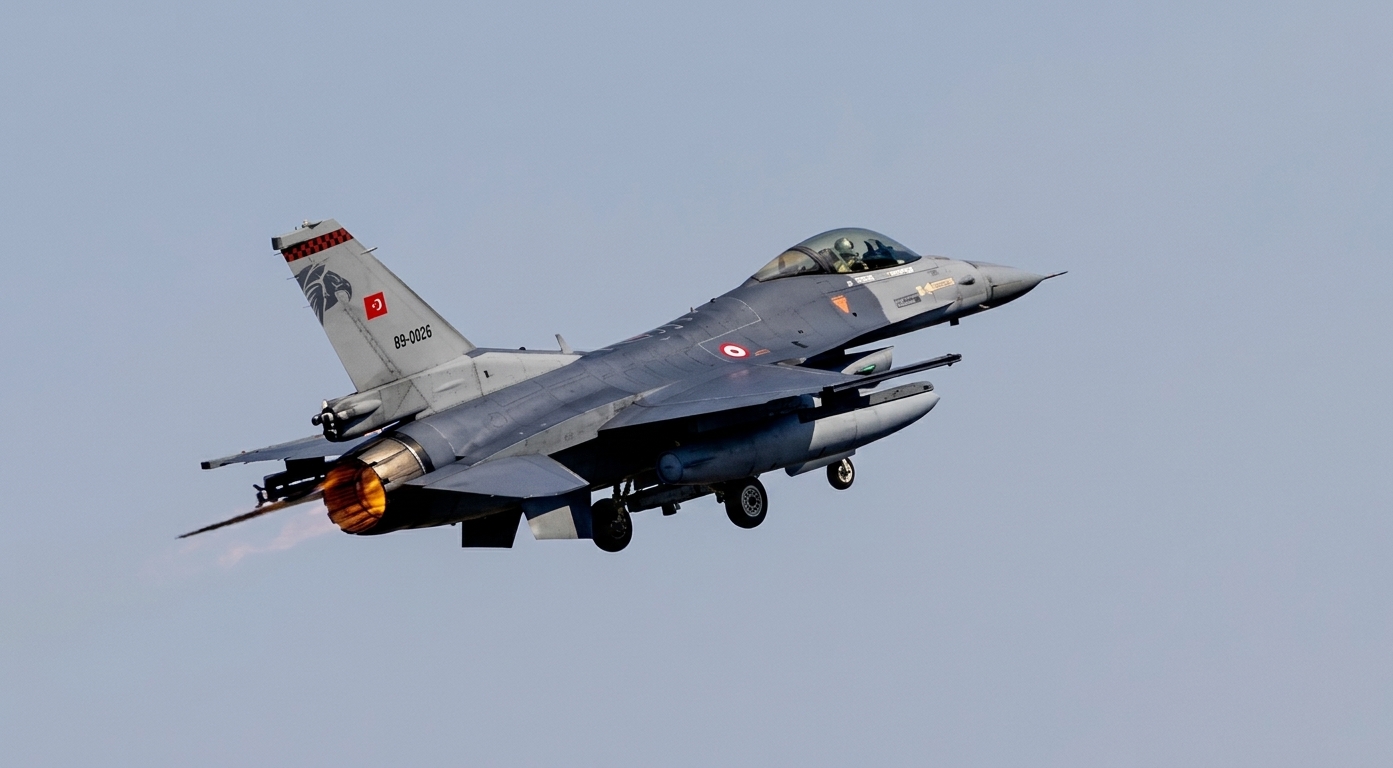
One of the central questions being asked is whether Turkish F-16 multi-role fighter jets deployed to Somalia could be utilized in the Beledweyne crisis, and what impact such a military intervention would have on the city.
Turkish F-16 combat aircraft reportedly arrived in Somalia in early 2026, with Somali government officials confirming their deployment.
These aircraft represent a key component of Turkish military airpower, designed to execute diverse mission profiles including close air support for ground forces and precision strike operations.
However, there is currently no official confirmation indicating that F-16 fighter jets have been authorized or slated to conduct operational sorties over Beledweyne.
The tension in Beledweyne stems from deep-seated political disputes in the Hiiraan region, specifically concerning the Hirshabelle regional administration, local elections, and regional political representation.
Regional politicians, traditional elders, and civil society groups have voiced divergent perspectives regarding the city’s status and the future governance of the region.
Reports of military movements and the influx of heavy weaponry in and around the city have further heightened anxieties that the political deadlock could deteriorate into open warfare.
Should F-16 combat aircraft be deployed for military operations in Beledweyne, the consequences would be multifaceted.
Chief among them is the risk of conflict spreading into urban zones, imperiling civilian lives, residential housing, commercial markets, and public infrastructure.
Aerial bombardments in densely populated municipal sectors carry an extreme risk of civilian casualties, injuries, and mass displacement, forcing local families to flee their homes in search of refuge.
Furthermore, internal military conflict threatens to derail ongoing counter-insurgency operations against Al-Shabaab.
The Hiiraan region remains a primary operational theater where federal forces and local community militias conduct joint offensives; internal fighting risks severing tactical cooperation between regular army units and clan defense forces.
Politically, resorting to military force during an active administrative and electoral crisis could further fracture relations between the Federal Government, the Hirshabelle regional administration, and local Hiiraan political figures.
Such an escalation would also raise sensitive international questions regarding Turkey’s military posture and bilateral defense agreements with Somalia.
It is imperative to maintain a strict operational distinction between counter-terrorism offensives against Al-Shabaab and internal political disputes.
If the Beledweyne impasse is fundamentally rooted in electoral models, regional representation, and power-sharing, resolving it requires an inclusive political settlement among all relevant stakeholders.
The civilian population of Beledweyne faces severe uncertainty regarding the city’s security outlook, highlighting the urgent necessity of preventing any armed confrontation that could cause catastrophic civilian harm.