

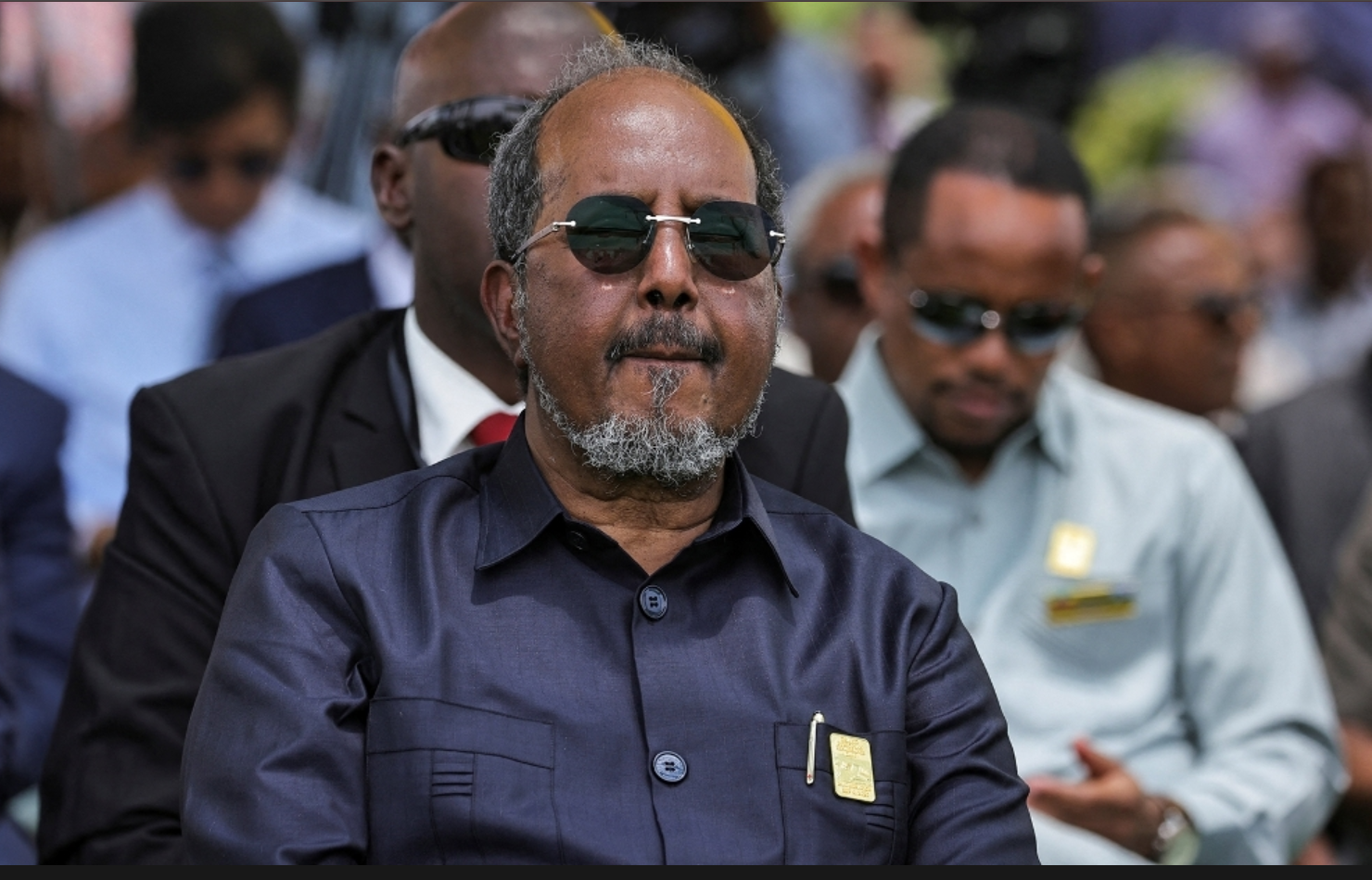

A new report published by Africa Intelligence has sparked fresh concerns about the security of Somalia’s state institutions after alleging that individuals linked to Al-Shabaab have been recruited into government agencies, including security bodies and immigration services.
The report, titled “Somalia President Mohamud’s Dangerous Game with Al-Shabaab,” claims that members of the militant group or individuals associated with it have been integrated into parts of the federal administration.
The publication linked the alleged development to Somalia’s complex political and security landscape, as well as growing tensions between the government and some international partners.
If accurate, the allegations would raise serious questions about the integrity of institutions responsible for national security, border management, and the protection of sensitive government data.
Somalia’s Immigration and Citizenship Agency plays a critical role in issuing passports, processing visas, managing border controls, and maintaining records of travelers entering and leaving the country.
The agency is regarded as one of the country’s most strategically important institutions because it handles sensitive personal information and oversees systems that are directly connected to national and international security.
Any suggestion that individuals with extremist links may have gained access to such systems is likely to generate concern among both Somali authorities and international partners.
The issue also carries broader implications for the credibility of Somali travel documents. The Somali passport is increasingly important as the country seeks greater international integration and mobility for its citizens.
Foreign governments, airlines, and border authorities rely on the integrity of Somalia’s document verification systems when assessing travel credentials.
Security experts note that weaknesses within immigration systems can create opportunities for fraud, identity manipulation, or unauthorized access to official documents.
For that reason, most countries maintain extensive background checks and vetting procedures for employees working in sensitive government departments.
The allegations could also affect confidence in Somalia’s electronic visa (eVisa) system, which manages applications from foreign travelers seeking entry into the country.
The system contains sensitive personal and travel information and is considered a key component of Somalia’s efforts to modernize public services and facilitate international travel.
The report is likely to increase pressure on the Federal Government to clarify its recruitment and vetting procedures, particularly within security agencies and institutions responsible for immigration and border management.
Questions may also arise regarding the extent of background checks conducted on employees and whether any investigations have been carried out into potential extremist infiltration.
Beyond domestic concerns, the claims could have implications for Somalia’s international partnerships. Cooperation on immigration, intelligence-sharing, and counterterrorism often depends on trust in the security of state institutions.
Allegations of extremist infiltration, even if unproven, can raise concerns among foreign governments and international organizations that work closely with Somalia.
At the same time, analysts caution that allegations of links to Al-Shabaab are extremely serious and should be treated carefully.
Such claims can have significant political, professional, and personal consequences, making independent verification and credible evidence essential before conclusions are drawn.
Notably, the Africa Intelligence report stops short of claiming that Al-Shabaab has taken control of Somalia’s immigration system or security institutions.
Instead, it raises concerns about the possibility of infiltration and the risks that could result if individuals with extremist ties gain access to sensitive government positions.
The report comes at a time when Somalia continues to wage a long-running campaign against Al-Shabaab while simultaneously attempting to strengthen state institutions, improve governance, and expand international cooperation.
Concerns about infiltration are not new in Somalia’s security sector; over the years, both Somali and international officials have repeatedly warned that militant groups have sought to penetrate government institutions to gather intelligence, influence decision-making, and undermine state authority from within.
As debate over the report continues, attention is likely to focus on how the government responds to the allegations and whether additional safeguards, vetting procedures, or investigations will be introduced to reassure both the Somali public and international partners about the security of key state institutions.