

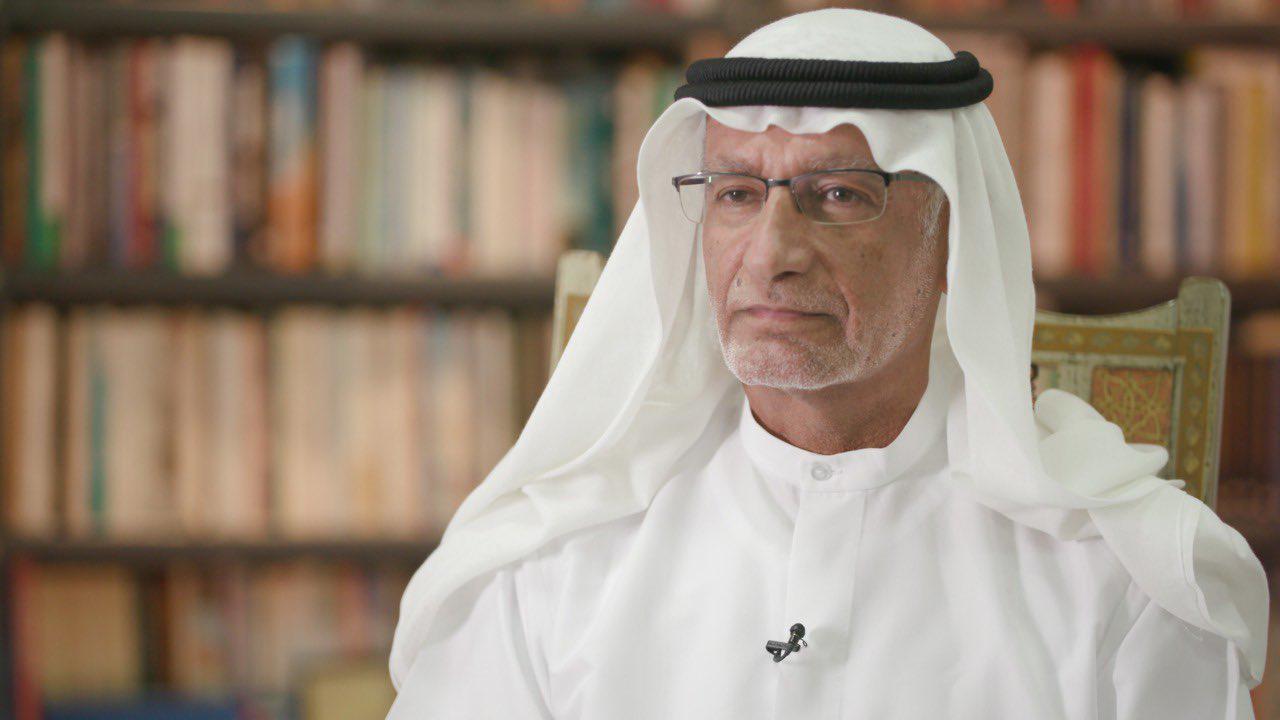

UAE-based academic and political analyst Prof. Abdulkhaliq Abdulla has made a sensitive claim amid escalating tensions between Somali President Hassan Sheikh Mohamud and the United Arab Emirates, alleging that Abu Dhabi previously covered the rent for the home occupied by the president’s family.
In a social media post, Prof. Abdulla accused Hassan Sheikh of overlooking the support he said the UAE had provided to Somalia and its government.
He cited assistance with training Somali security forces, strengthening their military capabilities and paying the salaries of some personnel.
The most striking part of his statement was the allegation that the UAE had also paid the rent for the residence of President Hassan Sheikh’s family.
Prof. Abdulla said his country was not seeking rewards or gratitude, but argued that the UAE’s past contributions to Somalia and its leadership should not be overlooked.
He questioned why the Somali president was now taking such a confrontational position against a country he said had previously supported his administration.
Among the forms of assistance he listed were training federal government forces, developing the capabilities of the Somali military, paying the salaries of some troops, providing financial support to the federal government and contributing to efforts to strengthen security and stability.
He also repeated his claim that the UAE had covered the rent for the president’s family home.
However, the allegation concerning the family’s housing costs has not been independently verified, and Somalia’s presidency has not issued a detailed response to the claim.
The remarks come as diplomatic relations between Mogadishu and Abu Dhabi have deteriorated sharply following accusations by Hassan Sheikh that the UAE has interfered in Somalia’s internal affairs and undermined its sovereignty and territorial integrity.
Relations between the two countries have historically involved cooperation in security, economic development and diplomacy. The UAE has been among the countries providing financial and security assistance to Somalia’s government and armed forces.
However, the relationship entered a serious crisis in 2026 after the Somali government announced the cancellation of agreements with the UAE covering defence, security and economic cooperation.
In a televised address on November 17, 2026, Hassan Sheikh accused the UAE of interfering in Somalia’s domestic affairs and reaching agreements with Somaliland, Puntland and Jubaland without the approval of the federal government.
He also alleged that Abu Dhabi was supporting political and military actors whose activities threatened Somalia’s unity and independence.
The president defended the decision to terminate the agreements, arguing that protecting national sovereignty took precedence over maintaining any foreign partnership.
UAE officials have rejected the accusations and expressed dissatisfaction with Mogadishu’s position.
Anwar Gargash, diplomatic adviser to the UAE president, also criticised Hassan Sheikh’s remarks, saying the Emirates had stood alongside Somalia and its people during difficult periods.
Gargash questioned whether the Somali president was placing national interests ahead of his own political calculations and warned against allowing domestic disputes to develop into wider regional tensions.
The statements by Prof. Abdulla and Gargash reflect the growing criticism coming from UAE figures in response to the Somali government’s tougher stance towards Abu Dhabi.
The dispute has also raised broader questions about the relationship between foreign assistance and national sovereignty.
While the UAE points to its financial, military and development support for Somalia, Mogadishu maintains that external assistance does not give any foreign government the right to influence its domestic politics, security arrangements or decisions concerning strategic infrastructure.
The central question is whether past financial and security assistance should limit a government’s ability to challenge the policies of a foreign partner when it believes its national interests are at stake.
There are also questions over whether the dispute is driven primarily by concerns about Somalia’s sovereignty or forms part of a wider regional competition involving political influence and strategic interests.
The deterioration in relations could affect cooperation between the two countries in security, investment, economic development and infrastructure projects.
Somalia continues to rely on international assistance to combat Al-Shabaab, strengthen its national forces and support economic recovery, while the UAE maintains strategic interests in the Horn of Africa and the region’s important maritime routes.
