

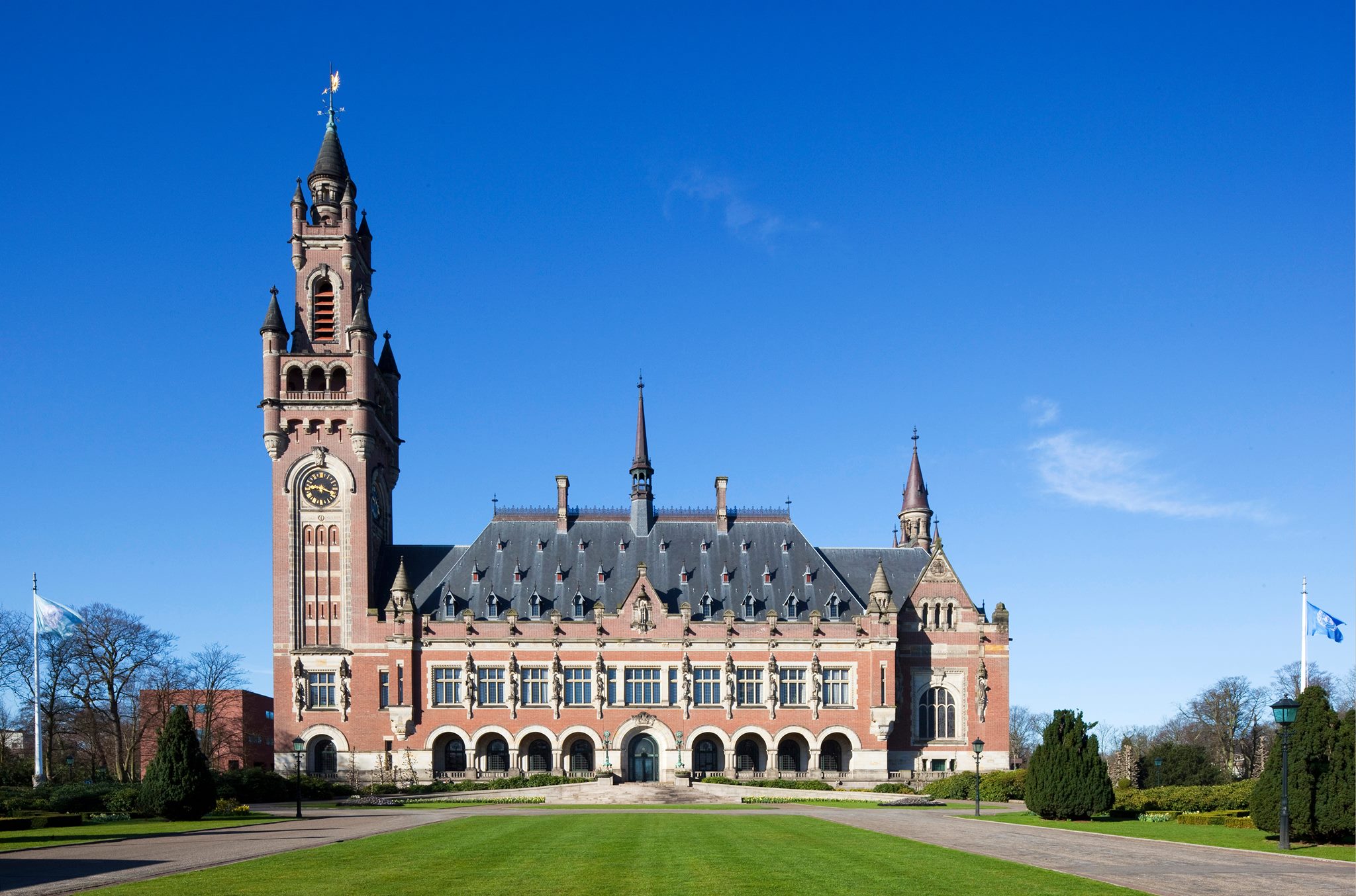

HAGUE, Netherlands (Kaab TV) – An international court has ruled that the UK does not owe Rwanda government compensation after the UK government scrapped a controversial asylum-seeker deportation scheme.
Rwanda was seeking more than £100m, claiming the UK breached the terms of their agreement. However, the Hague’s Permanent Court of Arbitration delivered the verdict on Monday and dismissed all of Rwanda’s claims.
Rwanda’s justice minister, Emmanuel Ugirashebuja, who is also the government attorney had argued the country incurred significant costs preparing for the partnership and was not even informed in advance of the cancellation — learning of it through the media.
A Rwandan government spokesperson said it respected the ruling but closed their statement noting that the legal issues involved “were complex and open to different legal conclusions.”
Background: what was the Rwanda deal?
The scheme was first announced in 2022 under prime minister Boris Johnson and later championed by prime minister Rishi Sunak as a deterrent to Channel crossings. The plan: asylum seekers who arrived in the UK “illegally” from a safe third country like France would be flown to Rwanda, where their claims would be processed.
If approved, they could gain refugee status and remain in Rwanda — not the UK.
The first scheduled flight was grounded minutes before take-off in 2022 after the European Court of Human Rights intervened, triggering years of costly legal battles.
The scheme was never successfully used to deport a single person. A separate voluntary removals programme offered rejected claimants up to £3,000 to go to Rwanda — only four took it up.
The Rwanda plan was conceived against a backdrop of record numbers of migrants making the dangerous crossing of the English Channel in small boats — a route that has become the primary illegal entry point into the UK from mainland Europe.
Tens of thousands attempt the crossing each year, placing pressure on the UK’s asylum system, which has faced severe backlogs in processing claims.
The Conservative government argued that the threat of removal to a third country would deter crossings.
Critics and refugee organisations said the scheme was unworkable, expensive, and cruel — with the UK Refugee Council saying it caused “chaos” by pausing decisions and leaving people stuck in the system.
The UK Refugee Council called for a “fair and functioning asylum system that makes quick, accurate decisions about who can stay and who must return” rather than costly offshore deterrence schemes.