

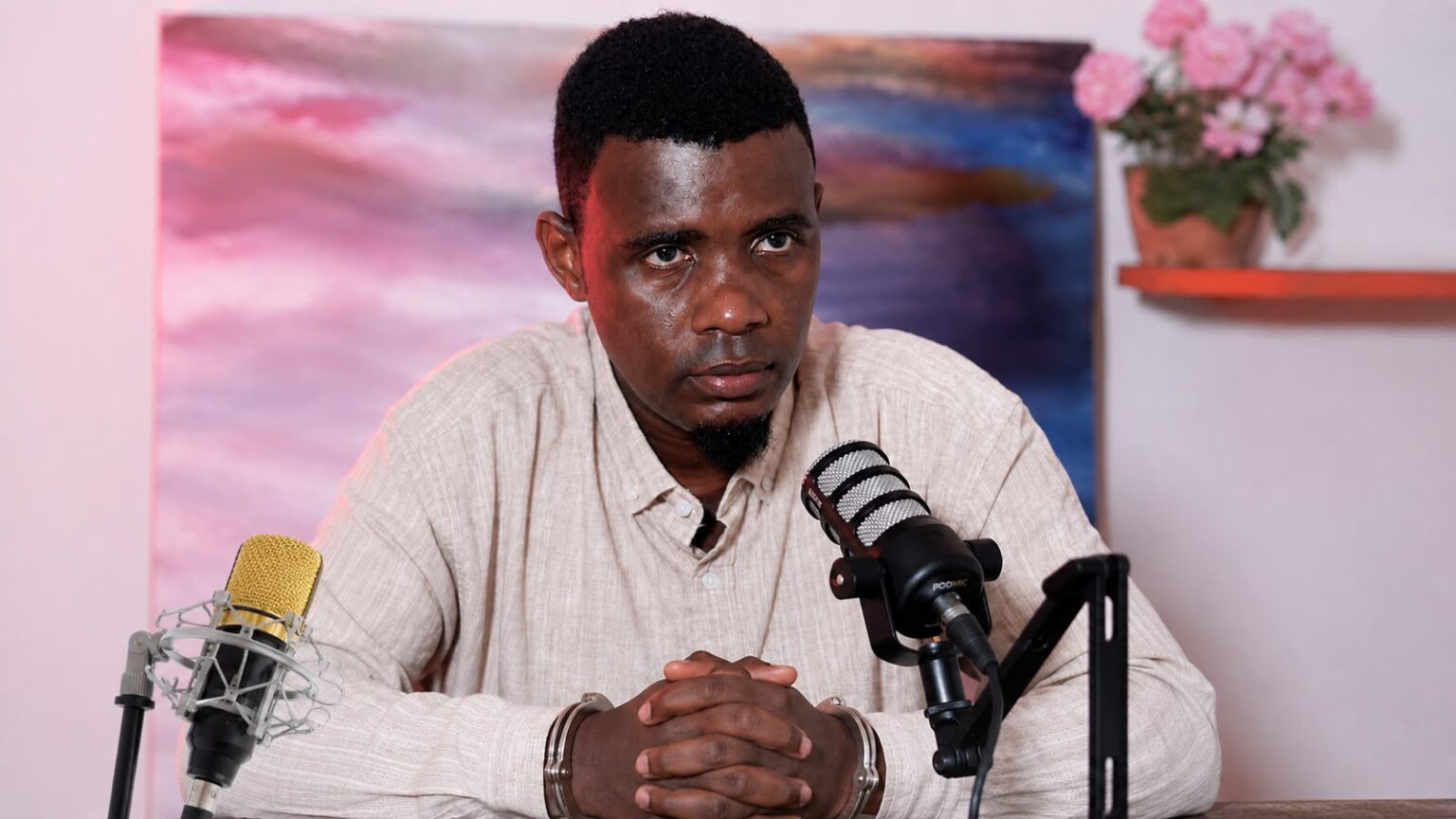

Masuud Warsame, the founder and director of Xogbile TV, was released from a detention facility in Mogadishu on Saturday, August 8, 2026, after spending approximately 40 days in the custody of Somalia’s National Intelligence and Security Agency (NISA).
His release came without any publicly announced formal charges, raising renewed concerns among journalists and press freedom advocates over the legal basis for his detention and the broader state of media freedom in Somalia.
Warsame was arrested by armed NISA officers on the night of June 30, 2026, near his office along Maka Al-Mukarama Road in Mogadishu.
According to his family and associates, he was taken to an undisclosed location, and his relatives were initially unable to establish his whereabouts.
NISA officials were reportedly said to have accused him of criticizing the new leadership of Somalia’s South West State shortly before his arrest, although authorities have not publicly disclosed a formal charge against him.
His detention attracted growing attention from journalists, media organizations and rights advocates, who questioned why a media professional could be held for such an extended period without being brought before a court or formally charged.
The case also emerged amid heightened political tensions in South West State following the election of Sheikh Aden Mohamed Nur Madobe as the region’s new leader.
Warsame, who is originally from Baidoa in South West State, was reportedly targeted during a politically sensitive period in the region.
His colleagues told the Somali Journalists Syndicate (SJS) that they believed his detention was connected to his journalism and criticism of the new administration rather than any criminal activity.
They also rejected suggestions that he was affiliated with competing political groups.
Local media reports had previously indicated that the Facebook page of the office of former South West State President Abdiaziz Hassan Mohamed Laftagareen had published information concerning the former leader before Warsame was detained.
His associates said they believed his reporting on the new administration may have contributed to the attention directed toward him.
SJS Raises Press Freedom Concerns
The Somali Journalists Syndicate had repeatedly called on NISA to disclose Warsame’s whereabouts, guarantee his safety and release him without conditions.
The organization described his detention as a serious attack on press freedom and a violation of his fundamental rights.
SJS Secretary-General Abdalle Mumin previously called for Warsame’s immediate release and urged authorities to ensure that he was not subjected to mistreatment while in custody.
The organization had also expressed concern over what it described as a broader pattern of intimidation and arrests targeting journalists working in Somalia.
Warsame’s detention came only weeks after Somali security forces arrested and allegedly assaulted three journalists in Mogadishu in May 2026.
The journalists were reportedly threatened over their coverage of planned demonstrations, adding to concerns about increasing pressure on media workers reporting on politically sensitive issues.
No Public Charges Announced
The circumstances surrounding Warsame’s detention remain unclear because neither NISA nor other government authorities have publicly presented a detailed legal justification for holding him for 40 days.
His release without publicly announced charges has therefore intensified questions about due process, judicial oversight and the legal safeguards available to journalists detained by security agencies.
The case also highlights the difficult environment faced by Somali journalists, particularly when reporting on political disputes involving federal and regional authorities.
While the government has repeatedly emphasized the importance of strengthening state institutions and the rule of law, journalists and press freedom groups have continued to call for greater protection of media workers and clearer procedures governing arrests and detention.
Somalia recorded at least 41 violations against media freedom between January and June 2025, according to figures cited by press freedom advocates, including arrests, attacks and legal cases involving journalists.
The figures have contributed to concerns that journalists continue to face significant risks while carrying out their work.
Broader Implications for Media Freedom
Warsame’s case has once again placed the relationship between Somalia’s security institutions and the independent media under scrutiny.
Holding a journalist for an extended period without publicly announcing charges can have consequences beyond the individual case, particularly if other journalists interpret such arrests as a warning against reporting critically on political or security matters.
The absence of a publicly stated legal basis for Warsame’s detention also leaves unanswered questions about whether proper judicial procedures were followed.
Press freedom organizations argue that journalists should not be detained simply because of their reporting or criticism of public officials, and that any allegations of criminal conduct should be addressed through transparent judicial proceedings.
His release is likely to ease some immediate concerns among his family and colleagues, but it does not resolve the wider questions raised by his detention.
Media organizations are expected to continue pressing the Somali authorities for greater transparency and accountability, particularly regarding the treatment of journalists by security agencies.
The case comes at a politically sensitive time for South West State, where tensions between rival political actors have increased in recent months.
Against this backdrop, the detention of a journalist originally from Baidoa and known for reporting on political developments has heightened concerns that media workers could become caught up in wider political disputes.
For Somalia’s media community, the central issue now extends beyond Warsame’s release: whether journalists can report on political developments, criticize government officials and investigate sensitive issues without facing arbitrary detention or intimidation.