

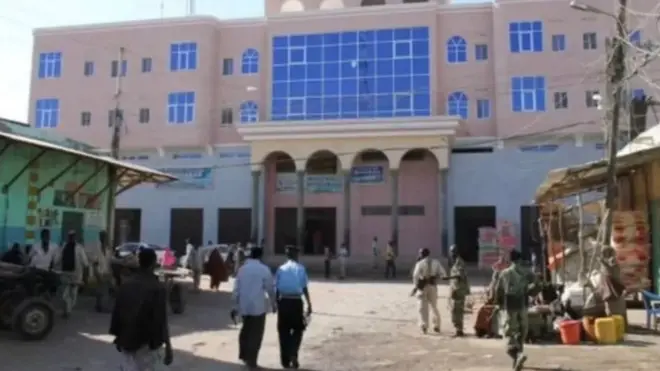

The United Nations has called for an immediate de-escalation of fighting in Baidoa, the capital of Somalia’s Bay region, warning that renewed violence is worsening an already fragile humanitarian situation, particularly for displaced families and other vulnerable communities.
George Conway, the UN Humanitarian Coordinator for Somalia, urged all parties involved in the conflict to exercise restraint, halt hostilities and take urgent measures to protect civilians.
He warned that continued clashes could further disrupt access to food, healthcare, shelter and other essential services for communities already struggling with displacement and food shortages.
Conway highlighted the heightened risks facing women, children, older people, persons with disabilities and internally displaced families.
Many of these groups face overlapping challenges, including insecurity, inadequate shelter, limited access to medical care and difficulties obtaining sufficient food and clean water.
He also stressed the need to protect civilian infrastructure and ensure humanitarian organisations can safely reach people in need.
Insecurity and restrictions on humanitarian access can prevent aid agencies from delivering food, medicines and emergency assistance to affected communities.
Médecins Sans Frontières (MSF), also known as Doctors Without Borders, reported that at least three people were killed and 69 injured during fighting on September 28.
The wounded were taken to Bay Regional Hospital in Baidoa, including five children, highlighting the impact of the violence on civilians.
MSF also reported damage to a health facility and the theft of an ambulance during the clashes. Such incidents can severely hamper emergency medical responses, making it harder to transport injured people to hospitals and provide timely treatment.
The protection of healthcare facilities, medical personnel and emergency vehicles is essential during armed conflict.
International humanitarian law provides protections for civilians and medical services and prohibits attacks on medical facilities entitled to protection under the law.
The UN has also warned that food insecurity in Baidoa could deteriorate sharply. An estimated 26,000 internally displaced people are at risk of catastrophic hunger between October and December, according to the warning cited in the report.
Displaced families are particularly vulnerable because many have lost their homes, livelihoods and reliable sources of food.
With numerous households dependent on humanitarian assistance, continued fighting could make it even more difficult for aid agencies to reach those requiring urgent support.
The humanitarian outlook is further complicated by the possibility of flooding and additional conflict.
Flooding can damage farmland, roads and livelihoods, while renewed violence may trigger further displacement, disrupt trade and reduce access to food and basic services.
If these pressures occur simultaneously, families already facing food shortages could experience even more severe hardship.
Humanitarian agencies have therefore stressed the importance of providing emergency food assistance, clean water, shelter and medical services to those most at risk.
The clashes in Baidoa are linked to a wider political and military dispute involving Somalia’s federal government, the South West State administration and supporters of its former president, Abdiaziz Hassan Mohamed Laftagareen.
The dispute centres on political competition and disagreements over the administration and future direction of South West State.
Repeated tensions have undermined security in Baidoa and surrounding areas, leaving residents uncertain about both their immediate safety and the region’s political future.
Although the parties hold competing positions on governance and the distribution of political power, the consequences of the fighting extend far beyond the political dispute.
Civilian casualties, displacement and interruptions to public services are placing additional pressure on families already facing difficult living conditions.
A lasting solution will require meaningful political dialogue and a willingness by the parties to avoid actions that could intensify the conflict. An end to the fighting would also help humanitarian organisations deliver assistance more safely and consistently.
Conway’s appeal comes amid broader concerns over Somalia’s humanitarian situation, where conflict, displacement and food insecurity continue to threaten vulnerable communities.
The situation in Baidoa illustrates how political and military confrontations can compound existing humanitarian emergencies.
The UN and humanitarian organisations are calling on all parties to protect civilians, safeguard medical facilities and other civilian infrastructure, and allow aid workers to carry out their duties safely.
Stopping the violence and ensuring unhindered humanitarian access are critical to preventing further suffering.
For Baidoa’s affected residents, the immediate priorities remain an end to hostilities, protection from harm and timely access to food, healthcare, shelter and other life-saving assistance.