

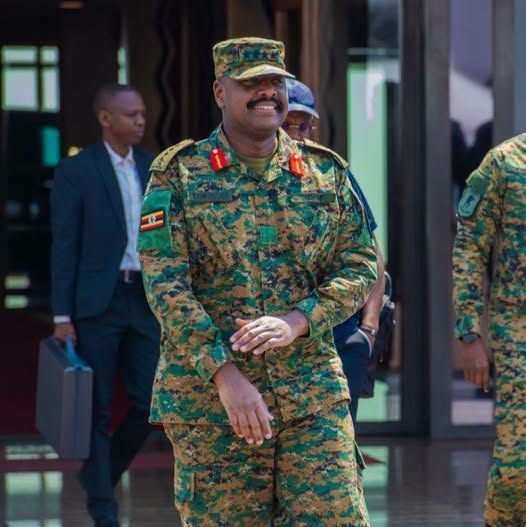

Uganda’s Chief of Defence Forces, General Muhoozi Kainerugaba, has announced that all Ugandan troops will be withdrawn from Somalia by August 1, 2027, a move that could mark a major turning point in Somalia’s security landscape and the future of the African Union mission in the country.
The announcement comes as Ugandan forces continue to play a central role in the African Union Support and Stabilization Mission in Somalia (AUSSOM), the successor to previous African Union peacekeeping operations that have supported the Somali government in its fight against Al-Shabaab.
If implemented as planned, the withdrawal would bring to an end nearly two decades of Uganda’s military presence in Somalia.
Uganda was the first country to deploy troops to Somalia under the African Union mission in 2007 and has remained one of the largest troop-contributing nations ever since.
Ugandan forces have participated in major operations against Al-Shabaab and have been deployed in key strategic areas, including Mogadishu and other regions where the group has maintained an insurgent presence.
Over the years, Ugandan troops have worked alongside the Somali National Army (SNA), federal member state forces, and other African Union contingents in efforts to reclaim territory from Al-Shabaab and strengthen security institutions.
Te mission has also suffered significant casualties, with Ugandan bases repeatedly targeted by militant attacks.
The planned withdrawal comes at a critical moment for Somalia, as the Federal Government continues efforts to expand, train, and equip its own security forces with the goal of gradually assuming full responsibility for national security.
AUSSOM was established as part of a broader transition strategy aimed at transferring security duties from international forces to Somali authorities.
Security analysts note that while Somalia has made progress in building its military capabilities, the departure of foreign troops could create challenges if Somali forces are not fully prepared to assume control of all areas currently secured by international contingents.
Al-Shabaab remains a potent threat and continues to carry out attacks across various parts of the country despite ongoing military operations.
The announcement is also likely to intensify discussions about the future of AUSSOM and the broader international security presence in Somalia.
Questions remain about how responsibilities currently carried out by Ugandan forces will be transferred and whether Somali forces will have the resources, logistics, and operational capacity needed to fill any potential security gaps.
Experts emphasize that a successful transition will require continued investment in training, leadership development, logistics, intelligence, and equipment for Somali security forces.
Close coordination between Somalia, Uganda, the African Union, and international partners will also be essential to ensure that any withdrawal does not undermine gains made in the fight against Al-Shabaab.
If the withdrawal proceeds according to General Muhoozi’s timeline, August 1, 2027, could become a landmark date in Somalia’s security transition.
Until then, Somali and African Union officials are expected to continue planning for the gradual handover of responsibilities, with a focus on ensuring that Somali forces are capable of independently maintaining security and stability across the country.