

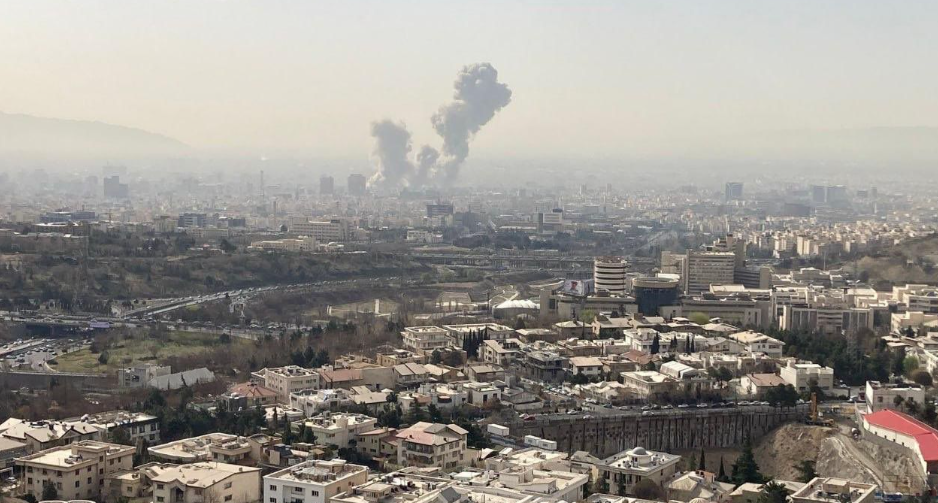

MOGADISHU (Kaab TV) – The United States has launched a new series of military strikes targeting Iranian military positions along the country’s southern coastline, saying the operation was carried out in response to attacks allegedly launched by Iran against commercial vessels transiting the strategic Strait of Hormuz.
According to the U.S. Central Command (CENTCOM), the strikes targeted missile storage facilities, drone depots, coastal surveillance installations, and military infrastructure believed to be used to support operations threatening international shipping in the Gulf.
Iran, meanwhile, announced that it had carried out retaliatory attacks against U.S. military installations in Kuwait and Bahrain. Initial reports indicate that air defense systems were activated in both countries after missiles or drones were detected. Authorities have not yet released confirmed information regarding casualties or damage, and investigations remain ongoing.
U.S. President Donald Trump warned that Washington is prepared to launch further military action if Iran continues targeting commercial shipping or American interests across the Middle East. He said the United States would act to protect freedom of navigation and regional security.
The renewed exchange of attacks has heightened fears of a broader regional conflict, particularly because the Strait of Hormuz remains one of the world’s most important maritime trade routes. Nearly one-fifth of global oil supplies pass through the narrow waterway, meaning any disruption could have major consequences for international energy markets and global shipping.
The latest escalation comes only days after diplomatic efforts briefly raised hopes of easing tensions. Earlier this week, the United States and Iran announced a new understanding aimed at reducing hostilities, with mediation and diplomatic support from several regional countries, including Qatar, Saudi Arabia, Pakistan, Egypt, and Turkey. The agreement was welcomed by several governments, including Somalia, which described it as a positive step toward dialogue and regional stability.
However, the understanding stopped short of being a comprehensive peace agreement. It did not fully address several of the core disputes between Washington and Tehran, including Iran’s missile program, military activities through regional allies, sanctions relief, maritime security in the Gulf, and the future of Iran’s nuclear activities. As a result, analysts warned that the arrangement remained fragile and vulnerable to collapse.
The latest military exchanges appear to have undermined those diplomatic gains. Security analysts say the continued cycle of attacks and retaliation demonstrates the lack of trust between the two sides and highlights the difficulty of sustaining peace without a broader, legally binding agreement that addresses the underlying causes of the conflict.
International observers have renewed calls for both governments to return to negotiations, warning that continued military escalation risks drawing additional regional powers into the conflict and could further threaten global trade, energy supplies, and stability across the Middle East.