

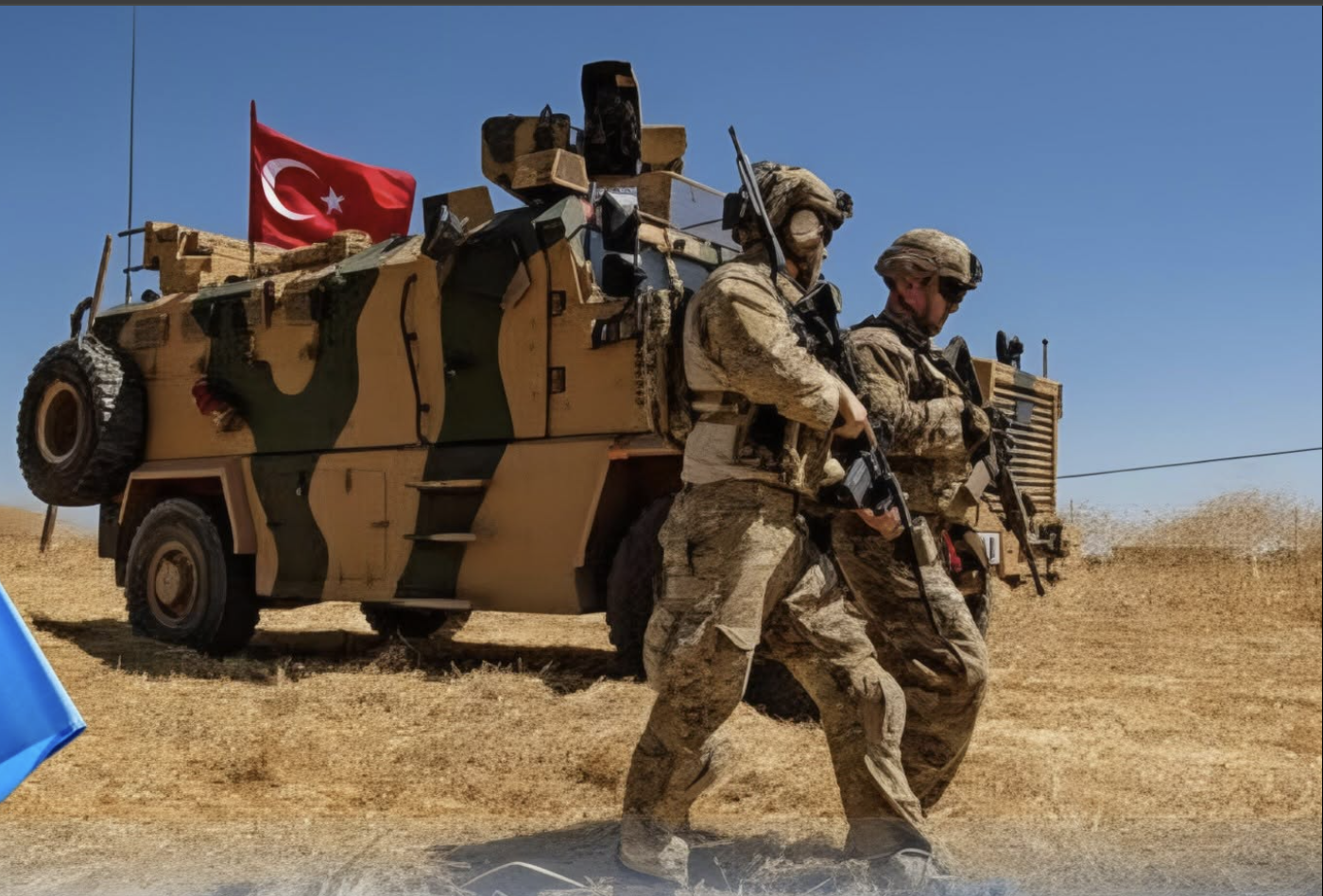

Turkey’s parliament has approved President Recep Tayyip Erdoğan’s request to extend the deployment of Turkish forces in Somalia for another two years, despite strong criticism from opposition lawmakers who questioned the risks facing Turkish troops, the lack of transparency surrounding bilateral agreements, and Ankara’s long-term objectives in the Horn of Africa.
During the parliamentary debate, members of the opposition raised concerns that Turkish soldiers stationed in Somalia could become increasingly vulnerable as fighting between Somali government forces and Al-Shabaab intensifies across southern and central Somalia.
Lawmakers also questioned why the deployment was extended for two years instead of being reviewed annually, arguing that the rapidly changing security environment in the region requires more frequent parliamentary oversight.
Namik Tan, an Istanbul MP from the opposition Republican People’s Party (CHP) and a former Turkish ambassador, said his party supports international peacekeeping and counterterrorism missions but objected to the way the government presented the motion.
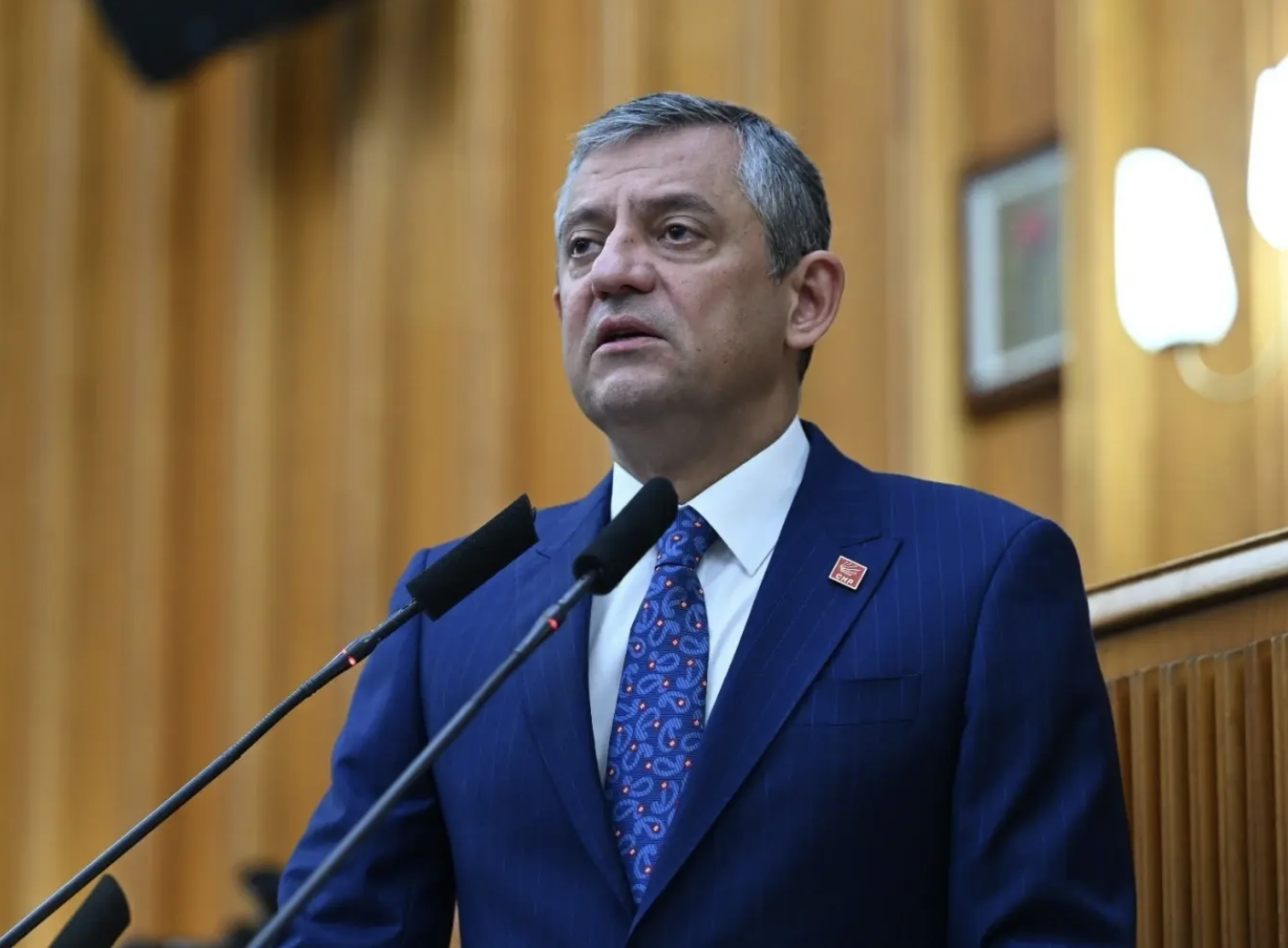
“You have brought before us a motion based on an agreement whose contents remain unknown, even though it was signed more than two and a half years ago,” Tan told parliament, criticizing the government’s refusal to disclose details of the security agreement between Turkey and Somalia.
Opposition lawmakers also pointed to evolving regional security challenges—including the conflict in Yemen, tensions involving Somalia, Somaliland and Ethiopia, as well as the continued threat of piracy—as reasons why parliament should reassess the mission every year instead of granting a two-year extension.
Turhan Çömez, a lawmaker from the opposition IYI Party, warned that escalating clashes between Al-Shabaab and Somali security forces could place Turkish personnel directly in harm’s way.
He cautioned against the possibility of Turkish troops becoming more deeply involved in frontline combat operations against the militant group.
Several lawmakers also questioned the strategic and economic benefits Turkey has gained from its military presence in Somalia.
They called on the government to clarify whether F-16 fighter jets and military helicopters would form part of the expanded deployment and demanded greater transparency regarding the mission’s objectives.
Sevilay Çelenk of the DEM Party said parliament had never been provided with official figures on the number of Turkish troops stationed in Somalia.
She argued that the deployment reflected an increasingly militarized foreign policy, insisting that lasting peace cannot be achieved through military power alone but through diplomacy, democratic governance and the fair distribution of resources.
Despite the objections, the Turkish parliament ultimately approved the government’s proposal, allowing Turkish forces to remain in Somalia for another two years under Article 92 of Turkey’s Constitution.
The extension comes amid growing criticism from sections of the Somali public following reports of Turkish drone strikes that allegedly killed civilians in parts of Lower Shabelle, Middle Shabelle and Bay regions.
Those incidents have fueled public debate over Turkey’s military role in Somalia and calls for greater accountability.
Some Somalis have also expressed concern over confidential agreements reportedly signed between Ankara and the Somali federal government involving natural resources, including offshore oil exploration, fisheries and military cooperation.
Opposition politicians and some federal member states have further accused Turkey of becoming increasingly involved in Somalia’s internal political disputes, alleging that Ankara has favored certain political actors during disputes in South West State, Puntland and tensions related to Somaliland.
Turkey has never officially disclosed the number of troops deployed in Somalia, describing the information as classified.
However, security analysts estimate that around 400 Turkish personnel were stationed in Somalia before 2025, with that figure reportedly increasing to approximately 800 troops in early 2025.
Turkey has steadily expanded its military presence in Somalia in recent years. In April 2026, Ankara reportedly deployed three F-16 fighter jets in addition to armed drones, saying the assets were intended to support counterterrorism operations against Al-Shabaab.
Turkey also operates its largest overseas military training facility in Mogadishu, where it has trained thousands of Somali soldiers as part of a long-standing defense partnership between the two countries.