

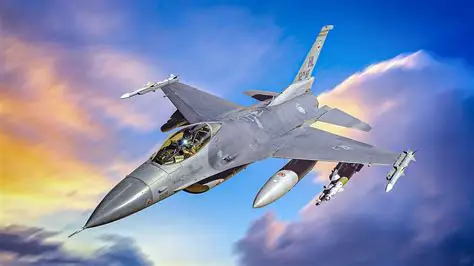

Turkey’s military involvement in Somalia has expanded significantly this year, with reports linking Turkish F-16 fighter jets to operations against Al-Shabaab as Somali government forces continue security offensives across several parts of the country.
One of the most widely reported incidents occurred on June 30, 2026, when Somalia’s Ministry of Defense announced that the Somali National Army and Turkish forces had jointly carried out airstrikes on Al-Shabaab positions in the Godey area of Lower Shabelle.
According to government statements, the strikes targeted militant positions, bunkers, and weapons storage sites, with reports claiming that dozens of Al-Shabaab fighters were killed. Some accounts put the death toll at around 35 militants.
The operation attracted particular attention because it was among the clearest instances in which Turkish F-16 fighter jets were publicly linked to combat operations inside Somalia.
According to reporting by Al-Monitor, an earlier statement from Somalia’s Ministry of Defense reportedly referred directly to Turkish F-16 aircraft, while a later version described the involvement of “international partners,” raising questions about how Ankara’s role was being publicly characterized.
Reports also emerged on August 31, 2026, alleging that Turkish F-16s conducted airstrikes near Basra in Middle Shabelle, where Somali government forces were engaged in fighting with Al-Shabaab. Those reports were based largely on local sources and have not been independently verified.
Taken together, these developments suggest that Turkey’s role in Somalia may be extending beyond military training and advisory support, with multiple reports linking Turkish aircraft to direct air operations against Al-Shabaab.
Turkey has long been one of Somalia’s closest international partners. Ankara has invested heavily in military training, security cooperation, infrastructure projects, and humanitarian assistance.
It also operates one of its largest overseas military training facilities in Mogadishu, where thousands of Somali soldiers have received training.
A Bloomberg report published in January 2026 stated that Turkey had deployed F-16 fighter jets and attack helicopters to Somalia, a move linked to both intensified operations against Al-Shabaab and the protection of Turkish interests in the country.
The use of F-16s provides capabilities beyond those offered by drones. The aircraft can rapidly strike targets over long distances and support military operations with greater speed and firepower.
However, military analysts generally note that air power alone cannot determine the outcome of the conflict.
Ground operations, intelligence gathering, stabilization efforts, and the ability of Somali forces to hold recaptured territory remain essential to long-term security gains.
At the same time, international support for Somalia’s security sector is undergoing significant changes.
Discussions surrounding the future funding of AUSSOM and the planned reduction of UNSOS support have increased the importance of bilateral security partnerships such as the one between Somalia and Turkey.
Turkey’s military role has also become the subject of political controversy. Supporters of Southwest State politician Abdiaziz Laftagareen have alleged that Turkish F-16s were involved in airstrikes reported around Baidoa.
Those allegations have not been independently verified, and no publicly available evidence has conclusively identified the aircraft involved.
Similarly, following the September 3 attack in Doolow that injured General Mahad “Shub”, accusations emerged linking the incident to a Turkish F-16.
General Shub stated that he saw an aircraft before the explosions, while the Federal Government offered a different explanation, saying the blasts originated from within the building. Claims regarding Turkish aircraft involvement remain unverified.
As a result, it is important to distinguish between reported joint counterterrorism operations targeting Al-Shabaab—such as those in Lower Shabelle—and separate allegations concerning politically sensitive incidents in Baidoa and Doolow, which have not been independently confirmed.
These developments indicate that Somalia–Turkey security cooperation has entered a new phase.
While Turkey has long supported Somalia through military training and security assistance, the reported use of F-16 fighter jets represents a higher level of military engagement.
For Somalia, international military support remains crucial as government forces continue operations against Al-Shabaab.
For Turkey, the expanded role places Ankara under increasing scrutiny regarding its influence on Somalia’s security landscape and its broader involvement in the country’s political and strategic affairs, particularly at a time of heightened tensions between the Federal Government and some regional administrations.