

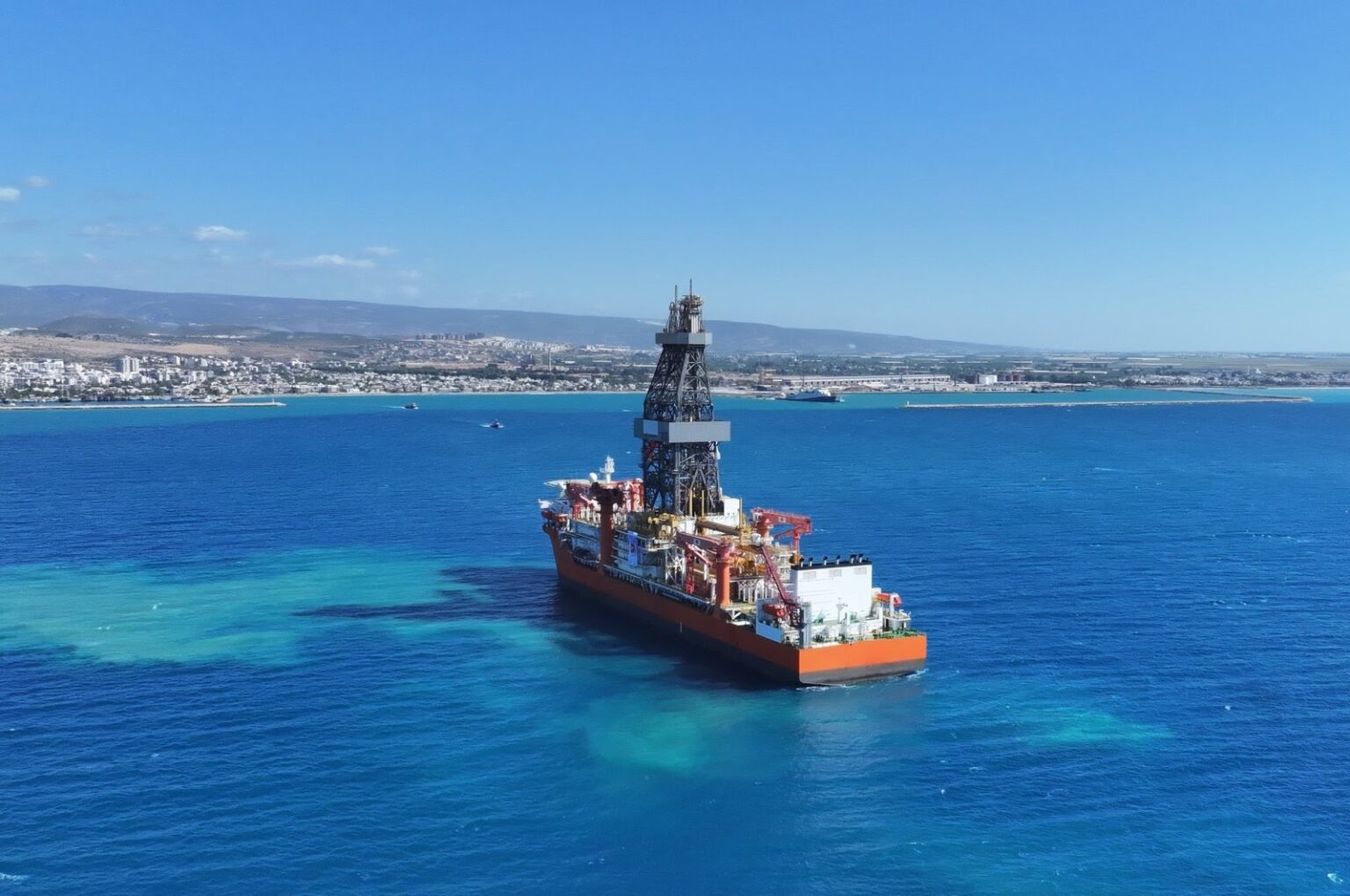

ANKARA (KAAB TV) – Turkey has taken a significant step forward in its pursuit of energy independence with the acquisition of two state-of-the-art deep-sea drilling vessels.
The announcement was made by Minister of Energy and Natural Resources, Alparslan Bayraktar, who confirmed that the newly acquired ships have arrived at the port of Taşucu in the southern province of Mersin.
According to Minister Bayraktar, the addition of these vessels brings Turkey’s fleet of offshore drilling ships to a total of six, positioning the country among the top four nations globally in terms of deep-sea drilling capacity.
Each of the new vessels measures 228 meters in length and 42 meters in width. They are capable of drilling at depths of up to 12,000 meters beneath the seabed, making them suitable for ultra-deepwater exploration.
Built in South Korea in 2024, these ships represent some of the most advanced maritime drilling technology available today. They are classified among the seventh-generation high-powered drillships, equipped with a helipad and living quarters capable of accommodating up to 200 personnel, allowing for long-term offshore operations.
The new additions will complement Turkey’s existing fleet, which includes the Fatih, Yavuz, Kanuni, and Abdülhamid Han drillships. These vessels are actively engaged in operations in the Sakarya Gas Field, located in the Black Sea.
The Sakarya field, discovered in 2020, is Turkey’s largest natural gas find to date, with estimated reserves of approximately 710 billion cubic meters. When fully operational, this field is expected to supply up to 30% of Turkey’s annual natural gas needs, significantly reducing the country’s reliance on energy imports.
In addition to domestic exploration efforts, Turkey is also extending its offshore energy interests internationally. The Oruç Reis, a seismic research vessel designed to map and analyze geological formations beneath the ocean floor, has recently returned from a successful international mission off the coast of Somalia.
During its mission, the Oruç Reis collected seismic data that reportedly indicates the presence of significant hydrocarbon deposits in Somalia’s offshore territory.
This development has already sparked interest among international energy companies seeking to invest in East Africa’s emerging oil and gas sector.
The data is currently being analyzed and could potentially lead to exploration licenses or partnerships between Turkey and Somali energy authorities in the near future.
The expansion of Turkey’s deep-sea drilling fleet and its active participation in international energy exploration underscore Ankara’s commitment to achieving greater energy autonomy.
Speaking on the matter, Minister Bayraktar emphasized that these developments not only bolster national energy security but also enhance Turkey’s geopolitical influence in regional energy markets.
“By investing in our own advanced drilling technology and expanding our operations both at home and abroad, we are taking critical steps toward securing our future energy needs,” Bayraktar stated.