


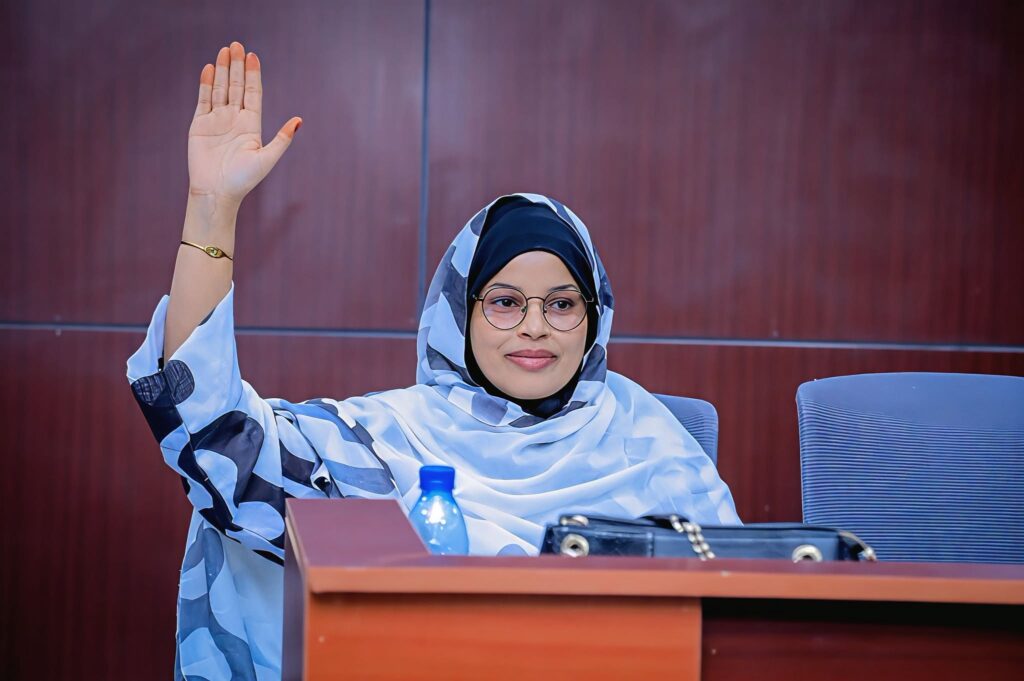


Fihiima Yusuf Quuje, a member of the North Eastern Somalia (NES) administration’s parliament based in Las Anod, announced on Friday that she had resigned from her seat in the Northeastern State Assembly, which she held as a representative of her clan since August last year after the regional state was established with Mogadishu backing.
Fihiima, who is currently in Addis Ababa, Ethiopia, announced on Facebook that she had “abandoned the idea of Soomaaliweyn [Greater Somalia]” and had returned to what she described as her “nation of Somaliland.”
“I, Fihiima Yusuf Abdullahi Quuje, hereby declare that I have left my position and membership in the North Eastern Somalia Parliament, where I represented my community,” she said in a statement.
“I also declare that I have abandoned the ideology of Soomaaliweyn and have returned to my nation of Somaliland. I will provide further details later,” she added.
Fihiima, a young female politician who was previously a vocal critic of Somaliland, said she had changed her political position.
She had earlier lived in Hargeisa and was involved in the Dhulbahante community’s resistance against Somaliland forces during the 2023 Las Anod conflict.
![Fihiima, who is currently in Addis Ababa, Ethiopia, announced on Facebook that she had “abandoned the idea of Soomaaliweyn [Greater Somalia]” and had returned to what she described as her “nation of Somaliland.”](https://en.kaabtv.com/wp-content/uploads/2026/07/Fihiima-Quuje-818x1024.png "Fihiima, who is currently in Addis Ababa, Ethiopia, announced on Facebook that she had “abandoned the idea of Soomaaliweyn [Greater Somalia]” and had returned to what she described as her “nation of Somaliland.”")

The city later came under the control of SSC-Khaatumo forces, which subsequently adopted the name North Eastern Somalia and was recognised by the Federal Government of Somalia as a federal member administration.
However, the political status of the region remains disputed, with both Somaliland and Puntland continuing to claim parts of Sool and Sanaag, while NES also considers the areas part of its territory.
Growing Rift with NES Leadership
Fihiima was appointed to the North Eastern Somalia parliament following the formation of the administration’s legislative council in August 2025, which was established through a clan-based representation system covering Sool and Sanaag.
In recent months, she had become increasingly critical of NES President Abdulkadir Ahmed Aw-Ali Firdhiye, accusing his administration of aligning too closely with the government of former Somali President Hassan Sheikh Mohamud.
Fihiima repeatedly criticised Firdhiye’s leadership through posts on her Facebook page, while Puntland and Somaliland have accused the Federal Government of Somalia of using the Las Anod administration to increase pressure against them.

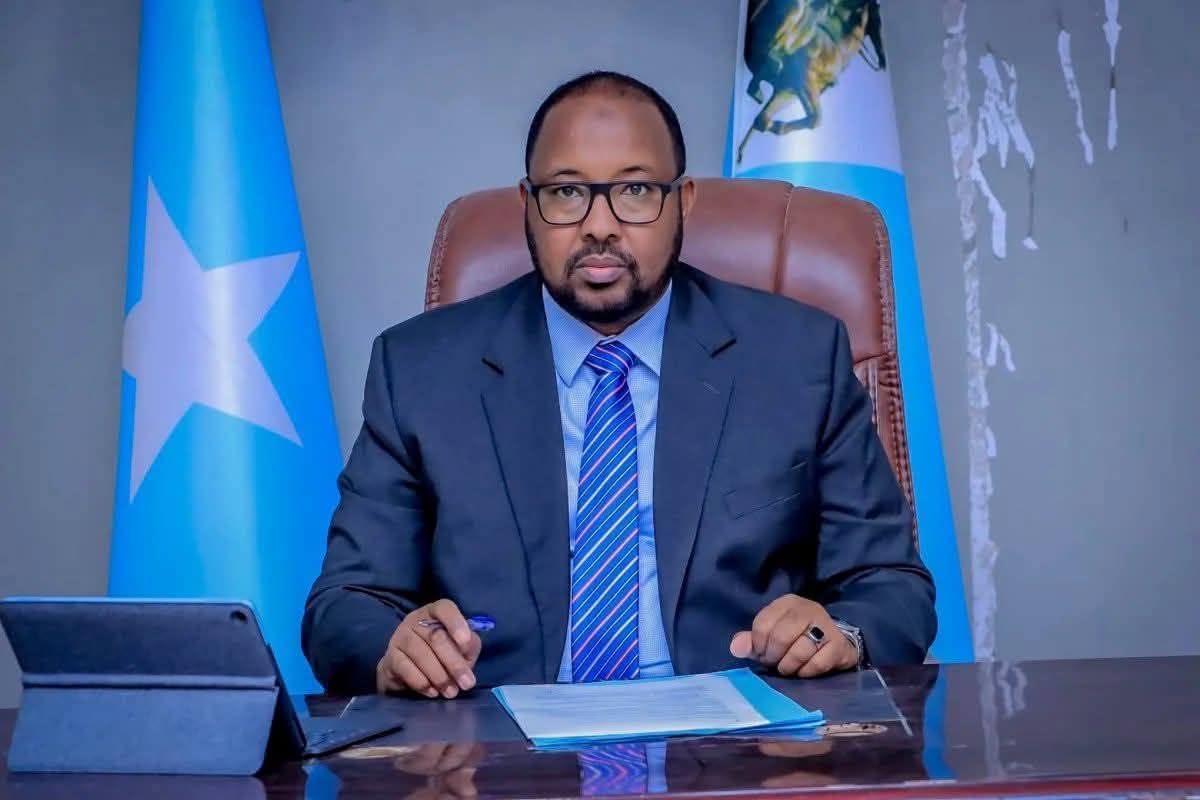
Her resignation comes amid growing frustration among NES officials over their relationship with Mogadishu.
Officials from the administration have complained that their region has been excluded from Somalia’s national budget allocations despite being recognised by the federal government as a federal member state.
They have also raised concerns that members of their security forces — many of whom are Dhulbahante fighters who took part in the 2023 conflict with Somaliland — have not received regular salaries from the federal government.
The lack of financial support and delayed payments have reportedly fuelled dissatisfaction among officials and communities in the region, with some questioning the benefits of remaining politically aligned with Mogadishu.
Possible Wider Political Realignment
Analysts say Fihiima Quuje’s resignation and decision to return to Somaliland could signal a broader political shift among some Dhulbahante politicians who previously supported SSC-Khaatumo and the North Eastern Somalia administration.
They suggest that growing frustration with Mogadishu could push other Dhulbahante political figures to reconsider their positions and seek renewed engagement with Somaliland.
A source close to Fihiima told Kaab TV that she is expected to travel to Hargeisa, Somaliland’s capital, in the coming days, where Somaliland officials are expected to welcome her.
Her move comes as the future political direction of North Eastern Somalia remains contested, with Somaliland, Puntland and the Federal Government of Somalia competing for influence over the strategically important Sool and Sanaag regions.