


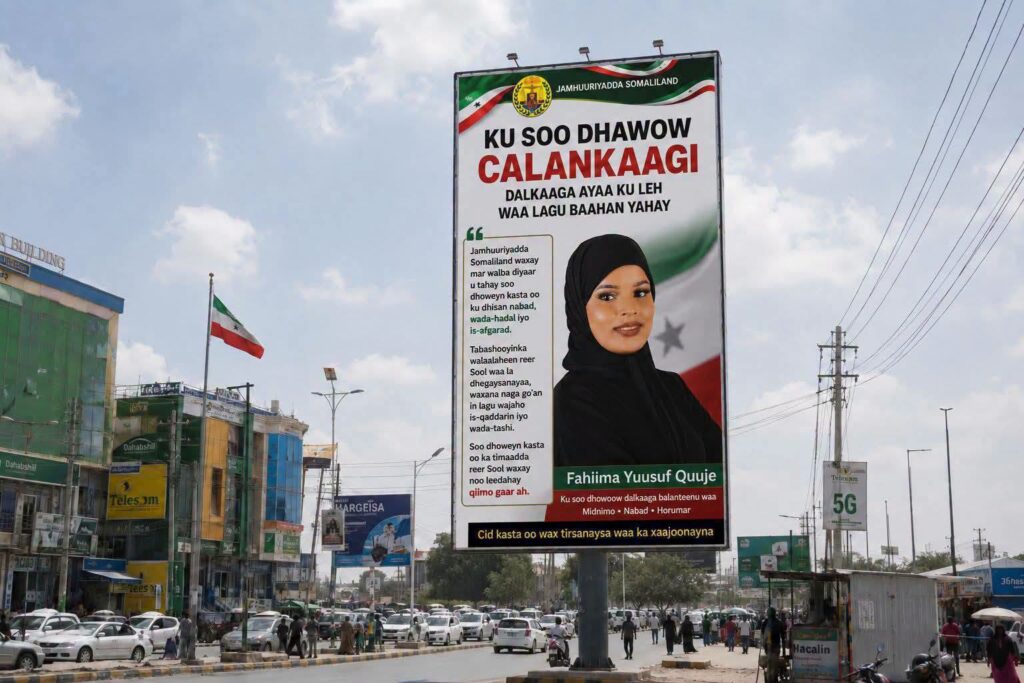


The recent developments involving Fahiima Quuje and Somaliland raise an important question: if individuals who were once deeply involved in conflict can reconcile or return, shouldn’t Somalis also find a way to move beyond the long-standing conflicts that have divided them?
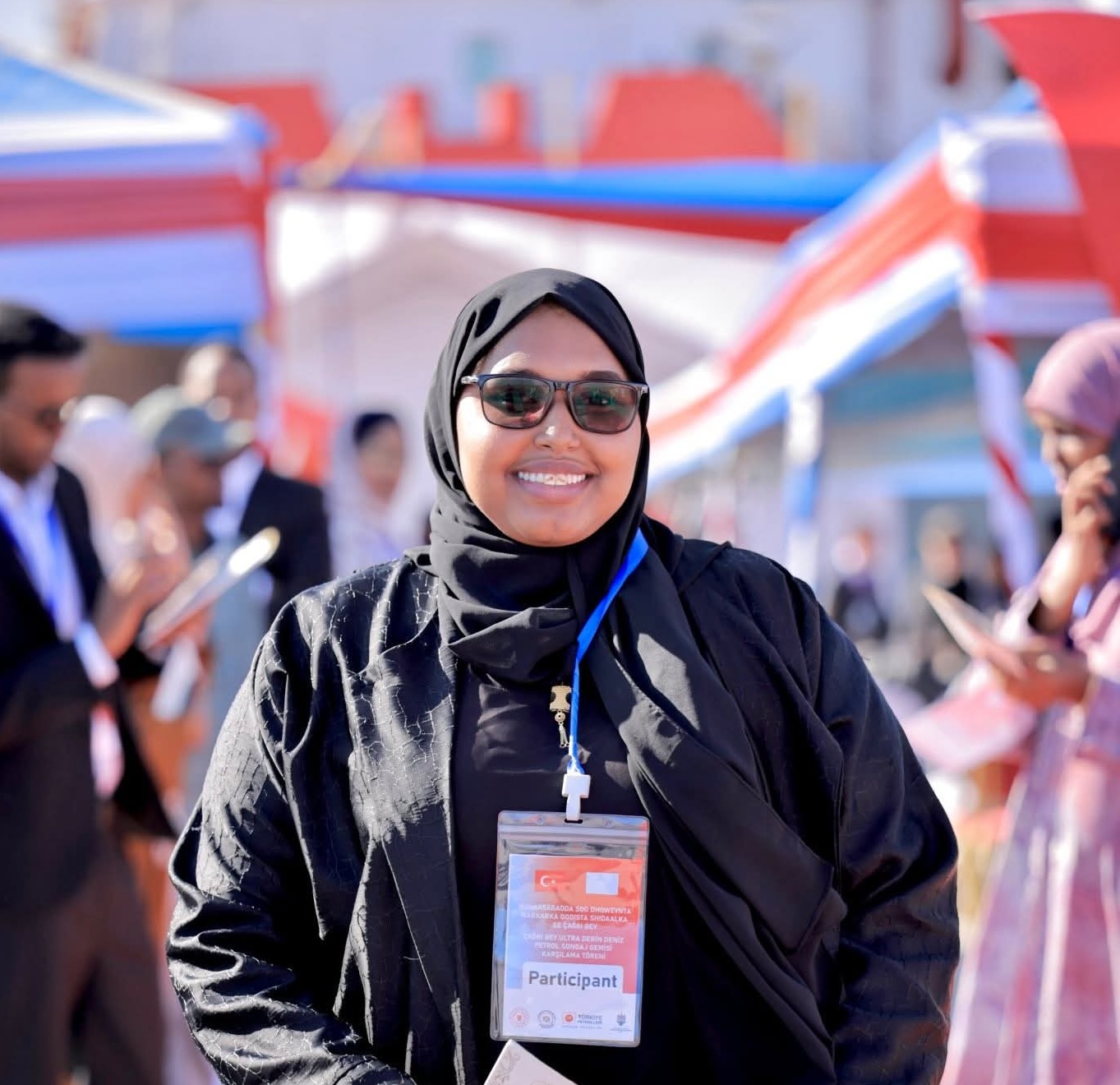
Fahiima Quuje was a prominent figure during the conflict between Somaliland and the SSC-Khaatumo (now North Eastern Somalia NES). She was a key driver for the Dhulbahante movement that opposed Somaliland and is said to have supported efforts, both financially and politically, to remove Somaliland’s control from areas where her family originates.
On the 17th of July, reports emerged that she had returned to Somaliland.
Fahiima resigned from her seat in the Northeastern State Assembly, which she held as a representative of her clan since August last year after the regional state was established with Mogadishu backing.
Two days later, she received a heroic welcome at Hargeisa Egal International Airport, where government officials queued to greet her. Perhaps that marked the end of the many months of campaigns fueled by animosity on both sides—the Somaliland side and the Las Anod side.
The main purpose of this article is to ask whether Somalis can also move beyond the civil conflicts that have caused immense human suffering and economic destruction.
The country has endured decades of internal warfare, resulting in countless deaths and devastating communities across Somalia.
The political struggle that initially led to the collapse of Somalia’s military government gradually evolved into clan-based conflict, the effects of which continue to be felt today.
In some parts of Somalia, homes have been burned, innocent civilians have been killed, and vulnerable groups, including women, children, and traditional elders, have often become the primary victims.

Somalis must also overcome clan bias, hatred
Communities have fought over water wells, and there have been reports of horrific acts of violence committed in the name of clan identity, including attacks on pregnant women.
Such incidents demonstrate the devastating consequences of hatred, division, and revenge.
Although Somalia’s clan-based political power-sharing system, commonly known as the 4.5 formula, may eventually give way to a multiparty political system, lasting peace requires more than institutional change.
Somalis must also overcome clan bias, hatred, and the culture of clan-based discrimination that has held the nation back for decades.
It is often ordinary citizens who suffer the most, while politicians from different clans frequently maintain working relationships and cooperate when pursuing political office.
This reality highlights the need to prioritize the welfare of the people over narrow clan interests.
The Somali media has a crucial role to play in promoting peace. Strong public awareness campaigns should reach even the most remote parts of the country, educating communities about the importance of peace, reconciliation, mutual respect, and peaceful coexistence.
Building a stable and united Somalia will require not only political reforms but also a collective commitment to healing divisions, rejecting clan hatred, and fostering national unity.
–
Khadija Gutale is a journalist and writer based in Mogadishu.