




A new report by Washington-based think tank Defense Priorities is urging the Trump administration not to recognize Somaliland and to withdraw all U.S. military forces from Somalia, arguing that more than two decades of counterterrorism operations have failed to advance American interests while strengthening the insurgent groups they were intended to defeat.
The report, authored by William Walldorf, a senior fellow at Defense Priorities, warns that continued U.S. involvement in Somalia’s conflict—including the possibility of recognizing Somaliland—could draw Washington into an expensive and unnecessary long-term commitment with little strategic benefit.
Counterterrorism Strategy “Has Not Worked”
According to the report, neither Al-Shabaab nor ISIS-Somalia poses a direct threat to the United States, describing both organizations as largely domestic insurgencies focused on local political objectives rather than global jihad.
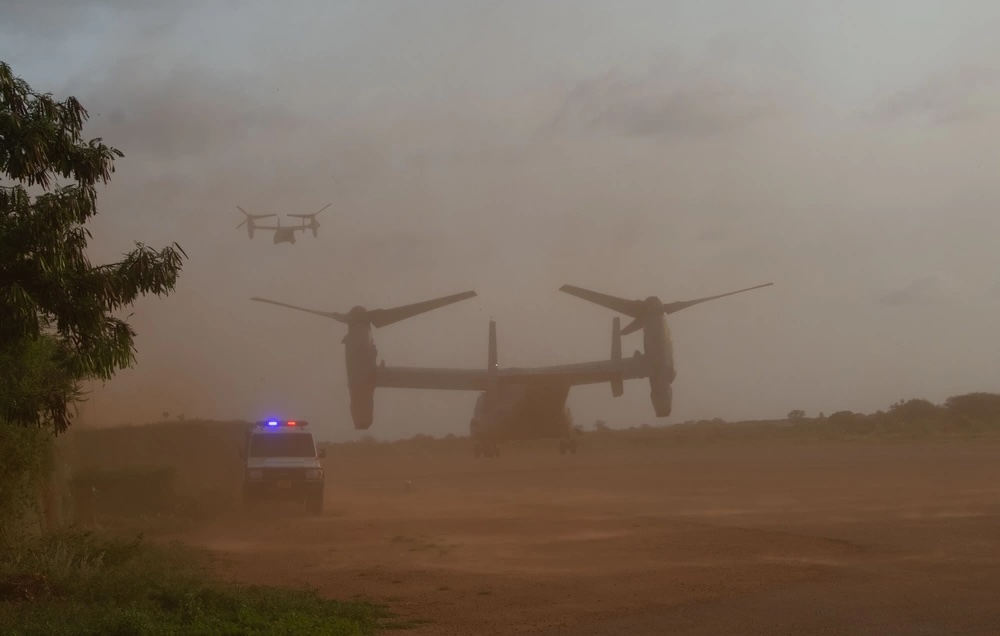
Walldorf argues that President Donald Trump has significantly expanded U.S. airstrikes in Somalia since February 2025, carrying out nearly four times as many strikes against Al-Shabaab and ISIS-Somalia as the Biden administration conducted during its four years in office.
Despite the increased military campaign, the report contends that the strategy has produced limited results.
Citing the U.S. Congressional Research Service, the report states that after more than 15 years of military operations, airstrikes have eliminated some high-value targets and supported partner forces, but Al-Shabaab continues to demonstrate the ability to conduct complex and deadly attacks.
Warning Against Recognizing Somaliland
The report strongly opposes U.S. recognition of Somaliland, arguing that such a move would provide little strategic benefit while increasing instability across the Horn of Africa.
According to Walldorf, recognition could strengthen Al-Shabaab’s recruitment by providing the group with a powerful nationalist narrative against foreign interference.
The report points to the controversial January 1, 2024 Memorandum of Understanding between Ethiopia and Somaliland, which granted Ethiopia proposed access to the Red Sea through Berbera Port in exchange for consideration of Somaliland’s independence.
Somalia declared the agreement illegal, while the Arab League also rejected it as a violation of Somalia’s sovereignty.
Defense Priorities argues that formal U.S. recognition could encourage other federal member states, including Puntland and Jubaland, to pursue greater autonomy or independence, further weakening Somalia’s federal system and creating new opportunities for extremist groups.
No Strategic Need for U.S. Bases
The report also dismisses arguments that Washington requires military bases in Somaliland to monitor developments in the Red Sea or Yemen.
It argues that Houthi threats to international shipping have declined since the Gaza ceasefire and maintains that the United States does not need permanent bases in Somaliland to safeguard its regional interests.
Walldorf warns that establishing military facilities and extending diplomatic recognition would increase pressure on Washington to defend those investments, potentially drawing the United States into future military conflicts and nation-building efforts.
“The United States could become entangled in new conflicts involving state-building in Somaliland and/or Somalia,” the report cautions.
Key Recommendations
Defense Priorities makes three principal recommendations to the Trump administration:
- Reject recognition of Somaliland, arguing that the costs outweigh any potential strategic gains.
2. Gradually withdraw all U.S. ground forces from Somalia and end the current air campaign, transferring security responsibilities to the Somali government and the African Union Support and Stabilization Mission in Somalia (AUSSOM).
3. Tighten White House oversight of AFRICOM-approved airstrikes to ensure military operations remain narrowly focused on core U.S. national security interests.
Questions Over AFRICOM’s Threat Assessments
The report also questions AFRICOM’s public assessment of terrorist threats in Somalia.
It notes that every AFRICOM statement announcing airstrikes against ISIS-Somalia since January 2025 has emphasized threats to the U.S. homeland, whereas only one such statement in 2024 contained similar language.
Defense Priorities cites former U.S. Defense Secretary Mark Esper, who previously suggested AFRICOM could overstate threats to justify maintaining military resources in Africa.
The report argues that heightened threat assessments may reflect an effort to discourage President Trump from reviving his earlier plans to reduce the U.S. military footprint on the African continent.