


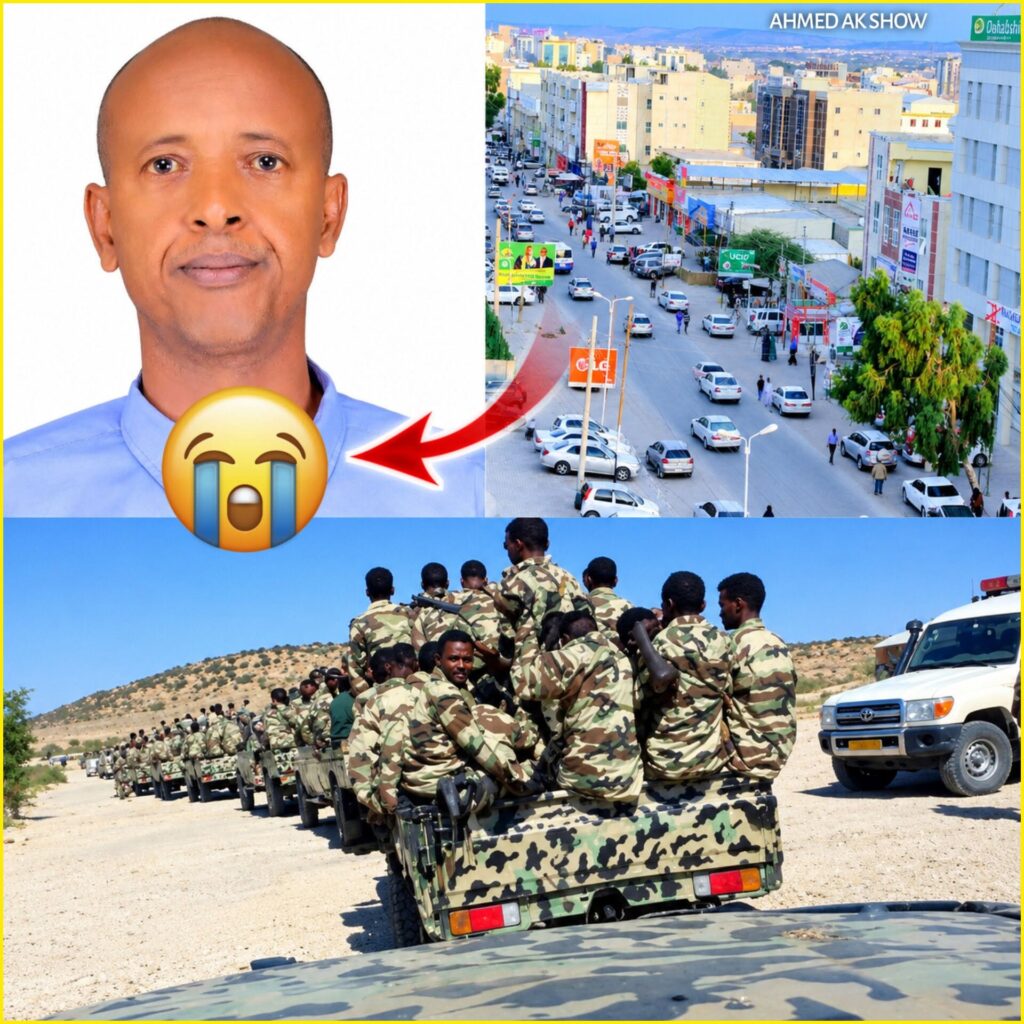


The killing of Ahmed Kaahin in Hargeisa has raised questions about the circumstances surrounding his death, with calls for a thorough investigation to establish what happened and identify those responsible.
Kaahin was reportedly killed on Wednesday night in Somaliland’s capital. Initial accounts suggested that the incident occurred during an attempted phone robbery, but questions have since emerged about the circumstances of the attack and whether other factors may have been involved.
The killing came a day after Kaahin reportedly spoke about recent clashes in Mooyaale, expressing support for local forces and Somali civilians affected by the fighting.
The border-area clashes, reported on October 23 and 24, resulted in casualties, injuries and displacement, according to accounts published at the time.
The timing of Kaahin’s remarks and his subsequent death has prompted speculation among some people about whether the two events could be connected. However, no verified evidence presented so far establishes a link between his public comments and the killing.
Unverified allegations have also circulated suggesting that Ethiopian intelligence operatives believed to be active in Hargeisa could have been involved.
These claims have not been independently substantiated, and no confirmed evidence has established the involvement of Ethiopian intelligence or any other state agency.
The reported robbery motive also requires clarification through an official investigation.
Establishing the sequence of events, examining available evidence and identifying any suspects would be essential to determining whether the killing was a criminal act or involved other circumstances.
Kaahin’s death comes amid heightened sensitivity surrounding the Mooyaale clashes and their wider implications for communities along the Ethiopia-Somalia border.
Developments in the area have drawn attention to security concerns and the potential for local tensions to have broader political consequences.
Authorities have not been reported as having publicly confirmed a definitive motive or identified those responsible for Kaahin’s killing. Calls for a transparent investigation are therefore likely to remain central to public discussion as more information emerges.
Until credible evidence becomes available, allegations about the motive and any possible involvement of intelligence agencies should be treated with caution.
A thorough investigation will be necessary to establish the facts and provide clarity for Kaahin’s family and the wider community.