

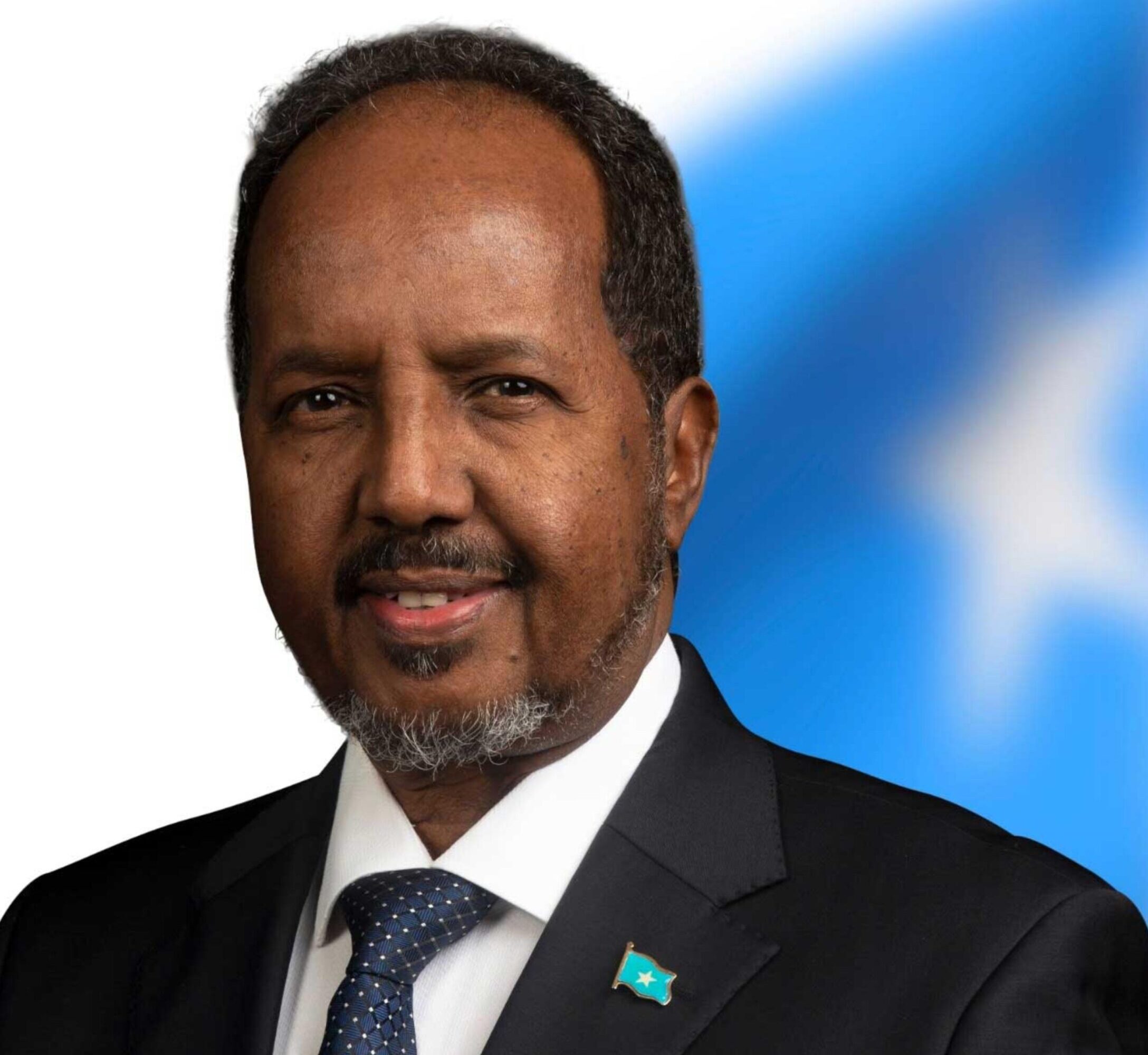

Somalia is facing an escalating political and constitutional crisis following a Supreme Court ruling on November 5, 2026, declaring that Hassan Sheikh Mohamud’s term had expired and calling on political leaders to agree on an electoral framework that would allow elections to be held within 90 days.
The ruling has opened a new chapter in the country’s political and legal dispute.
The Federal Government maintains that recently approved constitutional amendments provide a legal basis for the current institutions to remain in office until 2027, while opposition leaders insist that the Supreme Court’s decision must be respected.
If Hassan Sheikh refuses to leave office and rejects the court’s ruling, Somalia could face several possible scenarios, with consequences extending beyond its borders.
Neighbouring Kenya, the African Union (AU), the Intergovernmental Authority on Development (IGAD), the European Union (EU) and the United Nations could all become involved in diplomatic efforts to contain the crisis.
The Supreme Court ruling and the dispute over presidential tenure
The current standoff centres on competing interpretations of the Constitution, the terms of the president and parliament, and the legal authority of the country’s institutions.
In its November 5 decision, the Supreme Court stated that Hassan Sheikh’s presidential term had expired in May 2026, while the mandates of both houses of parliament had ended in April of the same year.
It also called for elections to be held within 90 days, following an agreement among political stakeholders on the electoral process.
The Attorney General rejected the ruling, questioning both the court’s jurisdiction and the legal procedures followed in handling the case.
The Federal Government has maintained that the constitutional amendments allow the existing institutions to continue functioning until 2027.
These opposing positions have created an unprecedented institutional dispute, with the country’s highest authorities divided over the legal basis for the continuation of the current administration.
If the president insists on remaining in office despite the Supreme Court’s declaration that his term has ended, the dispute could move beyond a legal disagreement and develop into a broader political and institutional confrontation.
The government and opposition could continue to dispute who has the legitimate authority to lead the country.
Without an agreement, negotiations over elections, appointments to public institutions and other major government decisions could become increasingly difficult.
Possible international pressure on the government
Somalia’s international partners could increase pressure on the Federal Government to resolve the dispute through dialogue, respect for constitutional institutions and an agreed electoral framework.
Such pressure could take the form of public statements, diplomatic meetings, mediation initiatives and appeals from regional and international organisations.
However, diplomatic pressure does not give foreign governments the authority to remove Somalia’s president or directly overturn decisions made by the country’s constitutional institutions.
Opposition leaders could also intensify their political activities through meetings, conferences and public statements calling for a new political arrangement.
If negotiations fail, tensions could deepen, raising the risk of political unrest and potentially armed confrontation.
A prolonged institutional dispute could also undermine public confidence in the judiciary, weaken cooperation between government bodies and strain relations between the Federal Government and federal member states.
What role could Kenya play?
Kenya is among Somalia’s closest neighbours and is a member of the East African Community (EAC), which Somalia joined in 2023. The two countries have important shared interests, including border security, trade, migration, counterterrorism and regional stability.
If Somalia’s constitutional crisis escalates, Nairobi could become involved in diplomatic efforts aimed at encouraging Somali political leaders to reach an agreement.
Kenya could support negotiations between the Federal Government and opposition groups, call for measures to protect Somalia’s stability and border security, and encourage the AU, IGAD and EAC to contribute to mediation efforts.
It could also advocate for a political and legal settlement that addresses the dispute over presidential tenure without destabilising the country.
However, Kenya has no authority to remove Somalia’s president or change decisions made by Somalia’s constitutional institutions.
There is also no confirmed official decision indicating that the Kenyan government intends to impose punitive measures on Hassan Sheikh if he refuses to comply with the Supreme Court ruling.
The African Union’s possible response
The African Union has a significant role in Somalia’s peace, security and state-building efforts. If the political dispute develops into a serious threat to national stability, the AU Peace and Security Council could discuss the situation and assess its implications.
The organisation could urge all sides to respect constitutional order and avoid actions that might trigger political unrest or armed confrontation. It could also support mediation involving neighbouring countries and other regional partners.
The AU’s response, however, would depend on its assessment of developments, the organisation’s governing frameworks and decisions taken by its relevant institutions.
Any intervention would therefore be subject to political and institutional considerations rather than automatic action against the president.
What could the UN, United States and European countries do?
The United Nations, the United States, the European Union and other international partners have considerable influence through diplomatic engagement, security assistance, economic support and programmes aimed at strengthening Somalia’s state institutions.
If the crisis continues, they could intensify calls for political dialogue, judicial independence and an electoral process accepted by the main political stakeholders.
Diplomatic meetings and mediation initiatives could also be organised to prevent the dispute from escalating.
Some governments could consider targeted sanctions against individuals or review aspects of their support to the administration, depending on the circumstances and the legal frameworks available to them.
However, there is no confirmed evidence that such measures have been formally approved in response to the current dispute.
The controversy surrounding the Supreme Court leadership has further complicated the situation.
On November 4, President Hassan Sheikh announced the dismissal of Chief Justice Dr Baashe Yuusuf Ahmed and appointed lawyer Ibrahim Iidle Suleiman as his replacement.
The Supreme Court rejected Baashe’s removal, describing it as unlawful. The dispute raised broader concerns about judicial independence and the limits of executive authority.
On November 12, independent United Nations human rights experts condemned the dismissal and called for Baashe to be reinstated, while urging the authorities to protect judges and safeguard judicial independence.
On November 14, the Somali Government issued an official response, arguing that Baashe’s removal had followed an interim procedure consistent with the country’s new constitutional framework.
It also reiterated that it did not recognise the Supreme Court’s ruling on the president’s tenure.
The developments demonstrate that the crisis is no longer confined to a dispute between the president and opposition leaders. It has expanded into a wider confrontation involving the country’s central institutions, particularly the executive and the judiciary.
Could the political crisis threaten Somalia’s security?
Somalia remains engaged in a prolonged campaign against Al-Shabaab, with government forces and their partners conducting military operations in several parts of the country.
A prolonged political confrontation could divert the attention and resources of senior government officials away from security operations and the fight against the militant group.
It could also weaken coordination between the Federal Government and federal member states, which remains essential for military planning, intelligence-sharing and counterterrorism efforts.
A recent report by The EastAfrican highlighted concerns that Somalia’s political divisions could complicate the country’s role within the EAC, while raising questions about the wider implications for national stability and regional security cooperation.
If the dispute continues without an agreed political settlement, relations between Mogadishu and some of its international partners could also become more difficult.
Nevertheless, a complete diplomatic isolation of Somalia is not an automatic consequence of the president rejecting the court’s decision.
International partners often maintain working relations with an incumbent government while simultaneously pressing it to resolve constitutional disputes and reach a political agreement.
The central issues likely to shape the international response will be Somalia’s ability to preserve stability, protect judicial independence, maintain political dialogue and establish a credible electoral process.
For now, the most immediate way to reduce tensions would be an inclusive political dialogue involving the Federal Government, opposition leaders, federal member states and other key stakeholders.
Without such an agreement, the constitutional dispute could deepen, placing additional pressure on Somalia’s political institutions, security arrangements and international relationships.