


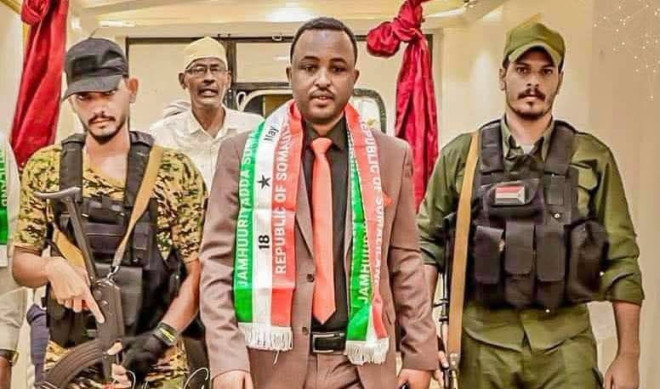


Yemeni authorities have deported Somaliland’s trade representative, Idris Aden Raage, after holding him in detention for more than two months in the southern port city of Aden, according to Yemeni sources and Somali media reports.
Raage was reportedly released from custody shortly before being placed on an Air Djibouti flight departing from Aden International Airport.
Yemeni authorities have not publicly disclosed the reasons for either his detention or deportation, and neither the Yemeni government nor Somaliland officials have issued an official statement on the case.
Security forces arrested Raage on June 13 after raiding Somaliland’s trade office in Aden’s Khormaksar district, where the office had been operating since relocating from Sana’a following Yemen’s prolonged civil conflict.
According to local reports, the arrest was linked to an event Raage organized on May 18 to commemorate Somaliland’s self-declared Independence Day.
Yemeni media reported that the gathering was held without official authorization and was attended by members of Yemen’s Southern Transitional Council (STC), the UAE-backed political and military group that controls much of southern Yemen.
A Somaliland lawmaker, Guled Mohamed Warsame, claimed Yemeni authorities also removed equipment and other property from the trade office while Raage was in detention.
He said the diplomat was deported immediately after his release, raising further questions about the future of Somaliland’s representation in Aden.
For years, Somaliland has maintained a trade office in Yemen to facilitate commercial ties and people-to-people relations across the Gulf of Aden, particularly in the livestock and maritime trade sectors that have historically linked the two sides. However, the office has never enjoyed formal diplomatic status.
Although Somaliland has sought to expand its international engagement through representative offices abroad since declaring independence from Somalia in 1991, it remains internationally unrecognized.
Yemen, like the United Nations, the African Union, and the overwhelming majority of the international community, recognizes the Federal Republic of Somalia’s sovereignty and territorial integrity and does not recognize Somaliland as an independent state.
The incident comes amid continued regional diplomatic sensitivities surrounding Somaliland’s international outreach, as the breakaway region continues seeking greater international recognition while Somalia maintains that Somaliland remains an integral part of its territory.