


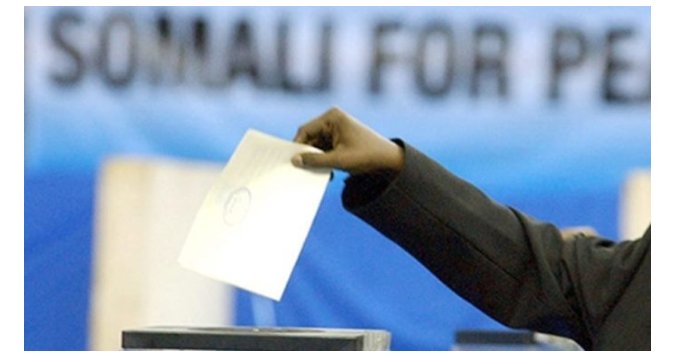


Mogadishu ( KAAB TV) – In a landmark move toward democratic governance, authorities have announced the resumption of voter registration ahead of the upcoming one-person, one-vote elections. The initiative marks a critical step in ensuring inclusive and representative political participation, particularly in regions emerging from restricted or transitional electoral systems.
The upcoming elections are set to be the first held under the principle of one-person, one-vote, a cornerstone of democratic societies that guarantees equal weight for each citizen’s ballot. After years of political restructuring, constitutional reform, or conflict, the decision to resume voter registration signals a renewed commitment to fair representation and electoral integrity.
Government officials, civil society leaders, and international observers have welcomed the move as a sign of progress.
“This marks a pivotal moment for our country,” said a senior official from the Electoral Commission. “We are laying the foundation for a transparent and inclusive electoral process where every voice truly matters.”
The voter registration process will be carried out in phases, beginning with urban centers before expanding to rural and remote areas. Mobile registration units, biometric verification systems, and digital databases will be used to ensure accuracy, prevent fraud, and increase accessibility.
Key aspects of the registration process include:
Eligibility Verification: Citizens will need to present valid identification documents, proof of residency, and meet the age requirement.
Digital Records: A central voter registry will be updated in real-time, ensuring transparency and reducing the risk of duplicate or fraudulent entries.
Outreach Programs: Targeted campaigns will be launched to encourage registration among youth, women, marginalized groups, and internally displaced persons.
Local community leaders, NGOs, and religious organizations will also play a vital role in raising awareness and facilitating registration, especially in hard-to-reach areas.
Despite the optimism, several logistical and political challenges remain. Infrastructure gaps, lack of public trust in institutions, and the risk of disenfranchisement for certain populations could hinder full participation. Observers stress the importance of neutral oversight and robust monitoring mechanisms.
International organizations such as the United Nations Development Programme (UNDP) and the African Union (AU) have pledged support in the form of technical assistance, funding, and independent observers to ensure compliance with democratic standards.
For many citizens, the return of one-person, one-vote elections represents a long-awaited opportunity to shape their future through the ballot box. Civil society organizations have already begun hosting forums, debates, and voter education workshops to inform the public about the electoral process and the power of their vote.
“For the first time in years, I feel like my vote will count,” said one first-time voter in the capital. “It gives me hope that change is possible.”
With voter registration underway, the next milestones will include the official announcement of the election date, publication of the voter roll, and the certification of candidates. Political parties are expected to begin campaigning soon, with an emphasis on transparency, issue-based platforms, and peaceful competition.
The coming months will be closely watched both domestically and internationally. If successful, the elections could serve as a model for other nations striving toward democratic reform and political inclusion.
The resumption of voter registration ahead of one-person, one-vote elections marks a significant turning point in the democratic journey of the nation. While challenges persist, the process is a crucial step toward restoring public trust, strengthening institutions, and empowering citizens to shape their governance through peaceful, participatory means.