

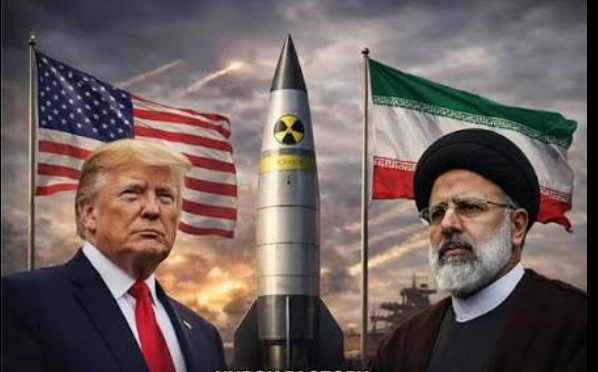

US-Iran nuclear and regional negotiations have stalled following the expiration of a 60-day diplomatic window that was intended to reduce tensions and create a path toward a broader agreement.
The two sides failed to reach a final deal, with major disagreements remaining over Iran’s nuclear program, sanctions relief and the status of the strategic Strait of Hormuz.
The latest breakdown has further raised tensions between Washington and Tehran, with both sides maintaining sharply different positions on the conditions required for a lasting agreement.
One of the biggest obstacles remains Iran’s uranium enrichment program. Washington is demanding that Tehran halt high-level uranium enrichment and transfer its existing enriched uranium stockpiles outside the country.
Iran has rejected those demands, arguing that it has the right to maintain a peaceful nuclear program under international agreements.
The dispute over the Strait of Hormuz has added another major complication to the negotiations.
Washington is insisting on unrestricted navigation through the vital waterway, while Tehran maintains that it has sovereign authority over its territorial waters and has linked access to broader concessions from the United States.
The strait is one of the world’s most important energy routes, carrying a significant portion of global oil and gas shipments. .
Any prolonged disruption could therefore have consequences for international energy markets, shipping costs and countries that depend heavily on energy imports.
Iran is also demanding the unfreezing of its economic assets and comprehensive relief from U.S. sanctions as a condition for any lasting agreement.
Tehran argues that sanctions relief must be part of any deal rather than being offered only after Iran makes further nuclear concessions.
President Donald Trump has rejected Iran’s latest counterproposal, describing it as unacceptable, while signaling that the U.S. military presence and naval blockade measures around the region will remain in place.
Trump has also called on Iran to choose peace while warning that Washington would maintain pressure if Tehran refused to meet U.S. demands.
The president previously indicated that his administration had communication channels with individuals linked to Iran’s Islamic Revolutionary Guard Corps (IRGC), although the IRGC denied that such negotiations were taking place.
Senior Iranian officials have indicated that Tehran is moving toward a tougher position following the collapse of the latest diplomatic effort.
Iranian officials have continued to reject demands that would significantly restrict the country’s enrichment capabilities without substantial guarantees on sanctions relief and economic access.
Despite the worsening rhetoric, diplomatic channels have not completely closed.
Regional mediators, including Pakistan, have continued efforts to maintain communication between Washington and Tehran and prevent the dispute from developing into a wider military confrontation.
The involvement of regional mediators could provide both sides with an avenue to exchange proposals without direct negotiations becoming immediately dependent on political concessions.
The failure of the 60-day diplomatic window has increased concerns that the confrontation could shift from negotiations toward greater military and economic pressure.
Iran has warned that it could take military action if diplomatic efforts fail, while the United States has maintained military readiness and economic pressure against Tehran.
A prolonged confrontation around the Strait of Hormuz would carry risks well beyond the United States and Iran.
Disruptions to shipping could push up energy prices, increase insurance costs for commercial vessels and place additional pressure on global supply chains.
For Iran, the central issue remains obtaining meaningful sanctions relief while preserving what it considers its sovereign right to nuclear development.
For Washington, the priority is preventing Iran from maintaining enrichment capabilities that could potentially bring it closer to developing nuclear weapons.
The two positions remain far apart, leaving the future of the negotiations uncertain.
While diplomatic channels through regional mediators remain open, the expiration of the 60-day framework without an agreement marks a significant setback and leaves the region facing renewed fears of escalation.