


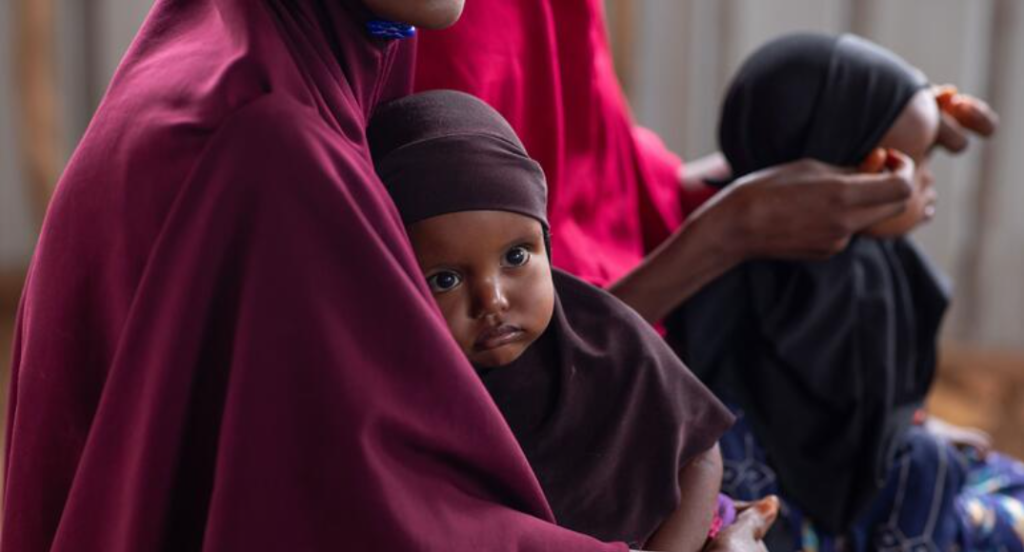


UNICEF has raised alarm over the renewed violence in Baidoa, reporting that children have been among those killed and injured and that a healthcare facility sustained damage during the latest clashes.
In a statement released Wednesday, the UN agency said the fighting was placing children at serious risk while further limiting their access to healthcare and other vital services.
The agency noted that the violence comes as many families in Baidoa are already dealing with displacement, shortages of food and severe levels of child malnutrition, leaving vulnerable communities at greater risk from the renewed insecurity.
UNICEF urged all parties involved in the conflict to take measures to protect children and prevent damage to schools and medical facilities. It also called for humanitarian organizations to be allowed safe and unrestricted access to people requiring assistance.
“Every child has the right to be safe, protected from violence, and able to access the services they need to survive and thrive,” UNICEF said.
The latest round of fighting erupted in Baidoa on September 28. The parties involved have provided differing accounts of how the confrontation began and the number of people killed.
Southwest State authorities claimed that more than 70 fighters were killed during the clashes, including what they described as foreign combatants.
Other accounts have cited different casualty figures, while local and medical sources reported deaths among civilians and security personnel, as well as dozens of injuries.
The violence has also disrupted medical services in the city, adding pressure to an already strained humanitarian environment.
The clashes are occurring against the backdrop of growing political and security tensions in Southwest State involving the Federal Government, the regional administration and forces loyal to former Southwest President Abdiaziz Hassan Mohamed Laftagareen.
The September 28 confrontation was reportedly the third major outbreak of violence in Baidoa within a period of six weeks, increasing concerns about civilian protection and the continued provision of essential services, particularly healthcare.