




MOGADISHU (Kaab TV) – The United States government has, for the first time, disclosed painful figures showing that 8,000 soldiers from the African Union forces have been killed or wounded during the 18-year conflict in Somalia.
Washington cited these shocking numbers to support its firm call for the development of a “realistic” strategy for the withdrawal of foreign troops from the country.
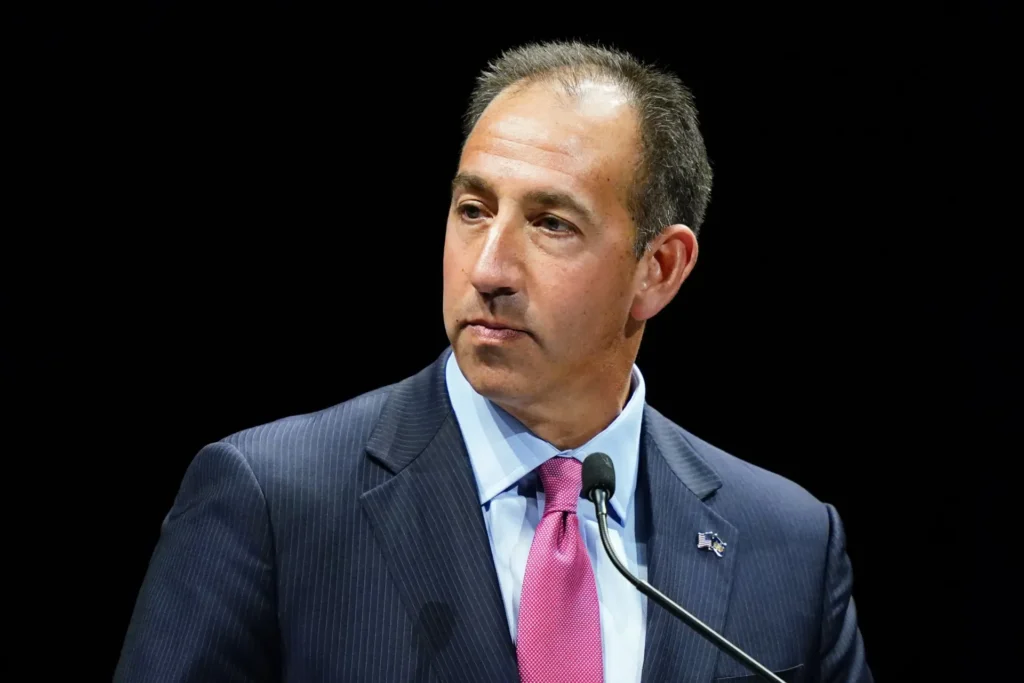
During a sensitive United Nations Security Council meeting to renew the mandate of the African Union Support and Stabilization Mission in Somalia (AUSSOM), the U.S. Representative for UN Management and Reform, Jeffrey Bartos, broke with traditional diplomatic caution by publicly presenting the official casualty figures suffered by troop-contributing countries.
“We acknowledge and remain mindful that 8,000 African soldiers have lost their lives or been wounded in the line of duty over the past 18 years,” Bartos said.
He stressed that despite the enormous human cost and the expenditure of billions of dollars, the transfer of security responsibilities to Somali forces still appears “elusive” and highly complex.
Although Washington supported the extension of the mission’s mandate, it signaled that its backing would not be indefinite.
Bartos explicitly called for the mission to adopt a credible and reliable “end-state” roadmap, marking the clearest indication yet that the United States wants to see an eventual conclusion to the decades-long operation.
The ambassador noted that the U.S. has provided nearly $1.6 billion in direct support to troop-contributing countries, in addition to another $2 billion in assessed contributions channeled through the UN Support Office in Somalia (UNSOS).
He argued for continued “efficient use of resources” and the establishment of clear performance benchmarks going forward.
The United States also sharply criticized Somalia’s internal political divisions, urging the Federal Government, Federal Member States, and clans to “unite” in order to address the country’s security challenges.
“The responsibility for fighting Al-Shabaab and ISIS must shift to those most directly concerned—Somalis themselves,” Bartos said, sending a direct message to Somali leaders to resolve the political disputes that have undermined military progress.
The U.S. expressed frustration that some Security Council members had used the mandate renewal process to introduce what it described as “distracting and divisive language, including on gender issues,” insisting that the focus should remain solely on concrete security outcomes.