




Turkey has confirmed that only nine African countries will remain eligible for its electronic visa (eVisa) programme in 2026, excluding citizens from most of the continent, including Somalia.
The decision means nationals from the majority of African countries will no longer have access to Turkey’s simplified online visa application system and will instead be required to apply through Turkish embassies or consulates.
According to Turkey’s official eVisa portal, citizens of the following nine African countries are eligible to apply for a Turkish eVisa:
- Algeria
- Cape Verde
- Egypt
- Equatorial Guinea
- Libya
- Mauritius
- Namibia
- Senegal
- South Africa
Somalia and other African countries not included on the list are not eligible for the online visa service and must follow traditional visa application procedures through Turkish diplomatic missions.
The Turkish eVisa system allows eligible travellers to complete the visa application process online without visiting an embassy or consulate.
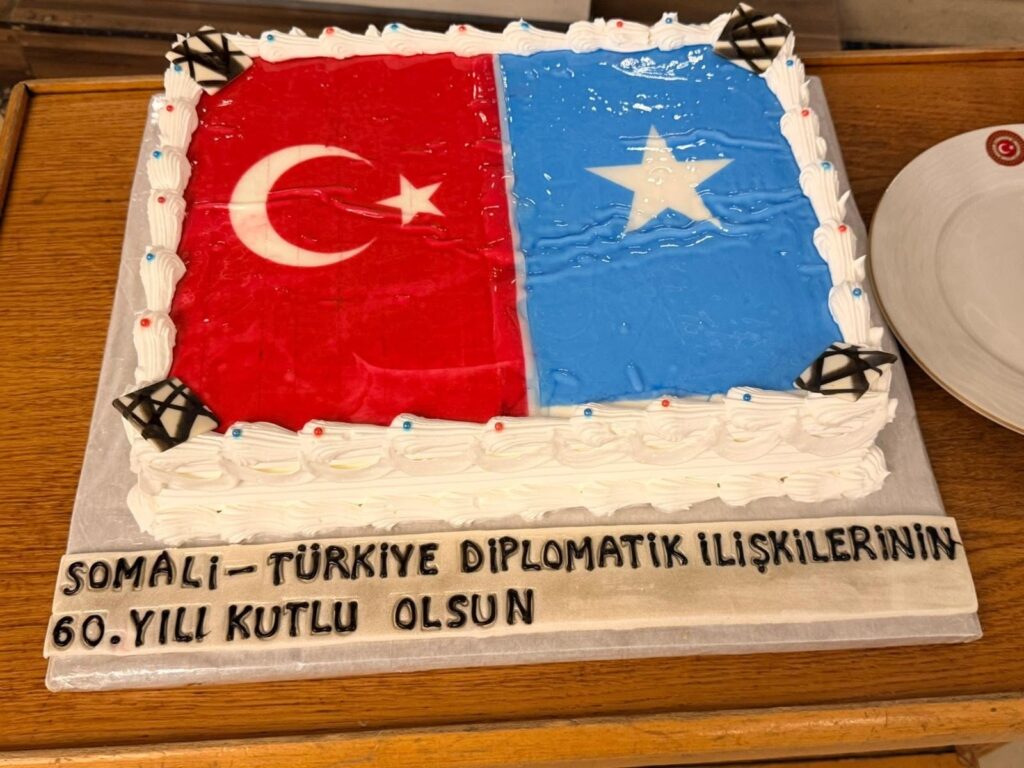
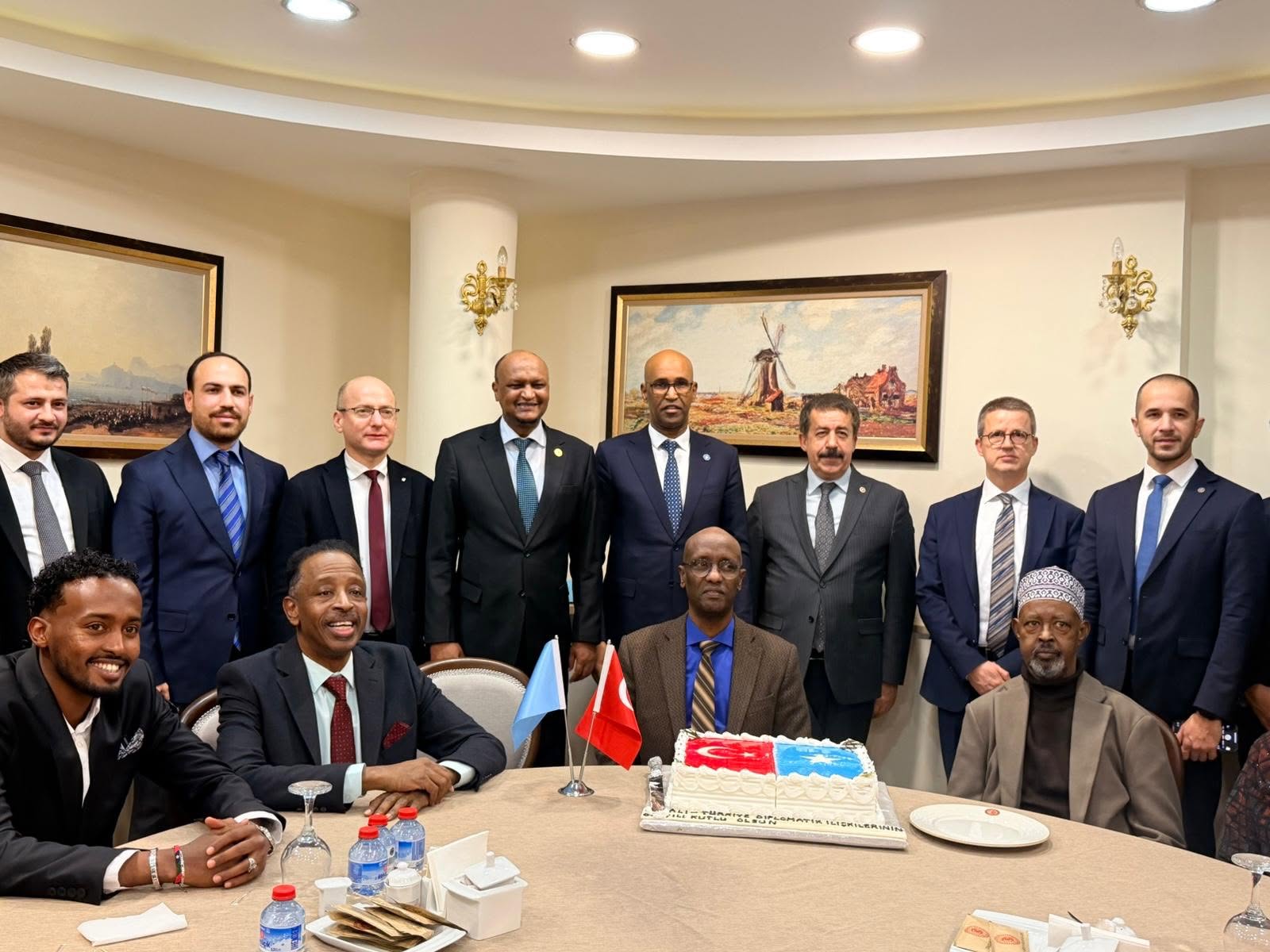
The decision comes almost six months after Somalia Embassy in Ankara celebrated the 60th years anniversary of Somalia-Turkey diplomatic relations.

However, eligibility does not automatically guarantee approval, as applicants must meet specific requirements depending on their nationality, travel purpose, and travel documents.
The eVisa is primarily designed for tourism and short-term visits, offering a faster and more convenient alternative to conventional visa applications for eligible travellers.
For nationals of countries excluded from the programme, applying for a Turkish visa generally involves submitting documents directly through a Turkish embassy or authorised visa centre, a process that can require additional time and paperwork.
Turkey has expanded its diplomatic and economic ties across Africa in recent years, but visa access remains a major issue for many African travellers seeking to visit the country for tourism, business, education, or transit purposes.
Growing Visa Restrictions Raise Concerns for Somali Travellers
Turkey’s decision to exclude Somalia from its electronic visa (eVisa) programme has added to growing concerns over the increasing difficulties faced by Somali passport holders seeking international travel.
Turkey has not publicly provided a specific explanation for why Somalia is not included among the African countries eligible for eVisa access.
However, visa policies are generally determined based on factors including migration patterns, security assessments, document reliability, diplomatic arrangements, and levels of cooperation on border control and the return of irregular migrants.
According to Turkey’s official eVisa system, Somali citizens are not eligible for an online Turkish eVisa and must instead apply through Turkish diplomatic missions using the traditional visa process.
Unlike citizens of countries such as Algeria, Egypt, Senegal, South Africa, Mauritius and Namibia, Somali travellers cannot complete the visa process entirely online, making applications more dependent on embassy procedures, supporting documents, and additional screening.
The exclusion comes amid wider international restrictions affecting Somali passport holders.
In June 2026, the European Union introduced temporary restrictions on visa procedures for Somali nationals, citing what it described as insufficient cooperation by Somalia in accepting the return of its citizens who are staying irregularly in EU countries.
Under the new measures, EU member states can no longer issue multiple-entry visas to Somali nationals, waive certain documentary requirements, or exempt holders of diplomatic and service passports from visa fees. The standard processing period for Somali visa applications has also been extended from 15 days to 45 days.
The EU said the measures are intended to encourage greater cooperation on readmission and will remain in place temporarily while progress is assessed.
Somalia’s passport remains among the most restricted travel documents globally, largely due to decades of conflict, weak institutional capacity, security concerns, and high levels of irregular migration from the country.
For many Somali citizens, these restrictions create additional barriers for business, education, tourism, family reunification, and international mobility.
The latest Turkish and EU visa developments highlight the continuing challenges faced by Somali travellers as global mobility becomes increasingly linked to migration control, security cooperation, and diplomatic relations.