

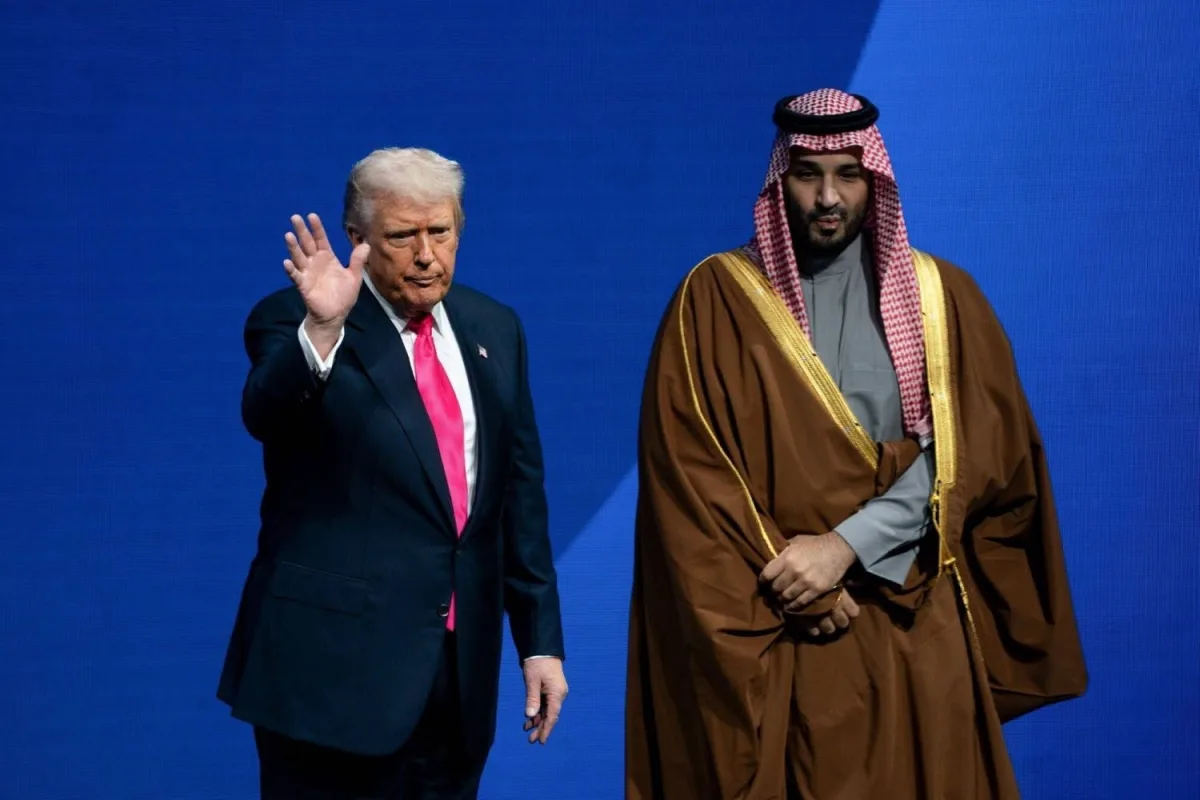

U.S. President Donald Trump reportedly decided at the last minute not to proceed with direct military strikes against Yemen’s Houthi movement, following weeks of deliberations over requests from Saudi Arabia for greater American involvement in efforts to counter the group.
According to a report by The New York Times, Trump reversed course despite military plans for the operation having already been prepared.
The report states that Saudi Crown Prince Mohammed bin Salman spoke directly with Trump on Thursday, urging Washington to avoid actions that could trigger a wider conflict in the Middle East and further increase global oil prices and living costs.
The report says Trump had met with his advisers a day earlier and was not initially in favor of launching strikes.
However, after his conversation with the Saudi Crown Prince, he reportedly instructed the Pentagon to prepare attack plans targeting Houthi-controlled areas in Yemen.
The planned operation was ultimately called off only minutes before it was scheduled to begin.
The development highlights the delicate balance Washington faces in responding to regional security threats while avoiding a broader escalation that could affect global energy markets and regional stability.
The U.S. government has previously stated that it provides Saudi Arabia with intelligence and targeting support but does not seek direct involvement in military operations against the Houthis.
The reported decision comes as the Houthis have intensified attacks against Saudi Arabia, including missile and drone strikes targeting Riyadh and key energy facilities.
The Houthis, who control large parts of northern Yemen, have remained a major factor in regional security dynamics, with their military activities drawing concern from Gulf states and international powers alike.
Any direct U.S. military action against the group could have significant implications for the wider Middle East and international shipping routes linked to the Red Sea.