


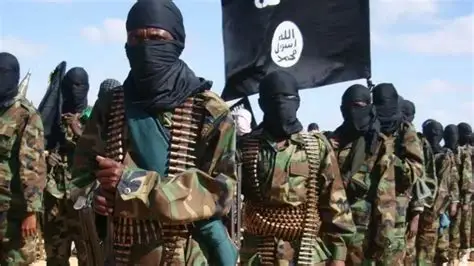


There has been a recurring debate regarding how Somali government leaders interact with critics of their policies, particularly when those individuals are accused of having ties to Al-Shabaab.
This issue has raised questions about freedom of expression, political rights, and how the law should be applied when a person is suspected of involvement in security offences.
Every government bears the responsibility of safeguarding national security and public safety.
In Somalia, which has been fighting Al-Shabaab for a long time, it is vital that security agencies thoroughly investigate any intelligence indicating that an individual or group is involved in terrorist activities.
However, safeguarding national security must be rooted in law and evidence, rather than political disputes or opinions differing from those of the government.
A person who criticizes the government, opposes its decisions, or supports the opposition cannot automatically be categorized as having ties to Al-Shabaab.
Political criticism and terrorist acts are two distinct matters.
An individual has the right to question the decisions of leaders, speak out about national challenges, and oppose policies they perceive as flawed, provided they act within the framework of the law.
The Provisional Constitution of Somalia recognizes freedom of speech, peaceful assembly, and political participation.
These rights are essential for the existence of statehood grounded in rule of law, accountability, and political competition.
Similarly, the law permits the government to take action against individuals suspected of criminal acts, but those measures must proceed through a fair legal process.
When a government official accuses someone of having ties to Al-Shabaab, that allegation alone does not constitute legal evidence.
It requires credible intelligence, an independent investigation, and a judicial process that affords the individual an opportunity to defend themselves.
If evidence demonstrates an individual’s involvement in terrorist acts, legal institutions can proceed through appropriate judicial channels.
Conversely, if such accusations are weaponized to silence opposition politicians, journalists, or critics of the government, they can erode public trust in state institutions.
They can also engender fear, discouraging citizens from engaging in discussions on national politics, security, and governance.
Another critical question is whether foreign governments and the international community can designate an individual as a member of Al-Shabaab solely because a Somali official level such an accusation.
The answer is no. Statement by a government official alone does not constitute an international determination designating a person or organization as affiliated with terrorism.
Relevant international bodies and foreign governments maintain independent legal procedures and evidentiary standards upon which they base their determinations.
It is also vital to distinguish between a political critic, a suspect under investigation, and an individual lawfully convicted of a criminal offense.
Political allegations, an ongoing investigation, and a judicial verdict are not synonymous.
Conflating them infringes upon individual rights and exacerbates existing political divisions in the country.
Somalia confronts severe security challenges, making it imperative for the government, opposition, and all political stakeholders to refrain from rhetoric that further polarizes society.
The government bears the duty to maintain security while respecting the constitutional rights of citizens.
Similarly, the opposition holds the responsibility to resolve political disputes through peaceful dialogue and lawful procedures.