


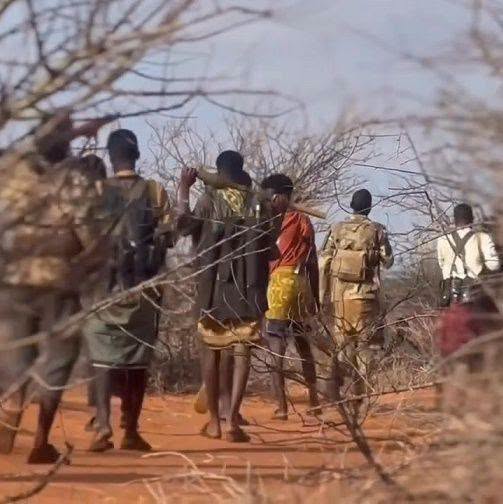


Fresh tensions have emerged in the Wardheer area of Hiran Region after a dispute over access to water reportedly triggered military mobilization and fears of renewed inter-clan violence along the border between Hiran and Galgaduud regions.
According to local sources, the latest standoff began after armed men reportedly from the Galgaduud side allegedly damaged water-carrying containers and equipment used to transport water to communities near Wardheer.
The incident sparked anger among residents and quickly led to reports of armed mobilization by groups from both sides of the regional boundary.
Wardheer lies in a sensitive area between Hirshabelle and Galmudug, a region that has witnessed recurring clashes in recent years.
The area has frequently experienced disputes linked to access to grazing land, water resources, territorial boundaries, and clan rivalries, issues that have occasionally escalated into armed confrontations.
Residents have expressed concern that the latest dispute could spiral into violence if immediate mediation efforts are not undertaken. Witnesses reported increased movement of armed men and the gathering of militia forces in surrounding areas, raising fears of a possible confrontation.
Water remains one of the most critical resources for communities living along the Hiran-Galgaduud border, particularly for pastoralist families who depend on wells and water distribution systems for both household use and livestock.
As a result, any disruption to water supplies often carries significant social and economic consequences and can quickly inflame existing tensions.
The incident comes amid a history of recurring local conflicts in central Somalia, where competition over scarce resources—especially during periods of drought and water shortages—has frequently fueled clashes between neighboring communities.
Traditional elders have often played a key role in preventing such disputes from escalating into wider violence.
Community leaders, elders, and local officials are now under growing pressure to intervene and facilitate dialogue between the opposing sides. Observers say swift mediation will be essential to preventing the situation from deteriorating further.
The administrations of Hirshabelle and Galmudug are also expected to closely monitor developments, as instability in the border area could affect local security, trade routes, and the movement of civilians between the two regions.
While no major fighting had been reported as of Saturday morning, the continued mobilization of armed groups has heightened concerns among local residents.
The situation remains tense, with attention focused on whether traditional leaders and regional authorities can defuse the crisis before it escalates into a broader conflict.