


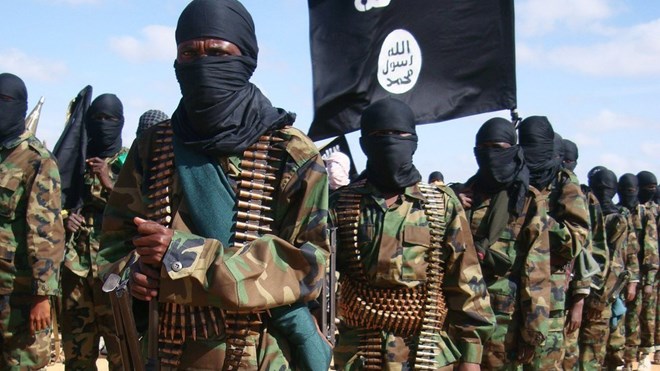


Garissa (KAAB TV) – Kenya’s elite Special Operations Group (SOG) under the National Police Service (NPS) foiled an Al-Shabaab terror plot in Garissa.
According to a statement issued by the National Counter Terrorism Centre (NCTC), the plot was disrupted following timely intelligence from the local community regarding eight militants who were assembling improvised explosive devices (IEDs) along the busy route between Welmerer and Yumbis in Garissa County.
Upon receiving the tip-off, the SOG mobilised immediately, engaged the suspects in a brief exchange of fire and succeeded in recovering fully assembled IEDs that were about to be deployed against civilians and security personnel.
The explosives were safely removed, and the intended terror plot was neutralised before any detonation occurred.
Security officials have publicly commended local residents for their alertness and cooperation, emphasising that the swift reporting of suspicious activity was instrumental in averting the attack.
The SOG reiterated that continued community-security collaboration remains a cornerstone of Kenya’s counter-terrorism strategy.
Garissa County, which lies close to the Kenya–Somalia border, has long been considered a hotspot for militant infiltration and attacks by Al-Shabaab.
The porous border and challenging terrain have allowed militants to cross into Kenya, plant explosives, target security convoys and civilian vehicles, and retreat back into Somalia.
In response, Kenya has stepped up operations in the northeastern region, deploying specialised units like the SOG, employing intelligence and aerial surveillance, and enhancing community-based reporting mechanisms.
The disruption of this plot underscores the effectiveness of intelligence-led operations when supported by local cooperation.
It sends a strong message that militants’ attempts to use roads, transport routes and remote border areas to sow terror are being countered.
It also reinforces the value of community-police partnerships in detecting early indicators of radicalisation or logistic-preparation of attacks.
This incident highlights that while large-scale attacks may grab headlines, many of the most dangerous plots begin quietly — planting of IEDs, reconnaissance, placement of explosives — and such activity must be disrupted proactively.