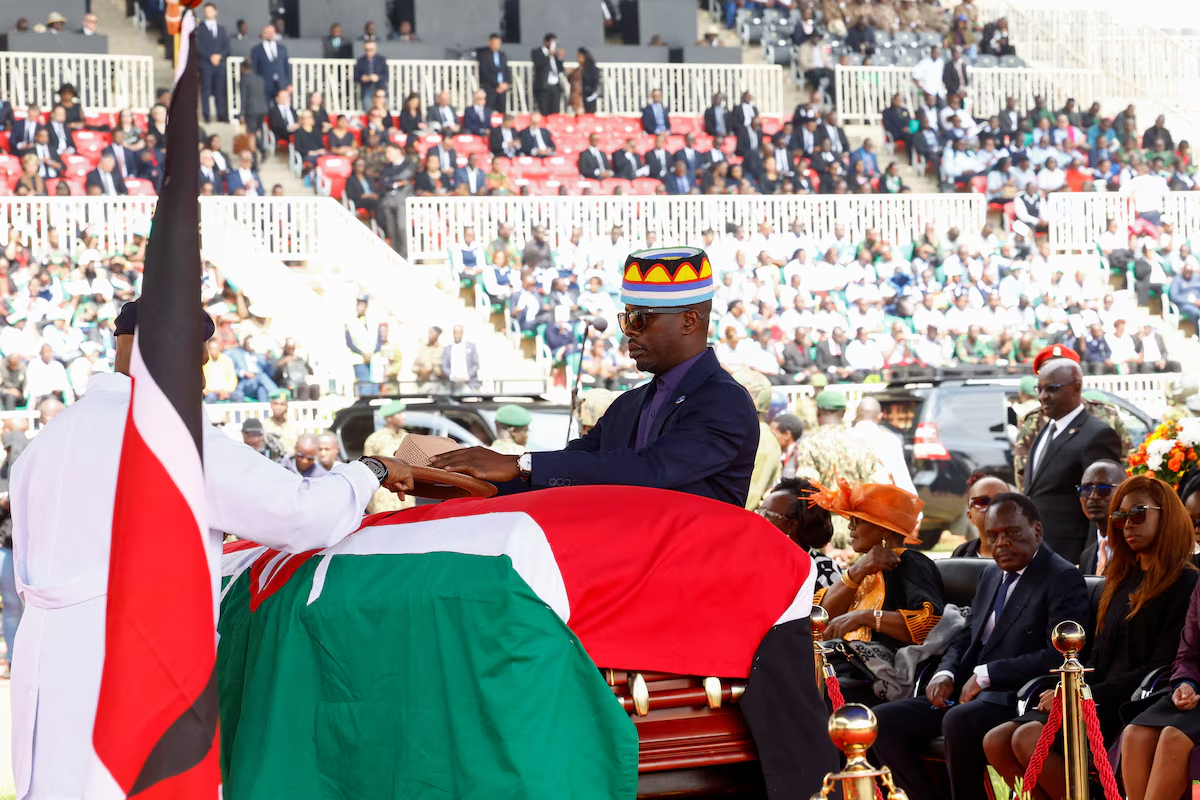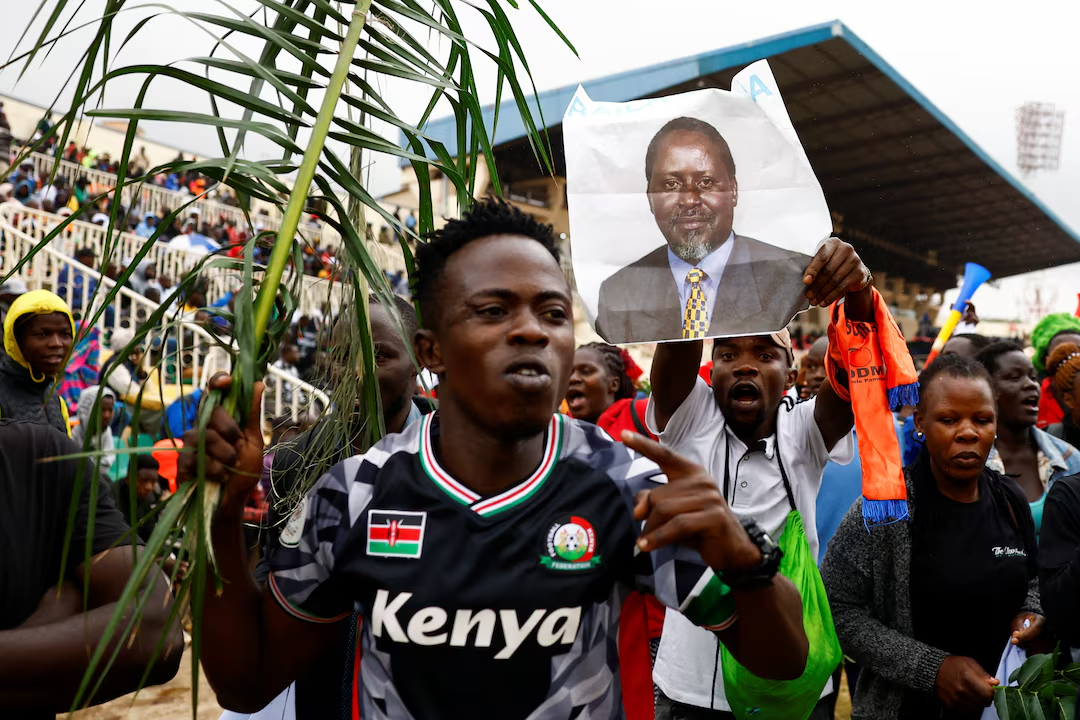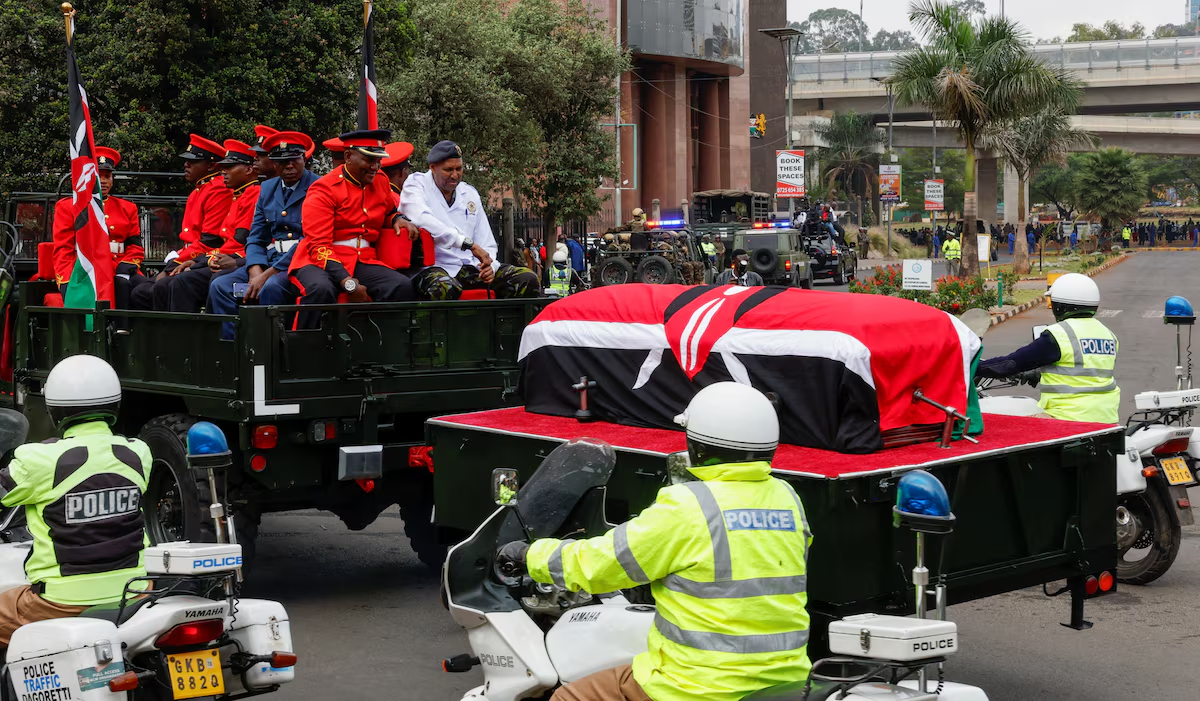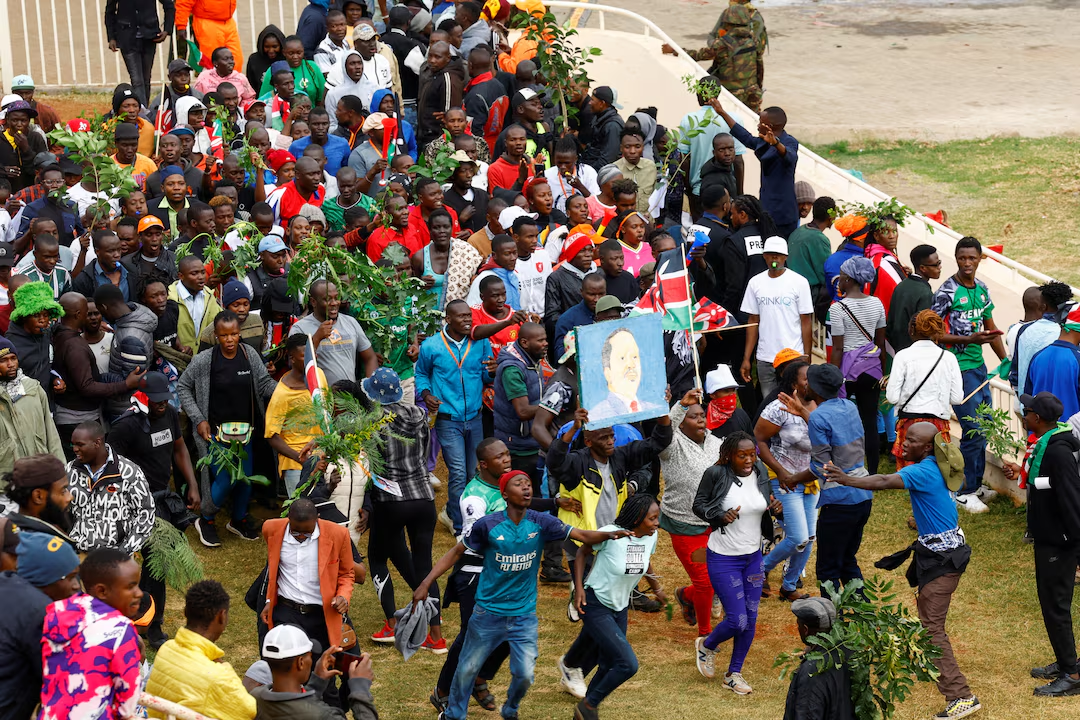

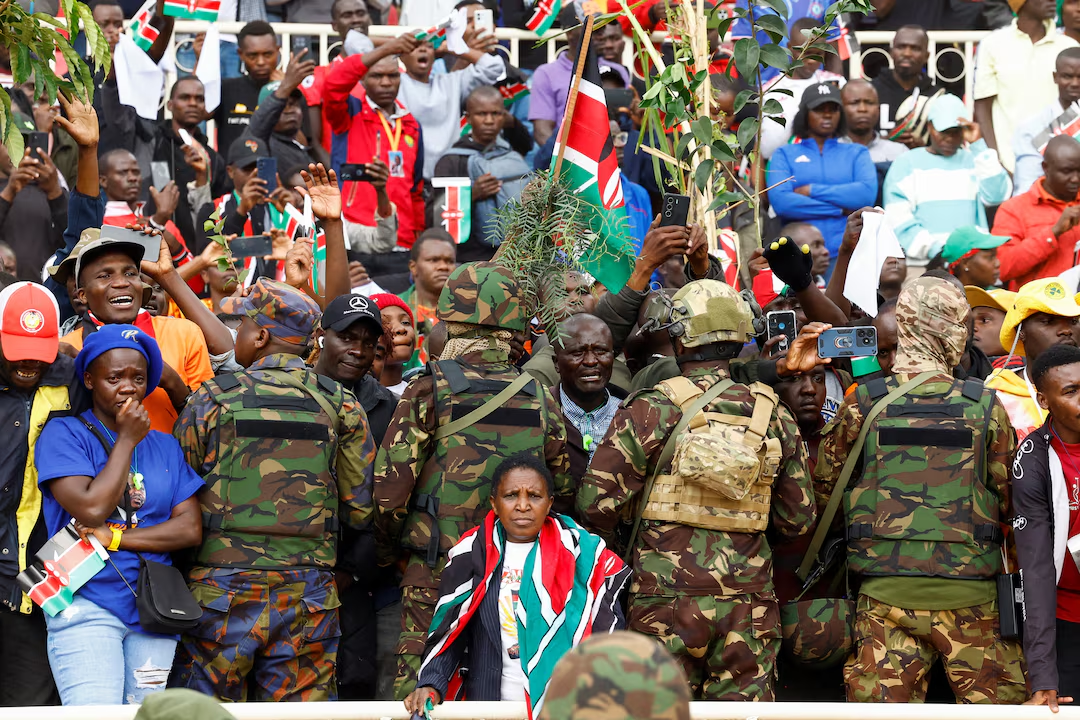
Odinga, a towering figure in Kenyan politics for decades, commanded a passionate following across the country. His funeral, held at Nyayo National Stadium, attracted massive crowds and was heavily secured.
The chaos began when some mourners surged forward in an attempt to view Odinga’s body, leading to a deadly crush, Kenyan broadcaster NTV reported. Details on how the incident unfolded remain limited.
“Our teams are on-site providing medical assistance and evacuating the injured,” a Kenya Red Cross spokesperson told Reuters. Police have not yet issued an official statement.
Doctors Without Borders confirmed in a statement that two people were killed in the stampede and more than 160 were injured.
The injuries included blunt force trauma and fractures, although it remains unclear if all were directly related to the crush.
This tragedy follows a separate incident on Thursday, when three mourners were shot and killed by security forces after crowds breached the gate at Kasarani Stadium during a public viewing of Odinga’s body.
Odinga, who died on Wednesday at age 80 while undergoing treatment in India, was a former political prisoner and a central figure in Kenyan politics.
He ran unsuccessfully for president five times and served as prime minister from 2008 to 2013.
Known affectionately as “Baba,” meaning “father” in Swahili, he enjoyed deep support—especially among the Luo community, many of whom believe he was denied the presidency through electoral fraud.
Friday’s funeral service featured military honors and was attended by President William Ruto. Thousands of mourners waved white handkerchiefs, blew whistles, and danced under banners bearing Odinga’s image.
Since Thursday, large crowds have taken to the streets to honor Odinga.
Upon the arrival of his body at Nairobi’s main airport, mourners overwhelmed the tarmac, prompting authorities to suspend flights for two hours.
Odinga’s final burial is scheduled for Sunday at his homestead in western Kenya, a region where his political and cultural influence runs deep.
Throughout his career, Odinga was best known as a staunch opposition leader, though he occasionally formed strategic alliances — including a power-sharing deal with former President Mwai Kibaki in 2008, a political truce with President Uhuru Kenyatta in 2018, and a pact with President Ruto in recent years.