


Somaliland has announced that it will welcome Northeastern State MP Fihiima Yusuf Quuje after she defected from the newly established Mogadishu-based Northeastern State administration and declared that she had renounced the “Greater Somalia” ideology.
Fihiima made the announcement on Friday while she was in Addis Ababa, Ethiopia. In a statement, she said she had abandoned the idea of a united “Greater Somalia” and had returned to what she described as her “nation, Somaliland.”
Her move has drawn praise from Somaliland officials, who described it as a significant political development amid the ongoing dispute over the Sool and Sanaag regions.
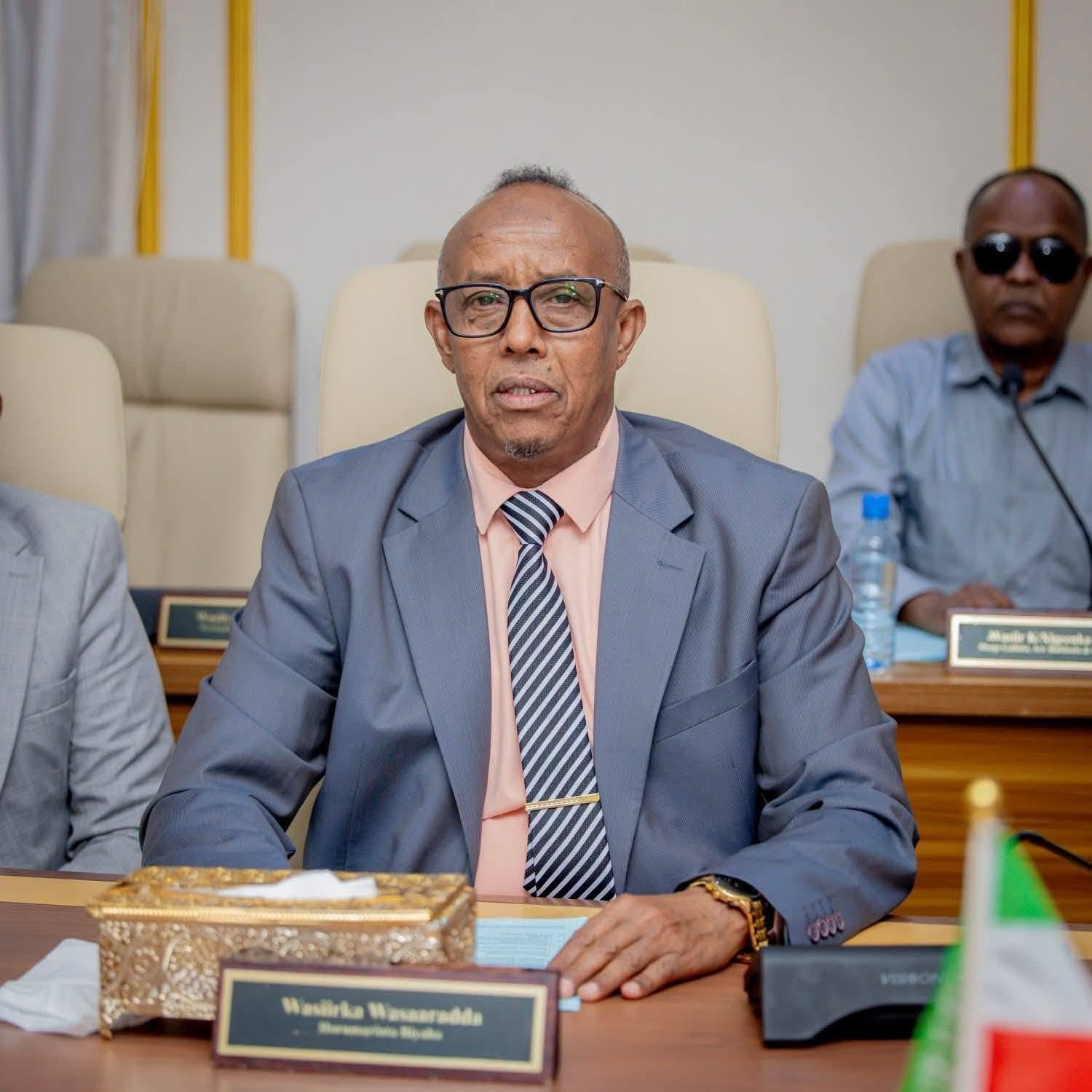
Mohamed Abdimalik Ahmed, Somaliland’s Minister for Water Resources, who is originally from Las Anod, said he had been in contact with Fihiima before she left the town.
“We welcome Fihiima, who has decided to return to her nation, Somaliland. It is her choice,” he said.
The minister suggested that Fihiima’s decision could encourage other officials and political figures from Las Anod who had previously opposed Somaliland to reconsider their positions.
“There are other people from Las Anod who are also thinking about returning,” he said, without naming those individuals.
Such moves, if they materialise, could have implications for the political contest over Sool and Sanaag, territories that have been at the centre of a long-running dispute between Somaliland, Puntland, and the SSC-Khaatumo administration, which is aligned with Somalia’s federal government.
Las Anod, the capital of Sool region, became the focal point of tensions in 2023 after deadly clashes erupted between Somaliland forces and local fighters opposed to Somaliland’s administration of the area.
Following months of fighting, Somaliland forces withdrew from the city, and SSC-Khaatumo emerged as the dominant local authority.
The latest political development highlights the continuing struggle for influence over the contested regions, where questions of identity, self-determination, and political allegiance remain deeply divisive.