

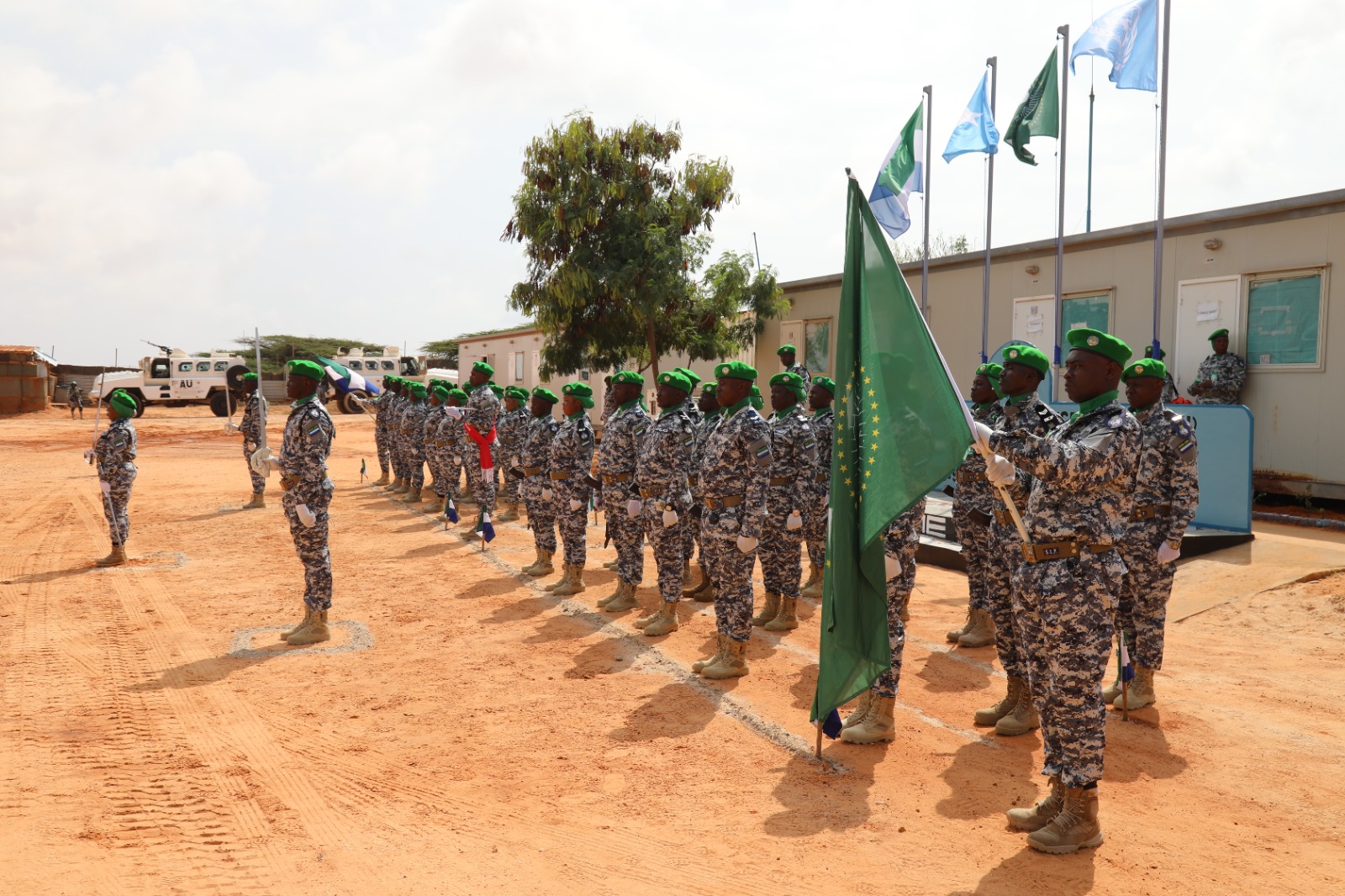
MOGADISHU, Somalia — In a dusty forward operating base outside Middle Shabelle region, Somali troops move warily along the edge of farmland mid last year, scanning for hidden explosives.
The African Union flag no longer flies above the base — a symbol of a profound shift in Somalia’s long and grinding war against al-Shabaab.
Earlier this year, the African Union Transition Mission in Somalia (ATMIS) formally handed over responsibility to a new mission, AUSSOM — the African Union Support and Stabilization Mission in Somalia.
Unlike its predecessor, which commanded tens of thousands of foreign troops at its peak, AUSSOM is designed as a leaner support mechanism, meant to bolster Somali forces while ceding operational primacy to Mogadishu.
But as the handover enters a decisive phase, doubts are mounting: Can Somalia’s army — still undertrained, fractured, and undersupplied — hold the line against an insurgency that has shown remarkable resilience?
A Slimmer Mission, Bigger Risks
At its height, ATMIS and its predecessor AMISOM fielded over 20,000 troops across multiple sectors. Today, AUSSOM’s mandate is far more limited: to provide air support, logistics, and advisory roles while Somali forces take the lead on the ground.
African officials say the model reflects “Somali ownership” of the fight.
Yet privately, both Somali officers and Western diplomats admit the transition has exposed stark vulnerabilities.
“The handover is outpacing Somali capacity,” said one Mogadishu-based security analyst.
“AUSSOM doesn’t have the troop density to fill gaps, and the national army isn’t yet cohesive enough to withstand large-scale counter-offensives.”
Command and Cohesion Challenges
The Somali National Army (SNA) has made gains over the past two years, expanding recruitment and integrating regional clan militias into formal structures.
But integration remains fragile. In Galmudug and Hirshabelle, commanders complain that units answer more to local clan elders than to Mogadishu’s central command.
This fragmented loyalty raises risks of uneven battlefield performance.
A Somali officer in Adale town described the difficulty of “coordinating with units that melt away when their home villages come under attack.”
For AUSSOM, whose role is largely advisory, these gaps create a paradox: it is tasked with enabling an army that is still in the process of becoming an army.
The Supply Chain Dilemma
Another pressing issue is logistics.
For years, ATMIS convoys moved food, fuel, and ammunition across Somalia’s fractured roads, often at great cost. With fewer AU troops on the ground, Somali forces are increasingly responsible for securing and managing supply chains.
Yet al-Shabaab has adapted.
Fighters have intensified attacks on key supply routes, especially between Mogadishu and neighboring regions, cutting off some forward units and straining government-held towns.
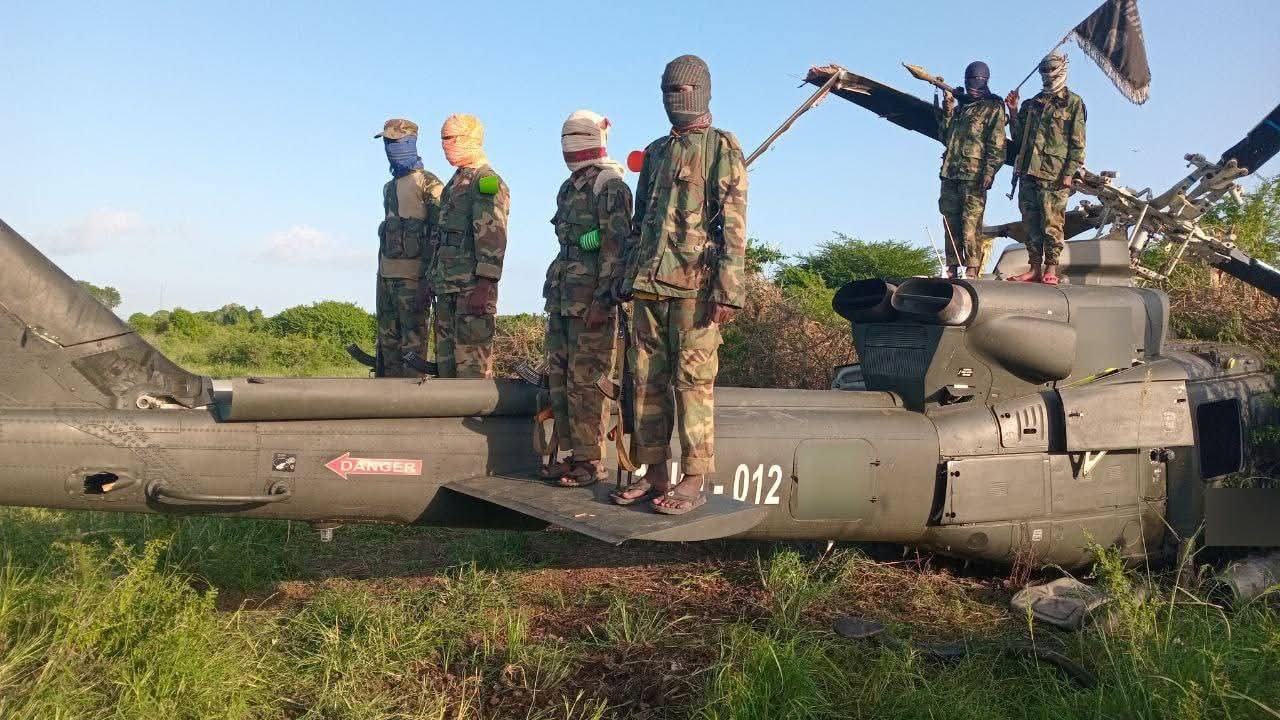
The result has been shortages of food and ammunition at front-line bases — conditions that, as one AU adviser put it, “sap morale faster than combat.”
Militant Counter-Offensives Loom
The timing could not be worse.
After suffering setbacks in 2023 and 2024, al Shabaab has regrouped, mounting audacious assaults on towns such as Mahaas and intensifying hit-and-run raids to unsettle recently liberated areas.
In its ongoing “Shabelle offensive,” launched in January, the group has retaken a string of towns and villages across Hiiraan and Middle Shabelle, steadily consolidating its hold.
Somali officials warn of a likely insurgent push in the coming months aimed at testing the national army’s capacity without ATMIS’ bulk behind it.
“The insurgency calculates that Somali forces are stretched thin,” said a senior security consultant in Nairobi.
“If they can retake symbolic towns, they undermine the narrative of progress just as the transition reaches its peak.”
Shifting External Support
The international security architecture around Somalia is also shifting.
The U.S., once the mainstay of counterterrorism operations, has cut back support, reducing reliance on elite Somali units like Danab. Turkey, by contrast, has expanded its footprint, supplying drones, training, and armored vehicles.
While Turkish drones have tipped the balance in some engagements, humanitarian groups report a rising toll of civilian casualties, adding a political cost to the military edge.
Gulf states, meanwhile, continue to operate behind the scenes, funding allied clans and competing for influence around ports and trade corridors.
Future Risks
For Mogadishu, the stakes could not be higher.
If AUSSOM’s slimmer mission fails to stabilize the front lines, Somalia risks a reversal of gains made since 2022, when government-led offensives wrested territory from al-Shabaab with AU and Western support.
The transition was meant to mark a step toward sovereignty and self-reliance. Instead, it has exposed the fragility of that very sovereignty.
“The paradox,” said one AU official, “is that success means Somalia stands on its own. But standing alone too soon could undo everything achieved.”
The Takeaway: Somalia’s security handover to AUSSOM represents both progress and peril.
The months ahead will test whether Somali forces can move from dependency to durability — or whether the insurgency will exploit the gaps left by a departing international shield.