

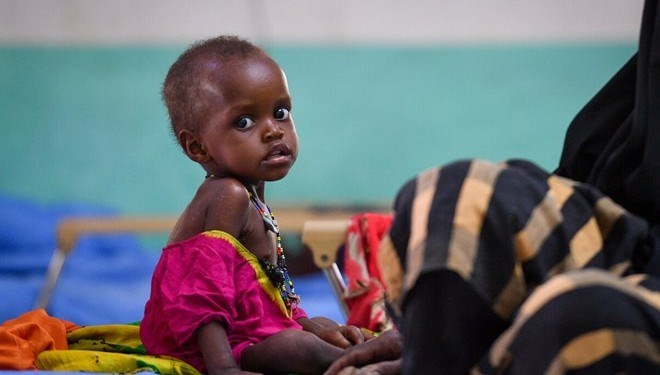
Mogadishu (KAAB TV) – The United Nations World Food Programme (WFP) has issued a stark warning that millions of Somalis are at heightened risk of starvation and severe malnutrition due to critical funding shortfalls.
As of November, the WFP has been forced to dramatically scale back its emergency food assistance operations in Somalia, slashing aid from over 1.1 million people in August to just 350,000 people—less than one-tenth of those in need.
The dramatic reduction comes at a time when hunger levels across Somalia are reaching alarming new heights. According to the most recent Integrated Food Security Phase Classification (IPC) report, an estimated 4.4 million people are currently facing crisis levels of food insecurity. Of this number, nearly 1 million individuals are experiencing acute food insecurity—a figure that has surged by more than 50 percent in the past six months.
Ross Smith, Director of Emergency Planning and Response at WFP, expressed deep concern over the deteriorating situation.
“We are witnessing an alarming increase in emergency levels of hunger, and our ability to respond is shrinking by the day,” he said. “Without immediate funding, we are forced to make impossible choices about who receives life-saving aid and who goes without.”
The crisis extends beyond food access, with malnutrition among children remaining a critical concern. An estimated 1.8 million children under the age of five are currently suffering from severe malnutrition, with 421,000 of those classified as acutely malnourished, placing them at imminent risk of disease, developmental delays, or death if left untreated.
WFP’s nutrition programs, which once supported hundreds of thousands of vulnerable children, are also being curtailed. Due to budget constraints, only 180,000 children are currently receiving nutritional support—a number that falls drastically short of the actual need.
The funding crisis is largely attributed to competing global emergencies and a significant drop in international donor contributions. Somalia, which has faced decades of conflict, political instability, and recurrent climate shocks including droughts and floods, is particularly vulnerable to food insecurity. Humanitarian organizations warn that without immediate international support, the humanitarian catastrophe could escalate rapidly.
The WFP has called on the international community to step up and provide urgent financial assistance to avoid a total collapse of Somalia’s emergency food and nutrition response. Additional funding is critical not only to expand food distribution, but also to ensure that malnourished children receive the treatment they need to survive.
Humanitarian experts stress that while food aid is a short-term solution, long-term investments in resilience, agriculture, and peacebuilding are equally essential to address the root causes of hunger in Somalia.
Key Figures:
-
People facing food insecurity: 4.4 million
-
People facing acute hunger: 1 million (up 50% in 6 months)
-
Children under 5 severely malnourished: 1.8 million
-
Children acutely malnourished: 421,000
-
Children receiving nutrition treatment: 180,000
-
WFP emergency food aid recipients in August: 1.1 million
-
WFP emergency food aid recipients in November: 350,000
As the crisis deepens, the message from humanitarian organizations is clear: the time to act is now. Without renewed international commitment, millions of lives hang in the balance.