




MOGADISHU (Kaab TV) – Newly released figures from the World Health Organization (WHO) and UNICEF show that Somalia is making notable progress in child immunization, with 70% of children now fully vaccinated—an increase of 28% between 2012 and 2024.
The annual WHO/UNICEF Estimates of National Immunization Coverage (WUENIC), published today, reveal steady improvements across all major vaccines since 2019.
The report highlights progress made at the country level, remaining gaps, and areas where vaccine coverage has stalled or declined.
This milestone comes amid Somalia’s renewed efforts to strengthen its immunization system.
In 2024, the Federal Ministry of Health and Human Services, in partnership with WHO and UNICEF, launched the accelerated “Big Catch-Up” campaign.
The initiative specifically targeted children who had never received a vaccine (“zero-dose”) and those with incomplete immunization—a major step toward reducing child mortality.
As part of this effort, Somalia introduced two key vaccines last year: the pneumococcal conjugate vaccine (PCV) and rotavirus vaccine, both aimed at combating pneumonia and diarrhoea—two of the leading killers of children under five in the country.

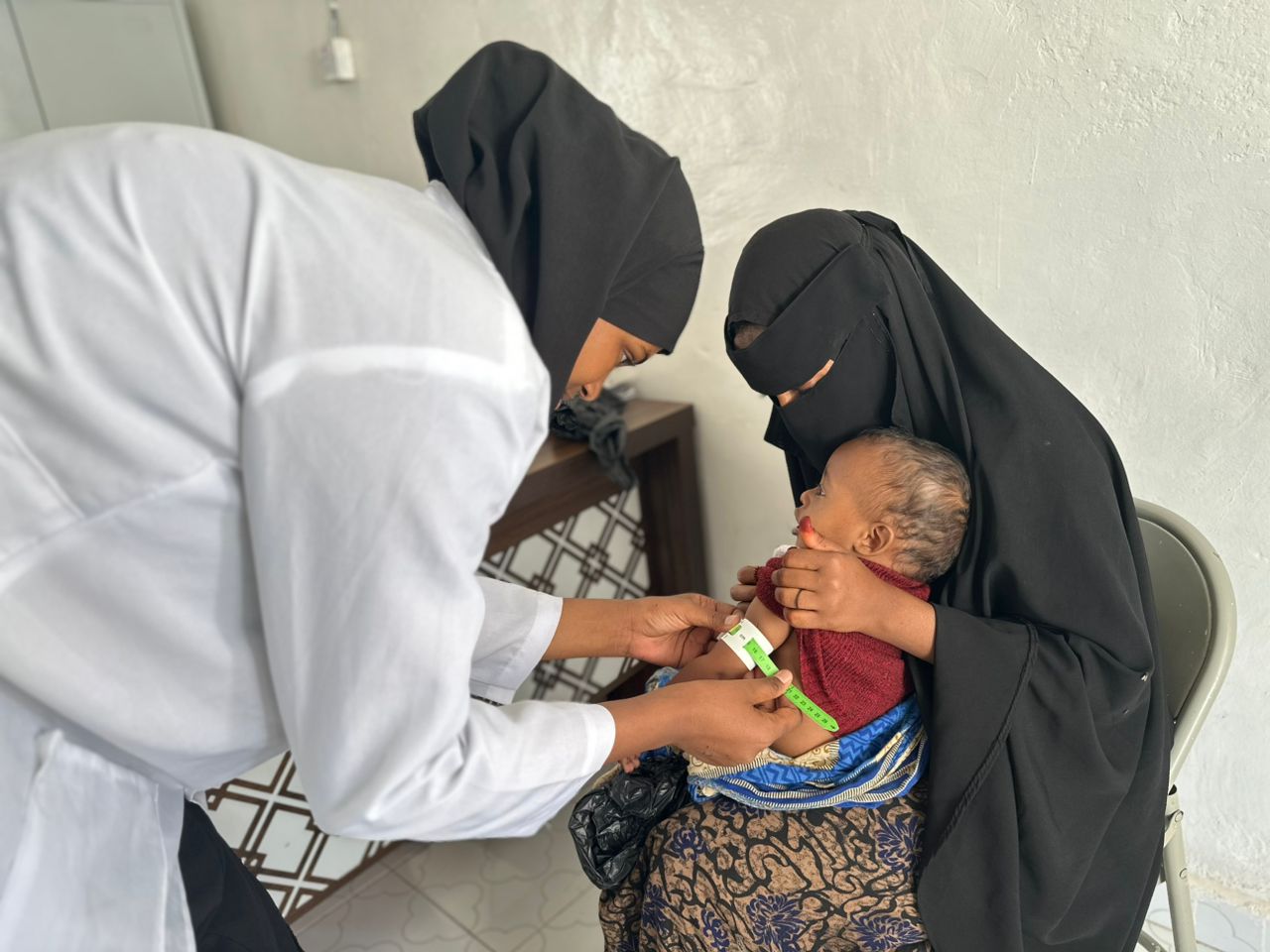
“Immunization remains one of the most cost-effective tools in public health,” said Somalia’s Minister of Health, H.E. Dr. Ali Haji Adam. “To keep moving forward, we must continue building the capacity of frontline health workers and raise awareness about the importance of life-saving vaccines across communities.”
For decades, Somalia’s immunization coverage lagged below 50%, hampered by conflict, displacement, and a weak healthcare infrastructure. Today, an estimated 1.5 million children under five remain zero-dose.
However, thanks to the “Big Catch-Up” initiative, nearly 700,000 of these children received their first dose of the pentavalent vaccine in 2024—offering protection against diseases such as diphtheria and whooping cough.
“Somalia has made remarkable progress in reaching vulnerable children wherever they live,” said Dr. Renee Van de Weerdt, WHO Representative in Somalia. “In addition to routine vaccinations, high-quality campaigns—including cross-border coordination—are helping protect children from the ongoing polio outbreak that began in 2017.”
To further improve vaccination delivery, UNICEF and WHO supported a nationwide data quality improvement initiative across all districts.
This, along with expanded cold-chain infrastructure and sustained advocacy, has enhanced both immunization rates and the reliability of health data.
“Through strong government leadership and collaborative efforts, Somalia’s immunization programme is seeing real results,” said Nisar Syed, UNICEF Acting Representative in Somalia.
“Today, 90% of health facilities offering vaccinations are equipped with solar-powered refrigeration to keep vaccines safe—ensuring even the most remote communities are being reached.”
The WUENIC 2024 data also indicates a decrease in zero-dose children in Gavi-supported countries like Somalia, underscoring the value of international investment in immunization.
Key partners including Gavi, the Global Polio Eradication Initiative, the UK Foreign, Commonwealth and Development Office, the World Bank, and the Gates Foundation continue to play a crucial role in boosting child survival rates.
With the world working toward the Immunization Agenda 2030, which aims for universal vaccine access, Somalia’s progress offers a powerful example of what is possible through focused investment, strong partnerships, and community engagement.