


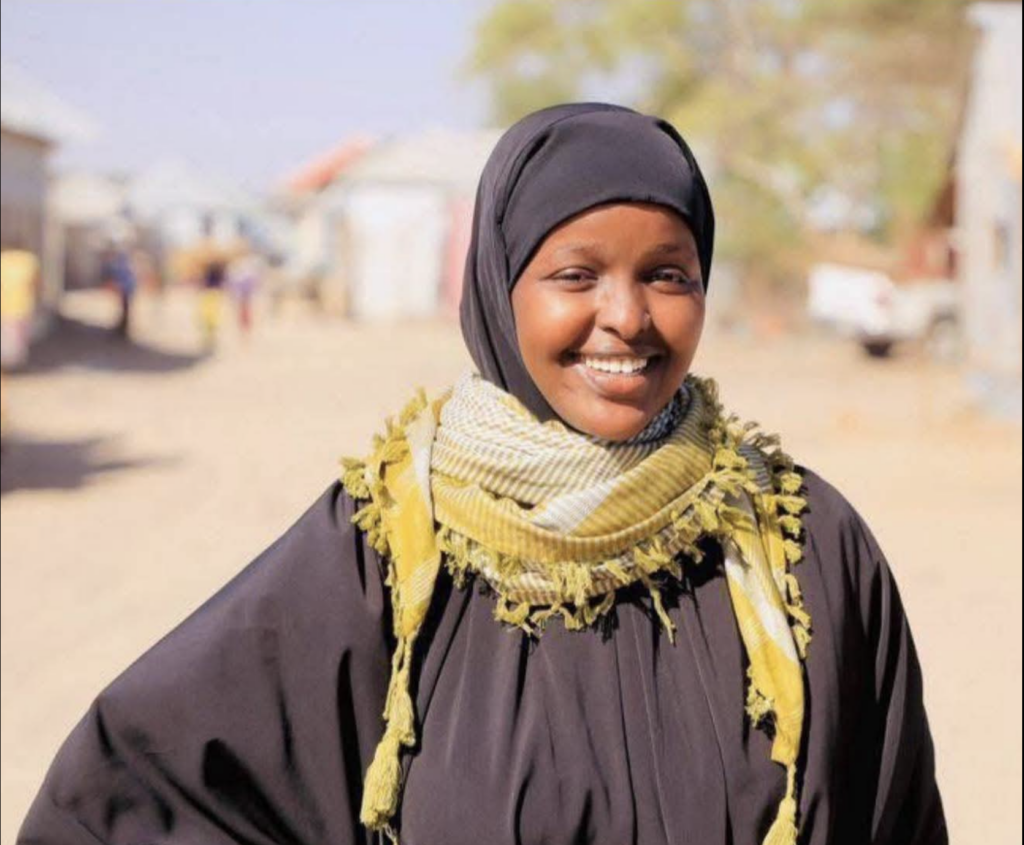


MOGADISHU (Kaab TV) – A deeply concerning situation has emerged over the unlawful detention of Somali woman activist Sadiyo Moalin Ali, widely known as Sadiyo Bajaaj, who has been held for more than a week at Mogadishu Central Prison after expressing her views on social media.
In an audio recording circulated by local media, Sadiyo said she had gone without food for four out of the seven days she has been detained.
“I’m speaking to you from the bathroom. I have been detained for seven days; for four days I have not eaten anything,” she said.
Sadiyo Bajaaj, a well-known young activist in Mogadishu who previously worked as a bajaj (three-wheeler) driver, was forcibly taken from the Taleex neighborhood by armed officers believed to be from Somalia’s National Intelligence and Security Agency (NISA) on Sunday, April 12.
Days later, she was transferred to Mogadishu Central Prison without any formal charges being filed. However, a court has reportedly ordered her detention for 90 days, according to information obtained by Kaab TV.
Prior to her arrest, Sadiyo had posted a video on social media stating that “police officers were searching for her.”
She also expressed fears that she could be subjected to sexual violence, claiming there were intentions to punish her through such abuse.
Federal government security agencies have so far remained silent on the reasons behind her arrest.
Sadiyo has been a vocal critic of President Hassan Sheikh Mohamud and his administration.
In several videos posted on her Facebook and TikTok platforms, she spoke out against corruption, favoritism, and abuse of power, accusing President Hassan Sheikh Mohamud and the Governor of Banadir Region of nepotism, alleging that they employed their relatives while Somali youth remain unemployed.
About a month before this detention, Sacdiyo was arrested in Mogadishu after she and other bajaj drivers staged a protest against rising fuel prices and the increasing cost of living, calling on the Banadir regional administration to take action.
Mogadishu’s prison system does not provide food for detainees, forcing prisoners to rely on financial support from their families to survive—something many cannot afford.
Women detainees face particularly harsh conditions, with reported cases of rape and sexual abuse inside prisons. Such incidents often go unreported due to fear and stigma.
Somalia remains a place where individuals are targeted for expressing their views, particularly those from marginalized and unarmed communities.