

MOGADISHU (KAAB TV) – Former Minister of Religion and Endowments, Omar Ali Roble, along with well-known businessmen Ali Haji Iman and Bulale, have been released after being briefly detained by Somali security forces.
The three men, all members of the Wa’eysle community, were arrested near the Global Hotel in northern Mogadishu—an area where businessman Ali Haji Iman resides—according to sources close to the matter.
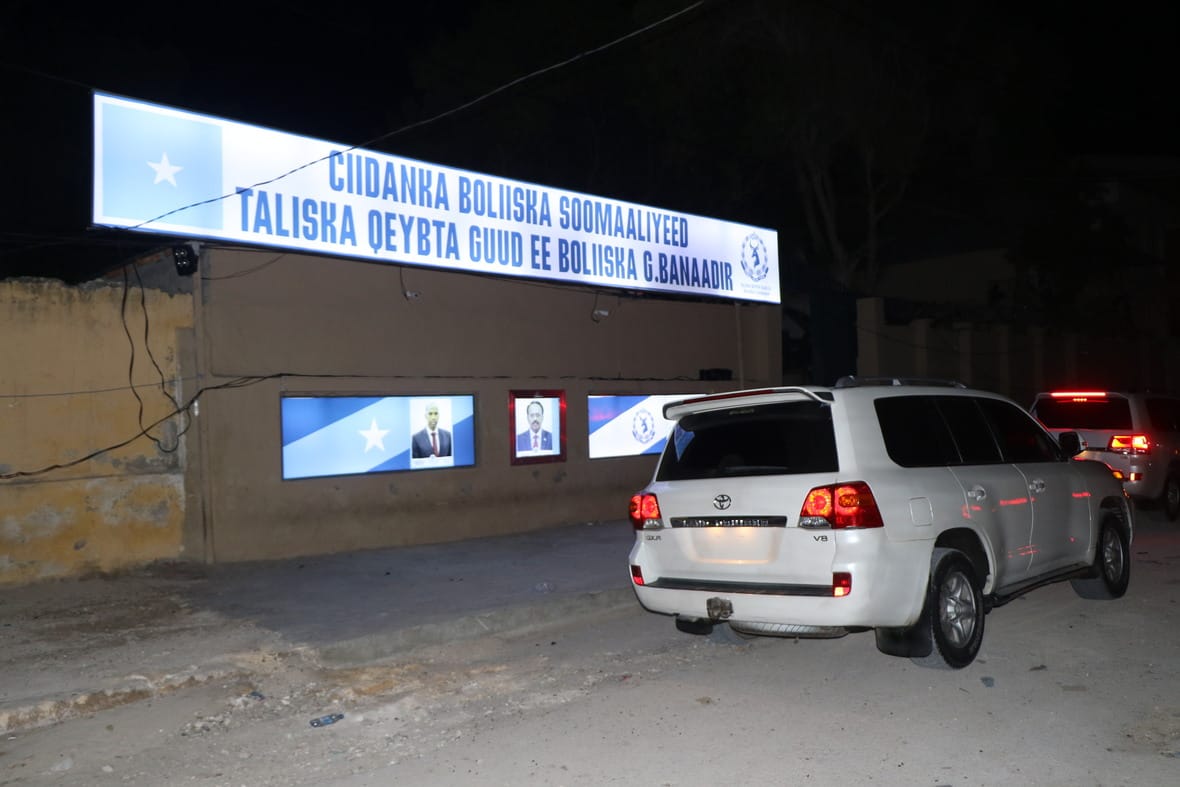
The detainees were held for several hours at the Hamar Weyne District Police Station, prompting swift political intervention from members of the Somali opposition.
Influential figures including MP Ugas Dhagey Geelle, Senator Dhagdheer, MP Yasin Farey, and traditional leader Chief Mohamud Ali Ugas reportedly played key roles in negotiating their release.
Although the exact reason for their arrest has not been officially disclosed, their detention comes amid rising political tension surrounding the Mogadishu forced evictions, a contentious issue that has drawn criticism from opposition leaders and civil society.
Omar Ali Roble, Ali Haji Iman, and Bulale are among the figures who have vocally condemned the government’s handling of the Mogadishu evictiions, accusing authorities of marginalizing community interests and mismanaging land allocation.
Their release may have been influenced by direct intervention from higher political offices. Some sources allege that President Hassan Sheikh Mohamud, currently attending the United Nations General Assembly in New York, issued the order for their immediate release, although this remains unconfirmed by official channels.
The arrests occurred just days after a tense standoff at the Warta Nabadda District Station, where members of the opposition, including the three released figures, were reportedly dispersed by live gunfire while attempting to organize a peaceful demonstration.
The use of force by security forces has drawn condemnation from human rights advocates and raised concerns about the shrinking space for political dissent in Somalia.
This latest incident underscores the increasing volatility surrounding the Mogadishu forced evictions, which has become a flashpoint in Mogadishu politics.
It also highlights the broader challenge facing Somalia’s political leadership in balancing state authority with civic freedoms, especially at a time when opposition leaders are mobilizing more actively in defense of their constituencies.
As public discontent grows and the political opposition gains momentum, calls are intensifying for the Somali government to address the evictions through inclusive dialogue and transparent processes, rather than security crackdowns.
The recent detentions, though brief, have further polarized public opinion and heightened fears of a broader political crackdown.