


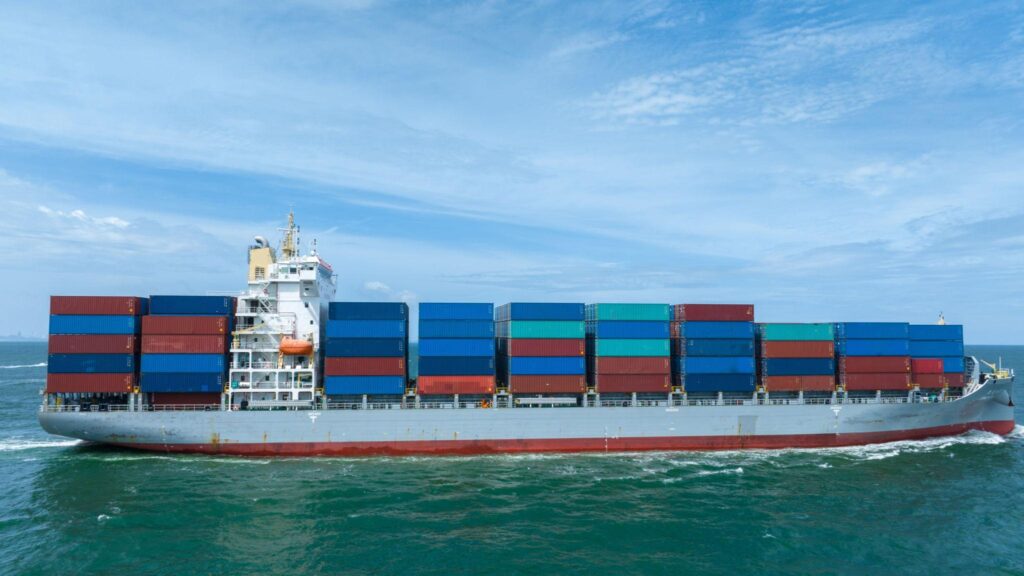


Piracy off the coast of Somalia and in the Gulf of Aden is showing signs of resurgence after several years of relatively few attacks on commercial vessels navigating the Indian Ocean, Red Sea and Gulf of Aden.
An Associated Press (AP) report warns that conflicts in the Middle East and the Horn of Africa have made regional shipping routes increasingly vulnerable, raising concerns that Somali pirate networks could regain some of the operational capacity they once used to threaten international maritime trade.
According to information from officials involved in the European Union’s Operation Atalanta, 79 piracy-related incidents have been recorded in the region since Yemen’s Houthi movement began attacking commercial vessels in the Red Sea and around the Bab el-Mandeb Strait in November 2023.
Nearly 30 of those incidents were reported after the outbreak of the Iran war in February 2026.
The figures highlight the growing pressure on maritime security in a region already affected by armed conflict, the activities of non-state groups and economic difficulties in coastal countries.
The AP report says Somali pirates hijacked six commercial vessels between April and August 2026, including oil tankers and cargo ships.
Five were subsequently released, but the Tanzania-flagged oil tanker MT Asana remained in the hands of pirates, according to information released by Operation Atalanta on October 16, 2026.
The Asana was seized on July 17, 2026, approximately 65 nautical miles southwest of Mukalla, Yemen. It was later reported to be in Somali waters, with around 22 crew members on board.
Operation Atalanta has confirmed that the case remains open and that it is monitoring the vessel’s situation and efforts to secure the release of those aboard.
The European Union has maintained Operation Atalanta in the region since 2008. The naval mission was established to combat piracy, protect commercial shipping and contribute to maritime security along some of the world’s busiest trade routes.
One of the key vessels supporting the operation is the Spanish frigate ESPS Santa Maria. It carries more than 200 military personnel and is equipped with helicopters, unmanned aerial systems and weapons designed for maritime operations.
Specialist personnel aboard the vessel train for operations to retake hijacked ships and rescue crew members held by pirates.
The mission also relies on surveillance aircraft and intelligence-sharing arrangements with other countries and organisations involved in maritime security.
Despite these measures, officials acknowledge that determining how many attacks have been prevented is difficult, particularly given the vast maritime area that naval vessels and surveillance aircraft are required to monitor.
Maritime security experts point to several factors that could be contributing to the return of piracy, including poverty, unemployment, food insecurity, rising fuel costs and political instability in Somalia and neighbouring countries.
Somalia’s extensive coastline, limited maritime enforcement capacity and lack of alternative economic opportunities in some coastal communities have also been identified as contributing conditions.
Regional conflicts have further complicated the security environment. Fighting in Yemen and tensions involving Iran have disrupted established shipping patterns, forcing some vessels to change routes while others face higher insurance premiums and security expenses.
The commander of Operation Atalanta has warned that instability across the region could encourage criminal activity, particularly as economic hardship and insecurity may push some people towards pirate networks.
The Bab el-Mandeb Strait is a critical international shipping corridor connecting the Red Sea with the Gulf of Aden. It provides a major passage for vessels travelling between Asia, Europe and other global markets.
Under normal conditions, a substantial share of international trade passes through the route, including oil tankers and container ships.
The AP report estimates that it carries around 12 per cent of global trade and a significant proportion of container traffic between Asia and Europe.
The conflict involving Iran and continuing tensions around Yemen have increased the strategic importance of the passage, particularly as shipping through the Strait of Hormuz has also faced disruption.
If both maritime corridors experience serious security threats at the same time, shipping companies could face longer journeys, higher fuel consumption, increased insurance costs and delays in delivering goods.
These additional expenses could eventually be reflected in the prices paid by consumers worldwide.
The AP report also highlights the impact of piracy on fishing vessels, not just large commercial ships.
Some fishing boats have reportedly been used by armed groups as platforms from which to organise attacks and approach larger vessels operating off the Somali coast.
This creates additional challenges for naval forces, which must distinguish between legitimate fishing activity and boats being used to support piracy. It also places pressure on coastal communities whose livelihoods depend on fishing.
For Somalia, the resurgence of piracy carries significant security, economic and diplomatic implications.
The country has Africa’s longest mainland coastline and has struggled for years with illegal fishing, weak maritime surveillance and armed groups involved in hijackings.
An increase in attacks could undermine confidence in shipping routes near Somalia, affect maritime trade and fishing activities, and place additional pressure on the Federal Government and regional administrations to strengthen coastal protection and dismantle pirate networks.
The situation also presents an opportunity for Somalia to expand cooperation with regional countries and the European Union.
Priorities include developing capable coastguard forces, improving intelligence-sharing, strengthening maritime surveillance and establishing effective legal mechanisms to prosecute those involved in piracy.
Shipping companies are already exposed to additional costs associated with insurance, armed security personnel and changes to established maritime routes.
When vessels are forced to take longer journeys, they consume more fuel, require additional crew time and incur higher operating expenses.
The consequences extend beyond the shipping industry. Countries that depend heavily on imported goods, including Somalia, could face higher prices if maritime transport and insurance costs continue to rise.
The renewed piracy threat therefore highlights the importance of addressing both maritime security and the conditions that allow criminal networks to operate.
Without stronger coastal enforcement, regional coordination and economic opportunities for vulnerable communities, instability across the Red Sea and Gulf of Aden could create further opportunities for Somali pirate groups to expand their activities.