


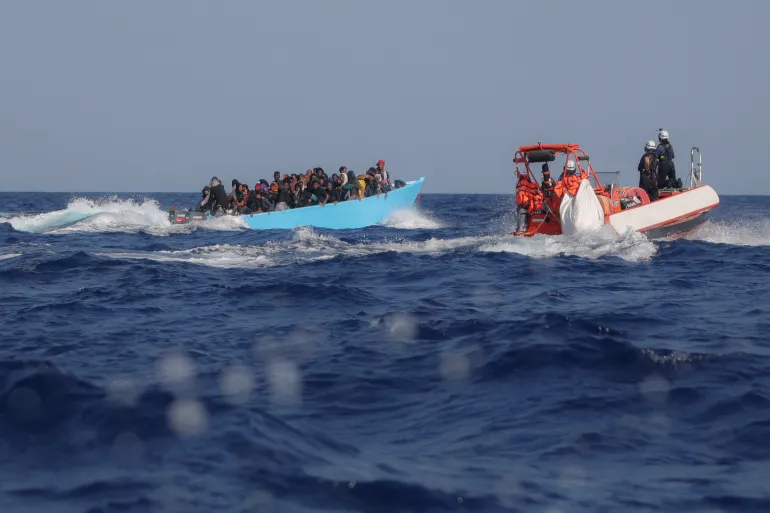


Several Somali youths attempting to reach Europe through Libya are feared dead after a boat carrying migrants capsized off the Libyan coast, while others were reportedly rescued.
The Somali nationals were among a group of migrants hoping to cross the Mediterranean Sea after travelling to Libya. Their journey ended in tragedy when the vessel overturned, triggering search and rescue operations.
The exact number of people who died, survived or remain missing has not yet been officially confirmed. The circumstances surrounding the capsizing, including what caused the boat to overturn, also remain unclear.
Libyan coast guard units are reportedly conducting search operations to locate missing passengers and assist anyone still in danger.
The efforts are said to involve officials from migration agencies and United Nations organisations, although further details about the operation have not been made public.
Establishing the number and identities of those involved can be difficult in such incidents, particularly when passengers lack identification documents or have been unable to contact their families.
Relatives of those who attempted the journey are therefore facing uncertainty as they wait for reliable information about their loved ones.
Libya has long served as a major transit route for migrants seeking to reach Europe from Africa.
Young people from Somalia, Ethiopia, Eritrea and other countries travel to the North African country in the hope of crossing the Mediterranean, often driven by unemployment, economic hardship, insecurity, conflict and limited prospects at home.
However, the route exposes migrants to serious dangers. Many depend on smuggling networks that charge substantial sums while promising to arrange passage to Europe.
Boats used for these crossings are frequently unsuitable for long sea journeys and may carry far more passengers than they can safely accommodate.
The dangers are not limited to the Mediterranean crossing. Somali migrants in Libya have also faced reports of detention, abuse, extortion and trafficking.
Some young people are reportedly held in prisons, private residences or other facilities, with their release allegedly made conditional on payments from relatives.
Families in Somalia can consequently face considerable financial pressure as they attempt to secure the release of detained relatives or obtain permission for them to continue their journeys.
Some reportedly send money to smugglers or individuals holding their family members, often without any guarantee that the payments will lead to their release.
Those who survive the journey through Libya may still encounter difficult living conditions, limited financial resources and uncertainty over their legal status.
Others face the risk of falling into the hands of trafficking networks that exploit migrants’ vulnerability and hopes of reaching Europe.
The Mediterranean remains one of the most dangerous migration routes, with repeated shipwrecks claiming the lives of people from different parts of Africa and beyond.
Overcrowded vessels, difficult sea conditions and prolonged periods without assistance can turn attempted crossings into deadly emergencies.
Survivors may also struggle to identify missing relatives or establish what happened to those who disappeared at sea.
The latest reported incident highlights the continuing risks facing Somali youths who attempt irregular migration through Libya.
It also underscores the emotional and financial burden placed on families who often have little access to reliable information about relatives travelling along the route.
Somalia’s government and relevant agencies face calls to strengthen assistance for citizens stranded in Libya, particularly those held in detention facilities or other locations where they may be vulnerable to exploitation.
Better consular support, coordination with international organisations and assistance with voluntary return could help address some of the immediate risks.
At the same time, expanding employment opportunities, education and economic prospects within Somalia remains important in addressing some of the pressures that drive young people to undertake dangerous journeys in search of a better future.