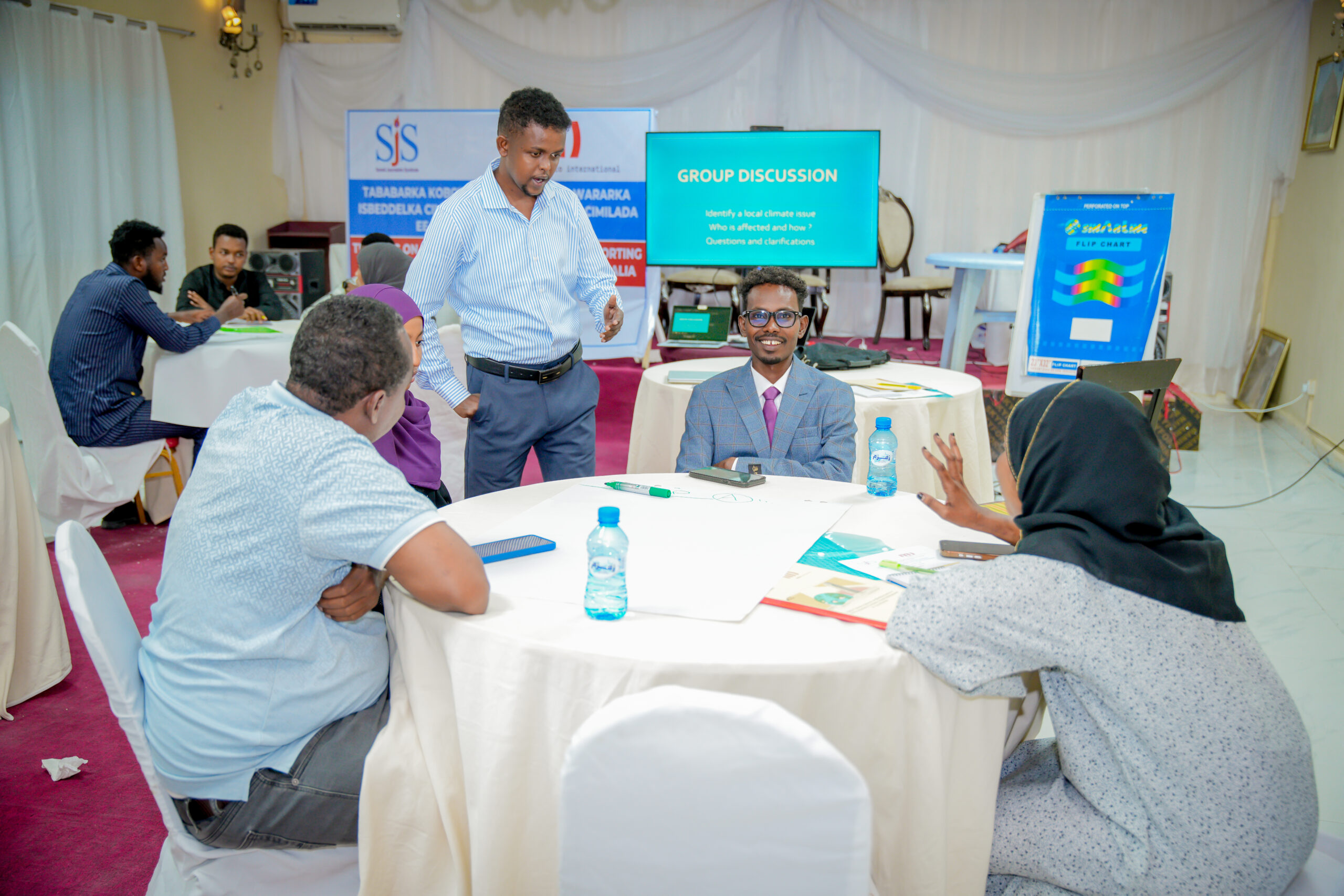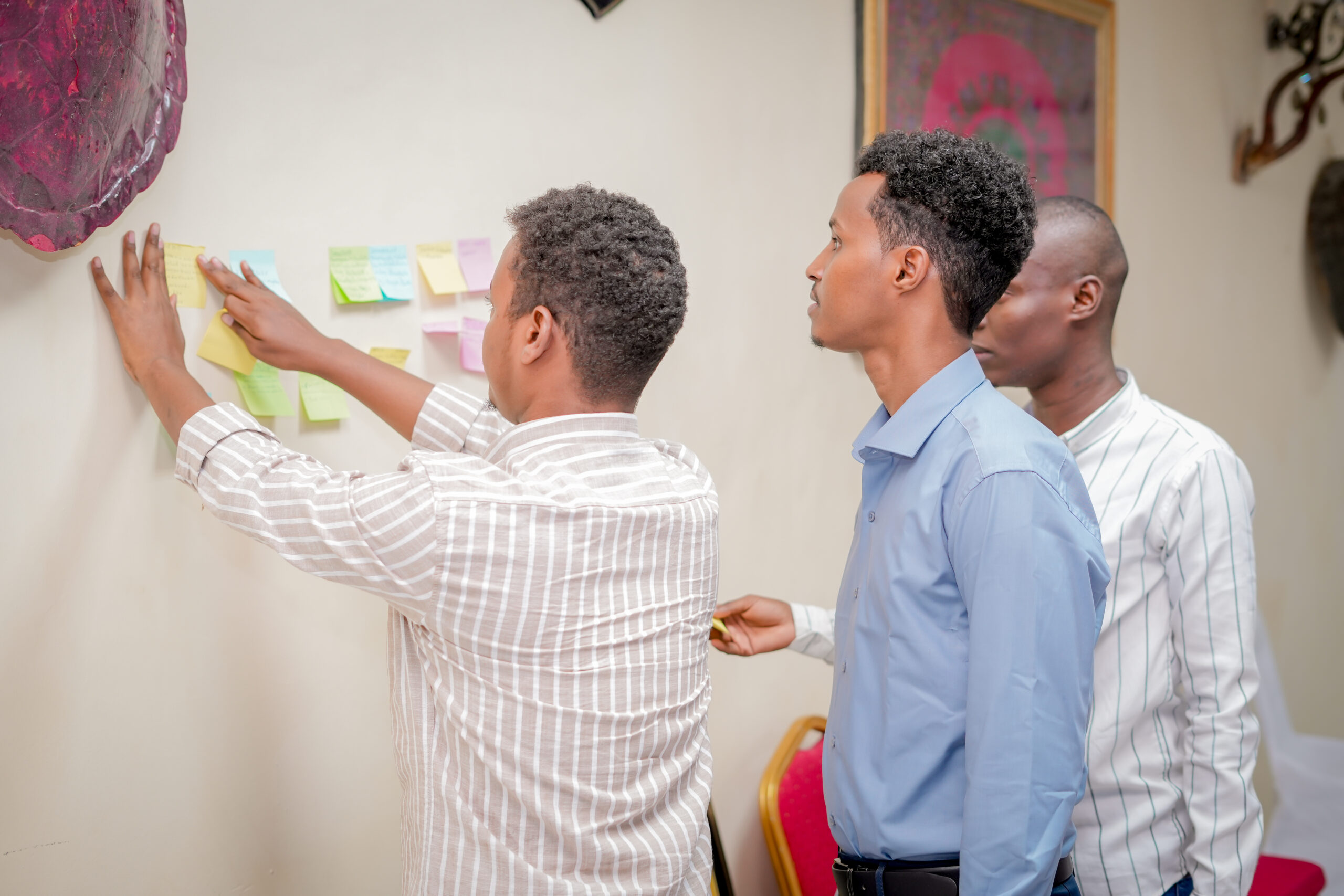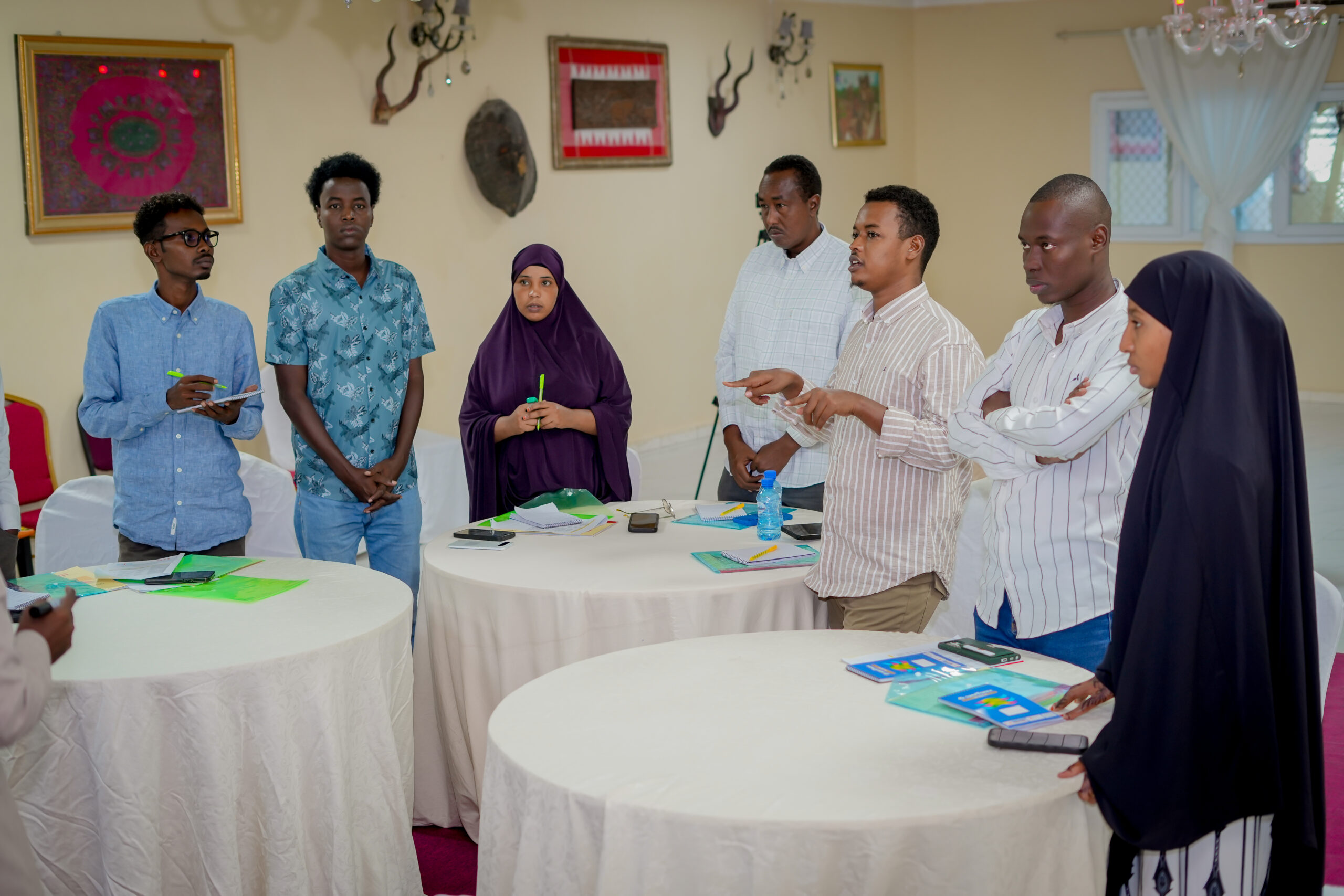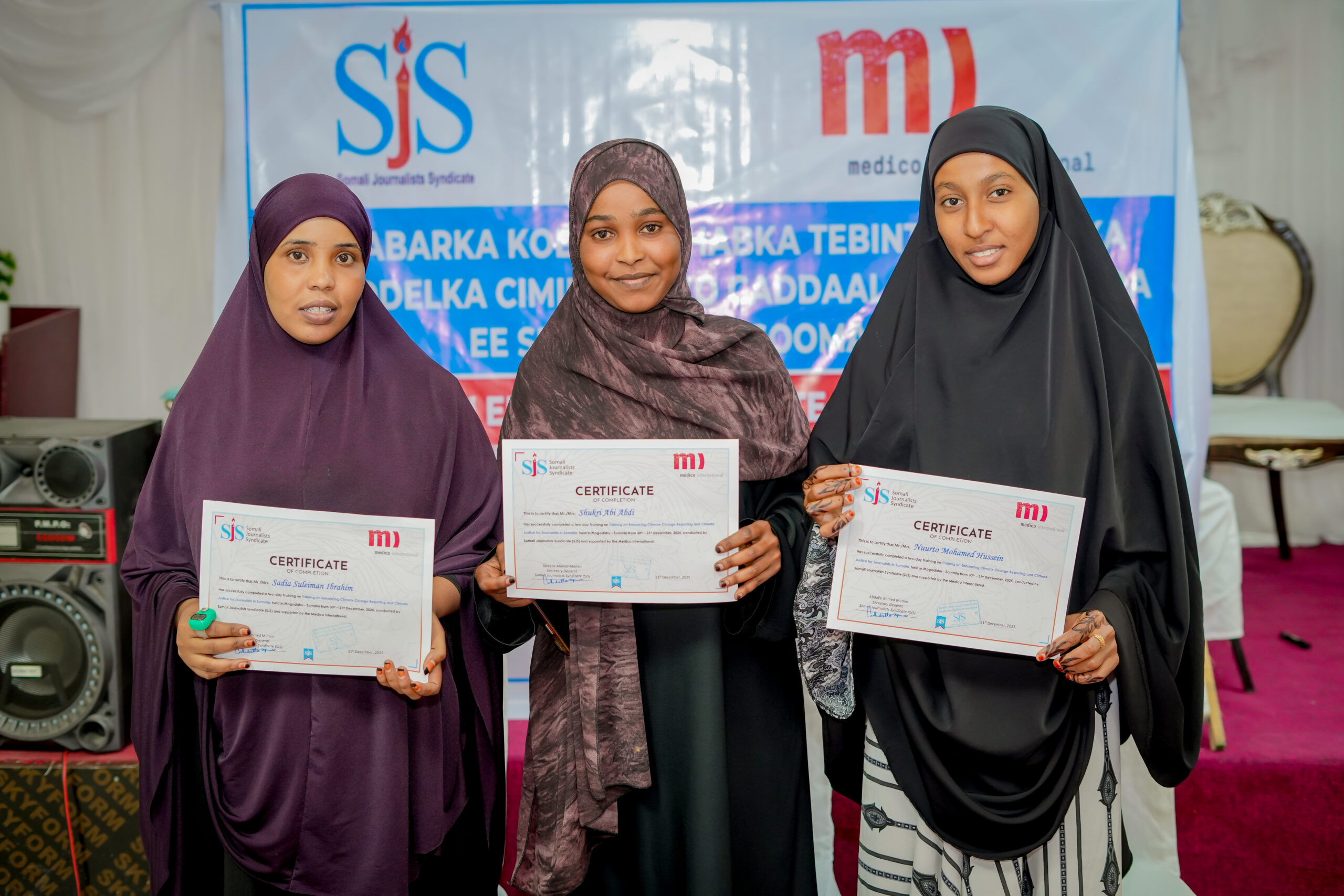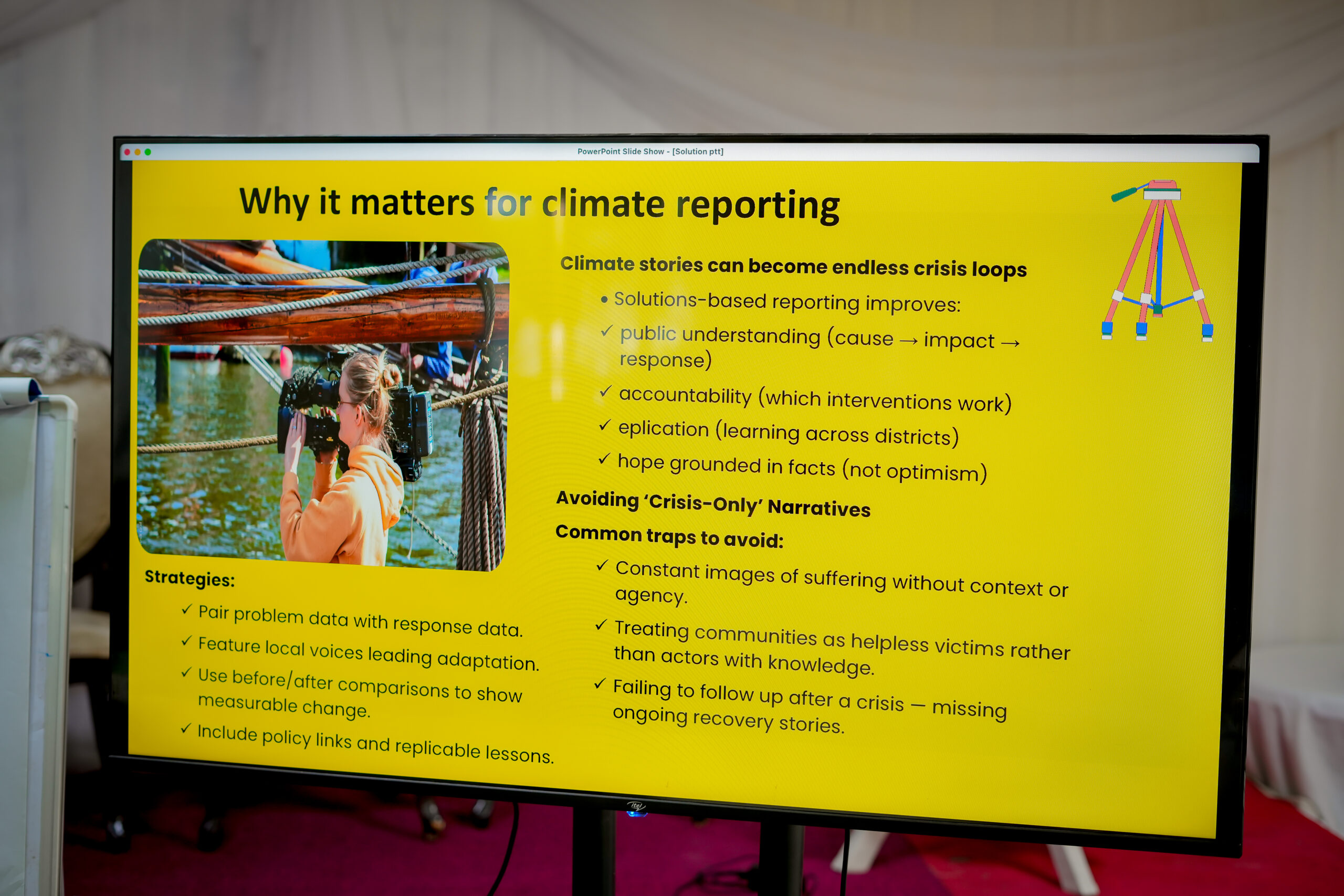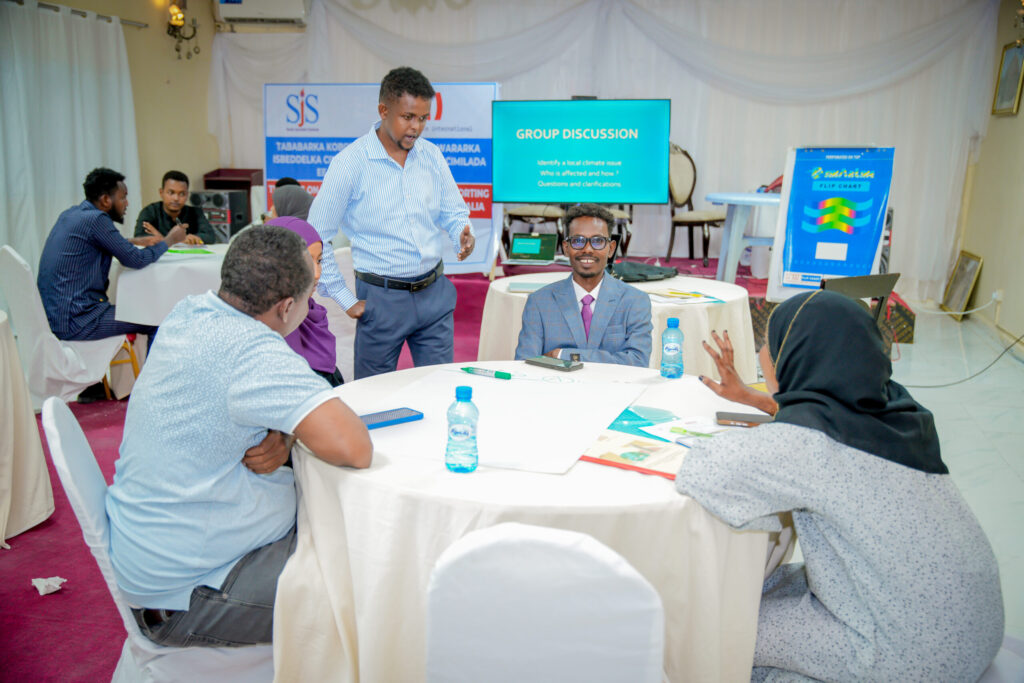


Mogadishu (Kaab TV) – The Somali Journalists Syndicate (SJS) has successfully concluded a two-day training on climate change and climate justice reporting, marking the launch of its two-year program aimed at building a cadre of climate-informed journalists in Somalia and Somaliland.
Supported by Medico International, the training was held in Mogadishu from 30–31 December 2025 and brought together 10 local journalists from Somalia and Somaliland, including those from areas severely affected by climate change. Thirty percent of the participants were women.
Nuura Mohamed Hassan, a reporter with Warsan Radio in Baidoa, Southwest State, shared how the training influenced her reporting.
“This training transformed how I approach climate reporting. I have moved beyond simply covering disasters to producing stories that connect climate impacts with governance, accountability, and practical solutions,” she said.
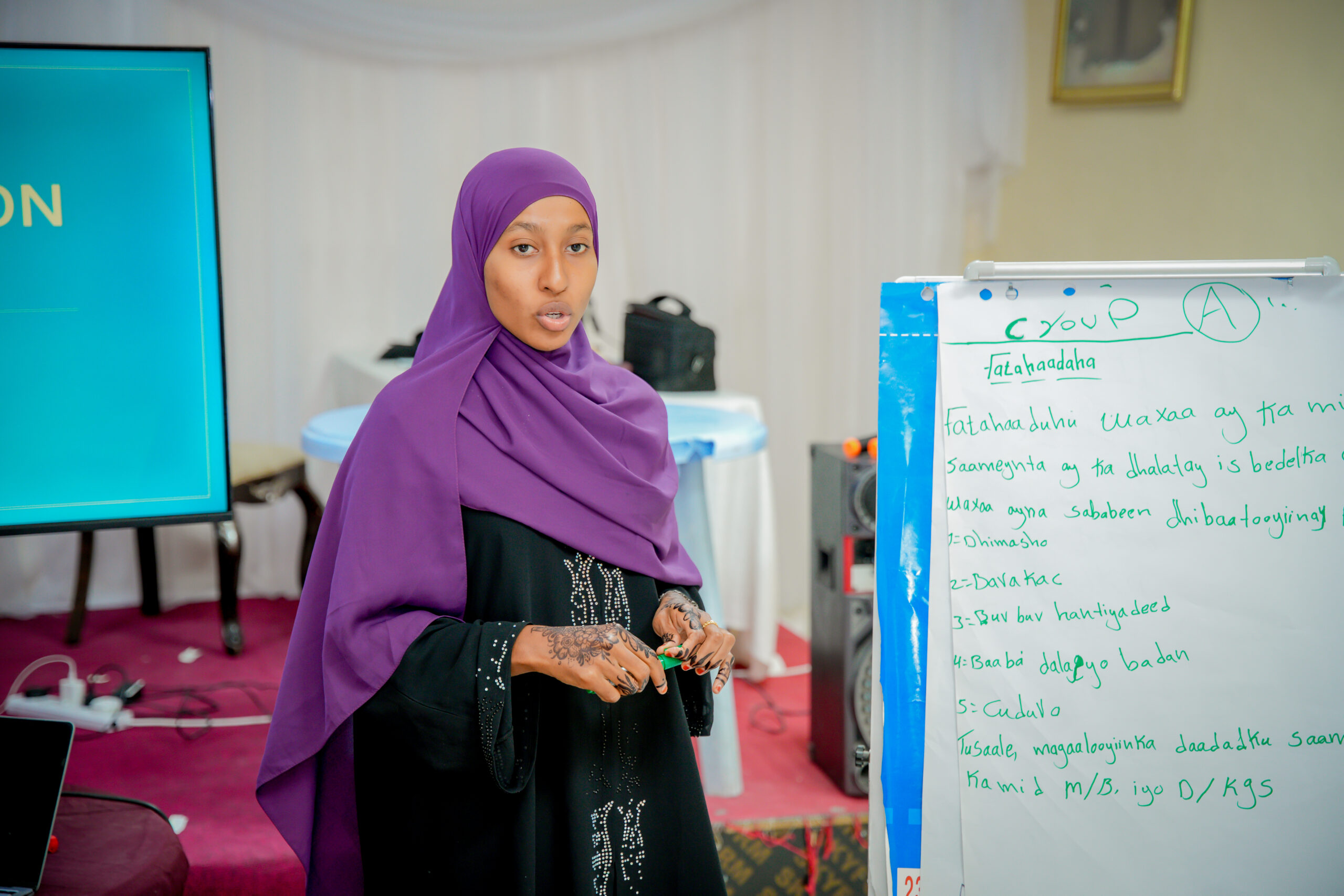

Shukri Abii Cabdi of Shabelle Media Network in Mogadishu highlighted the broader scope of climate reporting:
“Climate change reporting is ultimately about people and justice. This program equipped us with practical tools to question policies, track climate-related actions, and show how vulnerable communities are disproportionately affected.”
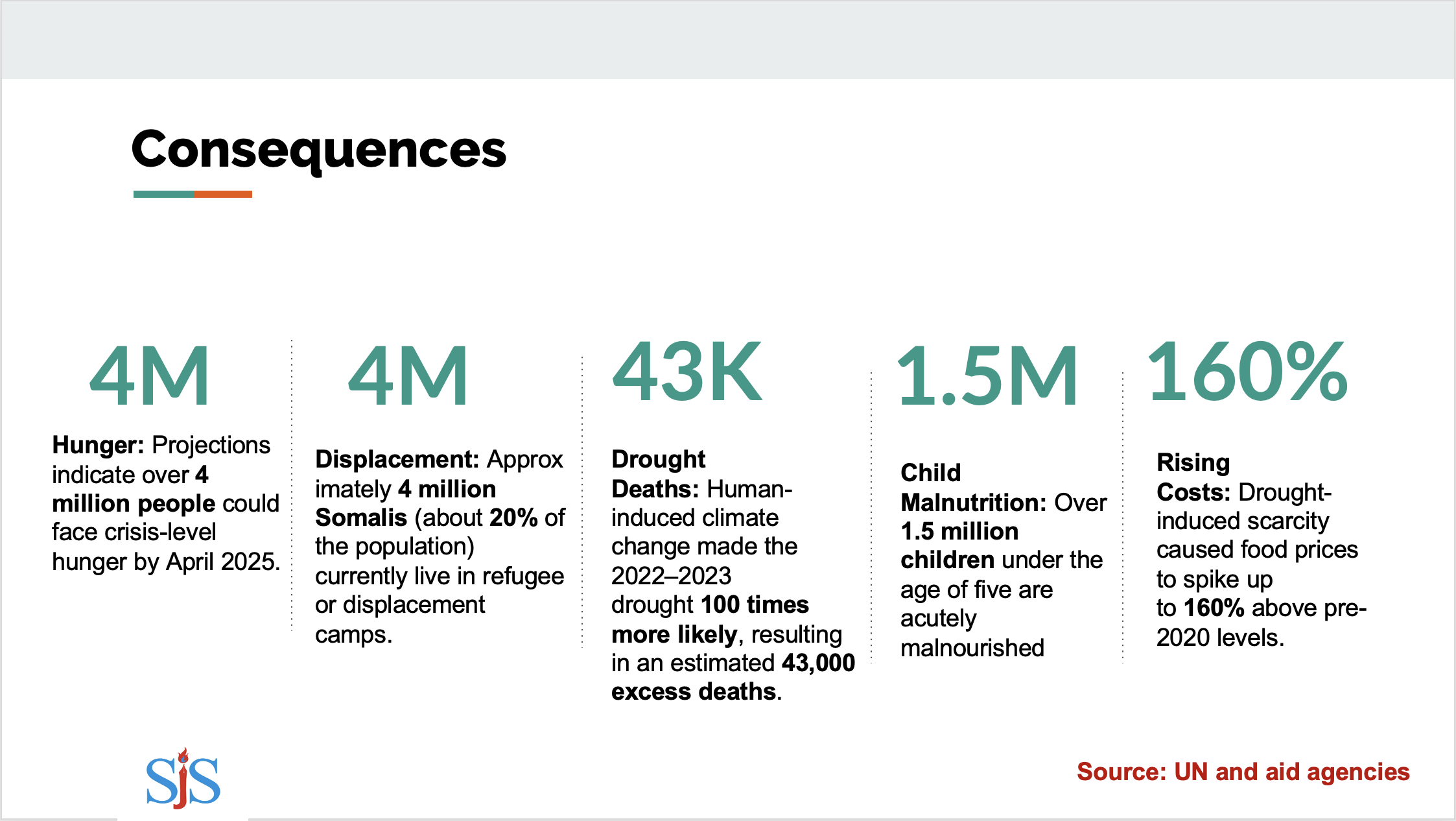
Somalia currently hosts nearly four million people—about 20 percent of the population—living in refugee or internally displaced persons (IDP) camps. Human-induced climate change made the 2022–2023 drought up to 100 times more severe, leading to an estimated 43,000 excess deaths.
Journalists in Somalia and Somaliland often operate on the frontlines of crises, including environmental disasters, under extremely challenging conditions. Limited safety, restricted access to information, lack of editorial support, and threats from powerful actors who benefit from environmental exploitation significantly constrain their ability to report effectively on climate issues.

Over the past two years, with support from Medico International, SJS has built a network of local journalists reporting on communities’ struggles to adapt to climate shocks.
This training directly responds to the challenges faced by Somali journalists. It aims to close knowledge gaps, enhance safety, and strengthen journalists’ professional capacity to deliver consistent, impactful coverage of climate change and climate justice. Over the next two years, the SJS program will build on earlier initiatives that have promoted journalist resilience, freedom of expression, and protection mechanisms.
SJS Secretary General Abdalle Mumin emphasized the broader significance of the initiative in contributing to global efforts to advance climate justice by empowering the most vulnerable communities to tell their stories and help shape solutions through media reporting.
“Climate change reporting is not just storytelling—it is about saving lives and providing communities with relevant information to guide their daily decisions,” said Abdalle Mumin.
He added, “Recurring droughts, severe floods, environmental degradation, and unpredictable rainfall continue to threaten livelihoods, food security, and stability. This underscores the critical need for informed, professional climate journalists to support public understanding and policy accountability. The training deepened participants’ understanding of climate change and climate justice while equipping them with practical skills to produce accurate, impactful reporting.”
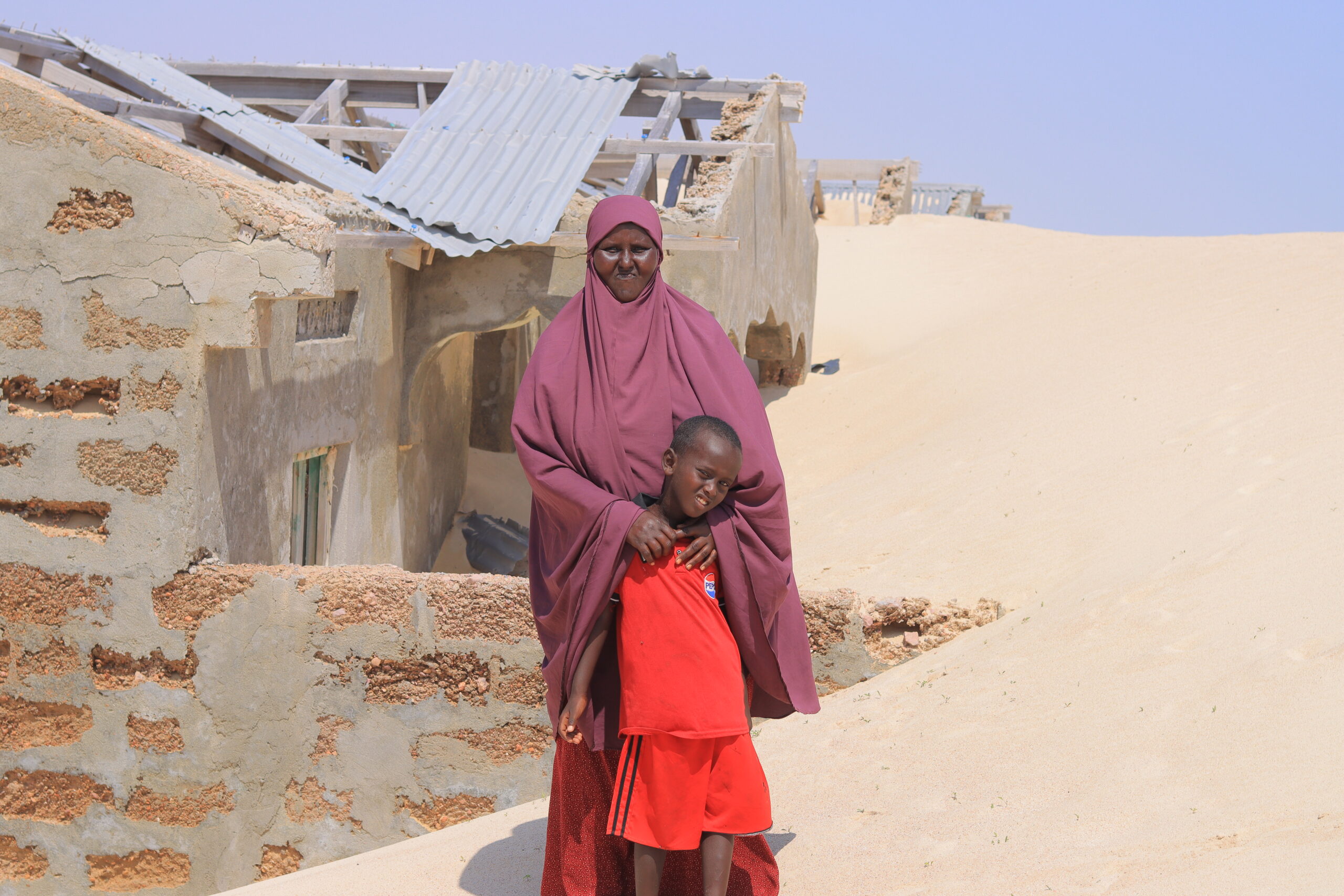
Following the training, participants will continue to receive ongoing mentorship, guidance, and support to strengthen their future climate reporting. Through this mentorship program, SJS aims to develop a strong network of climate-aware journalists capable of contributing meaningfully to public discourse and supporting climate resilience in Somalia and Somaliland.