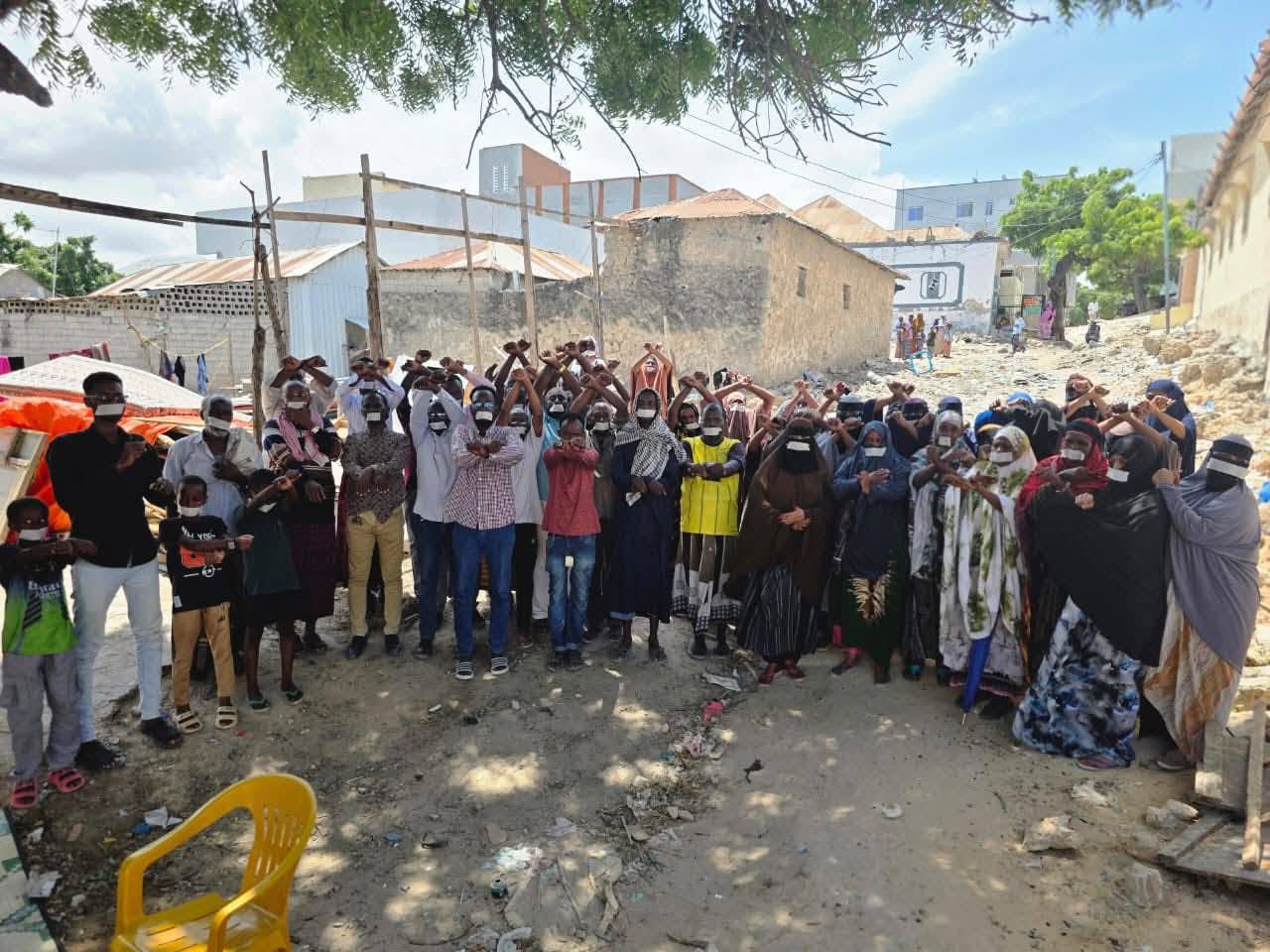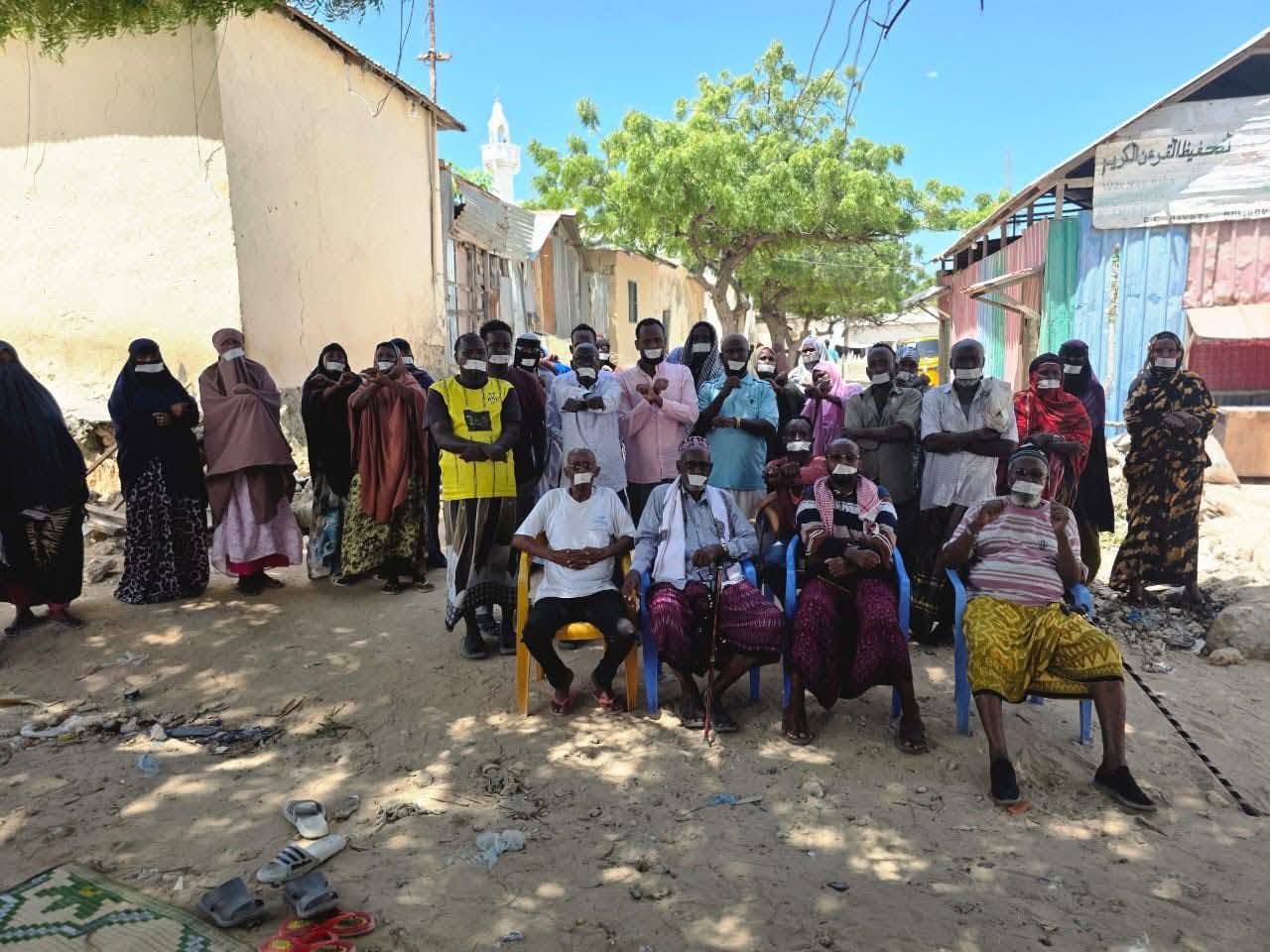


MOGADISHU (Kaab TV) – The Geeska Freedom Centre (GFC) has expressed deep concern over the continued detention of Isse Ali Farey, a 56-year-old father of seven living with a physical disability, who has remained in custody at Yaaqshiid Police Station in Mogadishu since his arrest on June 7 during a forced eviction operation in the Buulo Daa’uud neighborhood of Shibis district.
According to local residents and media reports, armed police officers accompanied by bulldozers entered the Buulo Daa’uud area at around 3:00 a.m. on Sunday and began demolishing homes, many of them built from iron sheets. Residents said some families had lived in the area for decades on formerly unoccupied public land, while others claimed to possess documents supporting their ownership or occupancy rights.
Family members told GFC that Isse Ali Farey protested against the demolition of his family’s home and spoke to local media, calling for intervention to stop the operation. Shortly afterward, a brief protest reportedly broke out within the community.
Local media reports indicate that Buulo Daa’uud has experienced repeated demolition and eviction operations in recent months, often triggering protests from affected residents, including vulnerable groups.
According to his family, police officers assaulted Farey during his arrest, allegedly striking him on the back before taking him into custody. Relatives attempting to visit him at Yaaqshiid Police Station were reportedly denied access.
As of June 9, Farey’s family said they had not been informed of any formal charges against him despite him spending three days in detention.
Following the demolition of their home, Farey’s family — consisting of nine members, including his wife and children — was displaced and forced to seek temporary shelter with relatives elsewhere in Mogadishu.

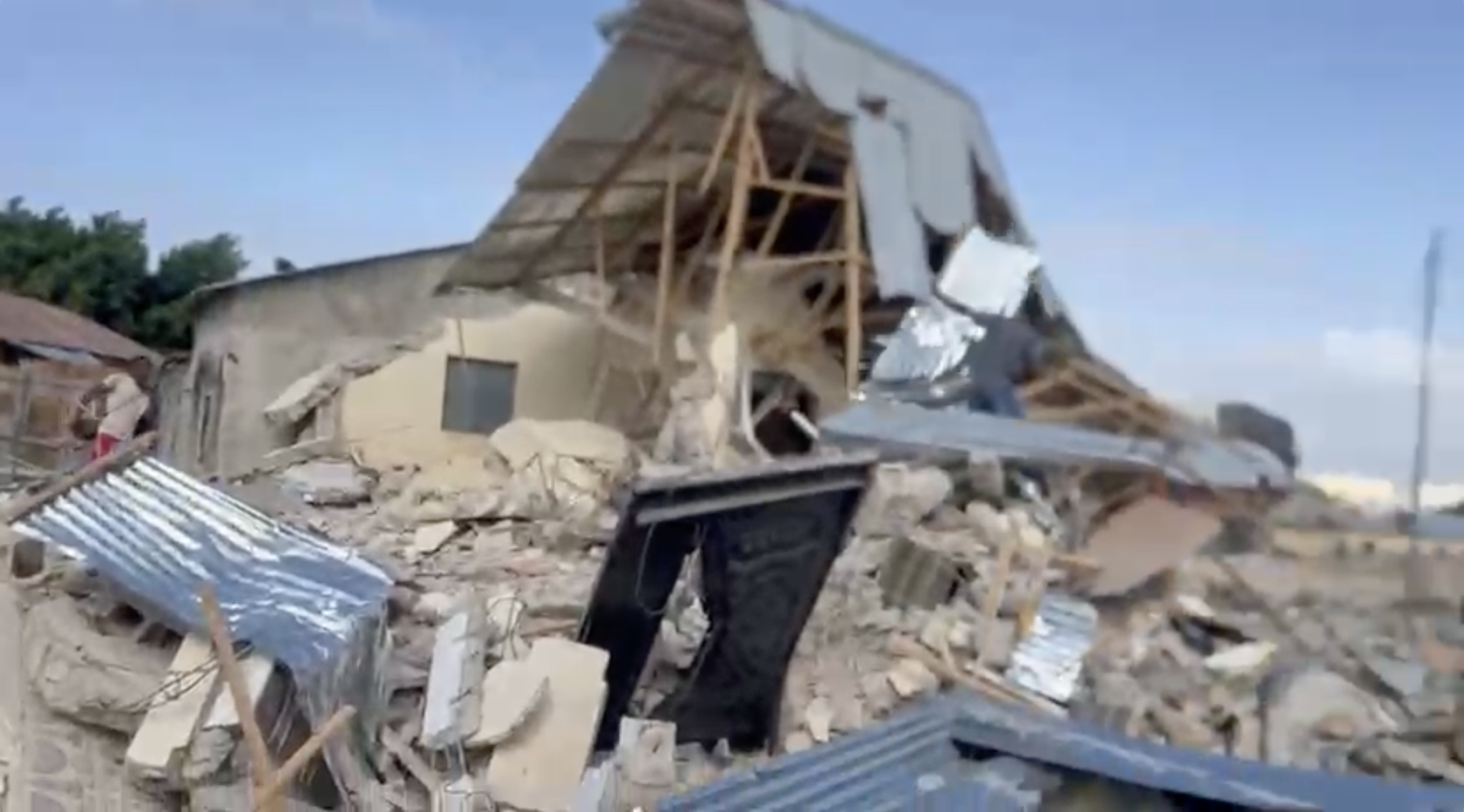
GFC stated that the eviction operation and subsequent arrest were reportedly carried out by officers from the Somali Police Force, including Shibis District Police Commissioner Masud Osobow.
The organization said it attempted to contact the police regarding the allegations but had not received any response.
GFC argued that the evictions in Buulo Daa’uud may violate both Somalia’s domestic legal obligations and international human rights law, particularly protections against arbitrary displacement and the right to adequate housing.
According to data documented by the Norwegian Refugee Council (NRC), more than 149,000 people were forcibly evicted from their homes in Mogadishu in 2025 alone, including over 9,400 individuals identified as vulnerable.
The rights group warned that forced evictions conducted without proper consultation, sufficient notice, legal protections, access to remedies, or alternative accommodation could amount to violations of international human rights standards. It added that such operations often have severe consequences for vulnerable populations, including persons with disabilities, children, women, elderly people, and low-income families.
GFC also raised concerns over the detention of Farey, arguing that his arrest after protesting the demolition of his home could infringe upon rights related to freedom of expression, peaceful assembly, liberty, and protection from discrimination.
The organization called on the Federal Government of Somalia and the Somali Police Force to immediately release Isse Ali Farey, allow him to reunite with his displaced family, and ensure he receives necessary medical care while in custody. GFC also demanded accountability for officers accused of assaulting him during the arrest.
Additionally, the rights group urged Somali authorities to suspend eviction operations that do not comply with national and international human rights obligations, including the ongoing demolitions in the Buulo Daa’uud area.
GFC stressed that Somali authorities must ensure meaningful consultation with affected communities before carrying out evictions, provide adequate notice, and guarantee access to legal remedies and appropriate alternative housing.
“The Somali government has a responsibility to ensure that all communities can live in safety and dignity, free from arbitrary displacement, unlawful detention, and violence,” the organization said, adding that protecting such rights remains a fundamental obligation under both national and international law.