


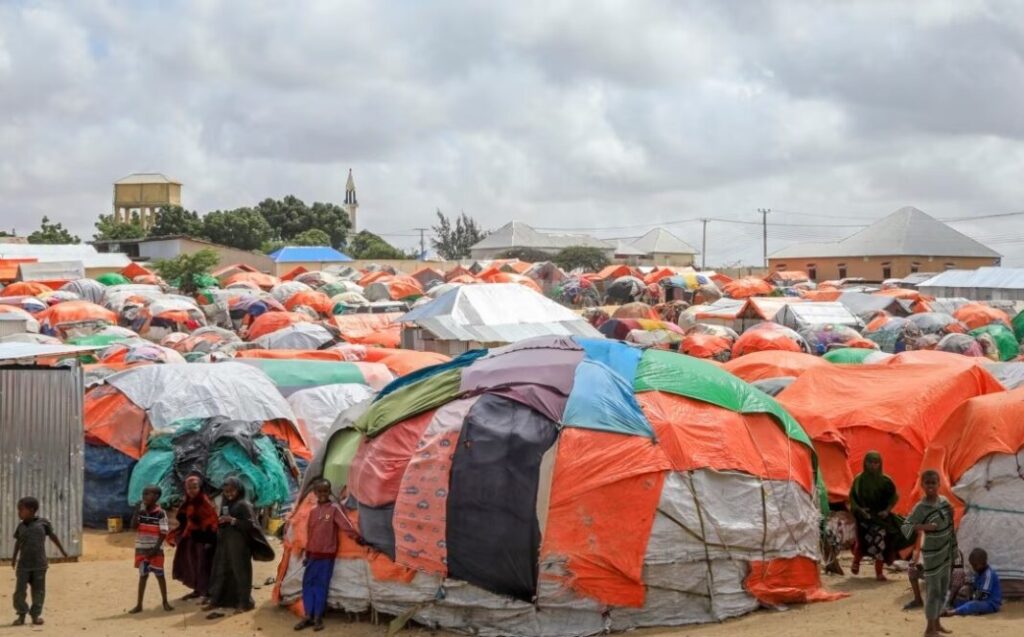


Hundreds of families who were displaced earlier this month from the elgal area of Qandala district, Bari region, are facing dire living conditions after heavy winds, rain and severe flooding hit the area.
These families, most of whom depended on livestock herding, farming and fishing for their livelihoods, said the disaster caused by the rains and floods severely damaged their way of life, forcing them to flee the areas where they lived.
Some of the displaced said the floods swept away the livestock they herded, while the farms they depended on were also damaged.
Fishing families likewise said they lost or had damaged the equipment they used for their work.
These people are now living in displacement camps, where they say there is a severe shortage of food, clean water and other basic services.
Some of those living in the camps said they sometimes receive limited assistance, but that it is not enough to meet the needs of the large number of families there.
The biggest problem facing these families is that they have lost the resources they depended on for their daily livelihoods.
Some of the livestock they herded died in the floods, while the farms they cultivated were damaged by the rains and flooding.
Fishing families are also facing difficult conditions, since fishing was one of the most important sources of their daily livelihood.
The crisis caused by the displacement has also affected the children of these families.
Many students accompanying their families are now missing out on the schooling they had previously been attending.
The families said their children have been without education since they were displaced from Ceelgaal, which they said could affect their children’s education and future.
The displacement has kept children away from the schools they used to attend, as families prioritize securing food, water and shelter.
The displaced said they want assistance to return to the areas from which they were displaced, if living and security conditions allow.
They said they lack the financial means to restart their lives, particularly since they lost the livestock, farms and work equipment they depended on.
The families also called for urgent support in food, water, shelter and other basic services, until a lasting solution is found.
A complaint regarding the situation of these families was forwarded to officials of the Puntland regional government, with the displaced calling on the administration to find a solution to their situation.
The families want at least resettlement and support to be provided to help them rebuild their daily lives, since it has proven difficult for them to restart on their own the things their livelihoods depended on.
The situation facing these families illustrates the impact that rains and floods can have on people whose livelihoods depend on livestock, farming and fishing.
Without adequate assistance and support, these families face additional risks related to food shortages, lack of water, lack of shelter, and children remaining out of school for extended periods.
Local residents are therefore calling for an urgent assessment of the displaced families’ situation and for adequate assistance to be delivered, while also stressing the importance of planning resettlement and how to support people in recovering the economic resources they depended on.