


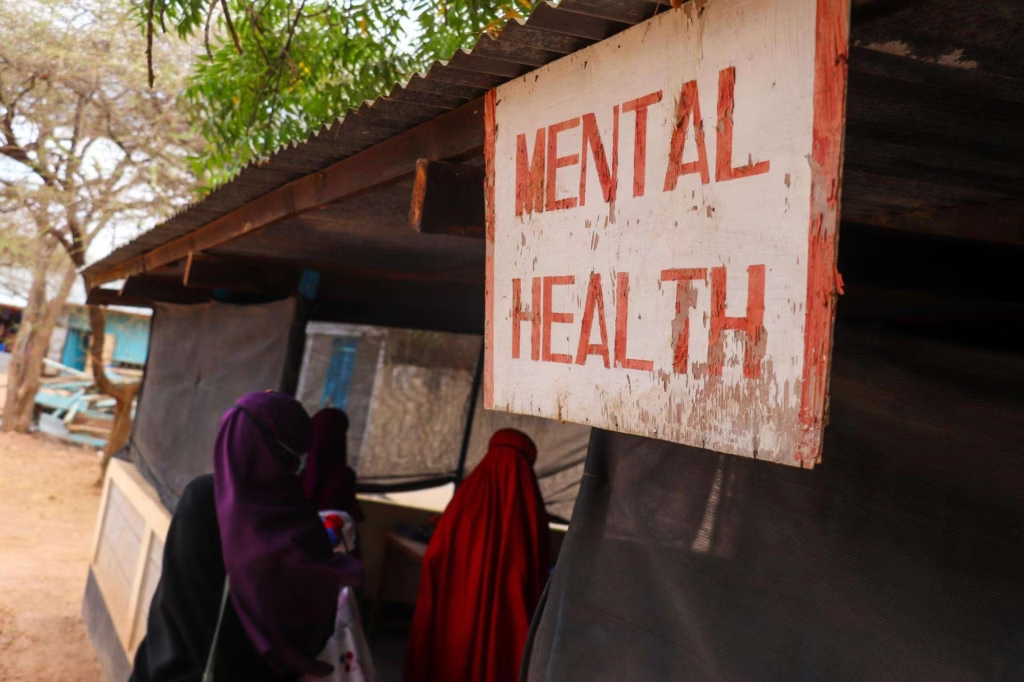


GARISSA (KAAB TV) – In the sprawling refugee complex of Dadaab, thousands of people who fled war, famine and persecution live in limbo.
Among them are hundreds — perhaps more — of individuals suffering from serious mental illness, left unsupported by health systems, isolated by their families and, in many heartbreaking cases, physically restrained, abandoned or locked away.
Inside the three-camp expanse of Dadaab (including Dagahaley Refugee Camp, Hagadera Refugee Camp and Ifo Refugee Camp) the burden of trauma and mental disorders is acute.
According to aid groups, the number of consultations for psychosocial distress has soared by 50 % or more.
A report from local news outlet Wardheer News reveals:
“Hundreds of people with mental illnesses … are being locked up, left to roam, or otherwise abandoned in the Somali refugee camps in Dadaab…”
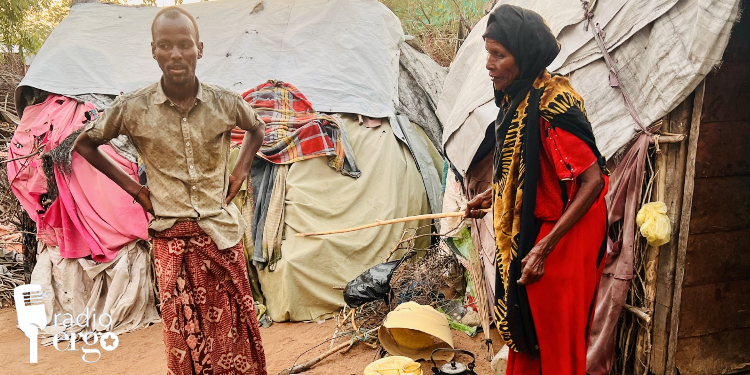
The story of one family brings the crisis into sharp relief: two brothers, Ali Isaaq Ali (40) and Mohamed Isaaq Ali (35), both unmedicated and untreated, are being cared for by their elderly 70-year-old mother. The mother says that one son is locked away in a crude shelter, tied up under a tree; the other wanders the hut, neglected.
Many refugees arrived after witnessing extreme violence, loss of family, and enduring the hardships of displacement. Such trauma is a major contributor to severe mental-health problems in the camp.
Clinics exist, for example the mental-health wing run by Médecins Sans Frontières (MSF) in Dagahaley, but the services are largely outpatient, with virtually no capacity for inpatient care or long-term psychiatric treatment.
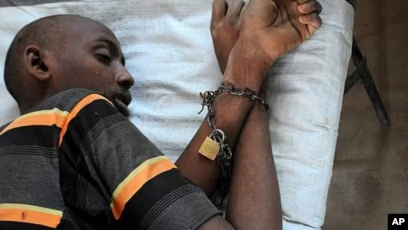
Where there is no safe, accessible treatment, families often resort to chaining, locking or isolating relatives with severe mental illness — seen by some as a protective measure when the person becomes violent or wanderers.
For instance:
“These patients … are those ones that somebody can see they want to fight back, they want to run away and they are in chains.” — psychologist in Dadaab.
With reductions in food rations, employment bans and little hope of durable solutions, the psychological strain is worsening. In Dagahaley, there were multiple suicide attempts linked to the relentless despair.
The practise of chaining or locking persons with mental illness is flagged as a serious human rights violation. Campaigners say it further compounds the illness, inflicts physical trauma and deepens exclusion.
In one case, MSF reports a young woman living with schizophrenia who was chained to her house by her brother because she repeatedly wandered into the market and had been raped — he claimed the chain was to protect her from further abuse.
The limited outpatient model isn’t sufficient for persons with severe and chronic disorders. Funding to expand beds, trained personnel and psychiatric medications is critical.
Cultural beliefs around mental illness and lack of skills mean many carers do not know alternative practices to chaining. Community-based psychosocial programmes can change narratives and provide better coping mechanisms.
Kenyan authorities and refugee agencies must institute safeguards against inhumane treatment of persons with disabilities; ensure that restraint is only used in strictly defined emergency situations, and even then minimally.
The absence of durable solutions — resettlement, integration, return — fuels despair. Without avenues for a future, mental-health burdens will only rise. The languishing of asylum status and aid cuts must be addressed.
“The reason he’s locked up is that he tries to kill me… He has never received any medical attention… I have no money for medical treatment, I’m old and I cannot cope.” — Mother in Dadaab caring for two ill sons.


“In Dagahaley, the number of attempted suicides is rising… the meagre humanitarian assistance they depend on has been further reduced amid donor concerns of widening funding gaps.” — MSF report
What is happening in Dadaab is not simply a medical concern — it is a profound moral test. If individuals with mental illness in the world’s largest refugee complex are left chained, alone and untreated, we risk consigning entire lives to misery and violation.
The world watches as children of war and disaster — already survivors — are re-victimised by neglect. The question is: will the humanitarian, health and government systems currently in place move fast enough to restore dignity, treatment and hope?