




The United Nations Office for the Coordination of Humanitarian Affairs (OCHA) in Somalia has expressed deep concern over the humanitarian and security situation in the city of Baidoa, noting that clashes that occurred in the city during August and September have severely impacted civilians and basic services.
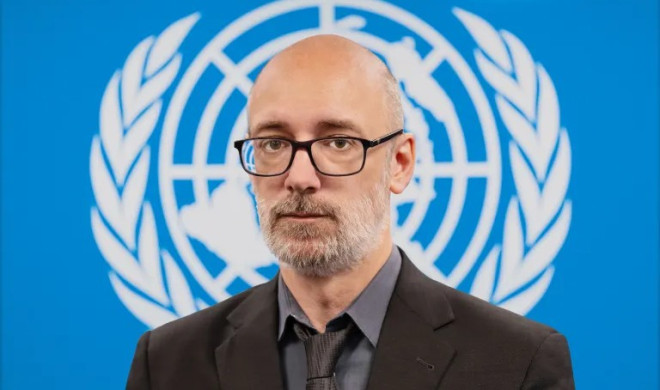
The Humanitarian Coordinator for Somalia, George Conway, stated that the conflicts in Baidoa have escalated insecurity and generated additional threats to civilian safety.
According to OCHA’s statement, the conflict has also triggered fresh displacement, with many families facing acute hardships concerning access to shelter, food, healthcare, and other vital services essential for community survival.
The OCHA statement highlighted that women, children, the elderly, and persons with disabilities are particularly vulnerable to the fallout of the conflict.
These groups face heightened challenges regarding their protection, access to humanitarian assistance, and freedom of movement.
George Conway noted that recurring displacement undermines families’ resilience against severe conditions, especially at a time when Baidoa was already struggling with high rates of child malnutrition.
OCHA urged all parties involved in the conflict to prioritize the protection of civilians and uphold international humanitarian law.
The agency emphasized that parties must take proactive measures to prevent harm to the civilian population.
The United Nations also called for prompt and impartial investigations into reports of civilian casualties, placing special importance on ensuring civilian safety and demanding accountability for incidents resulting in civilian losses.
OCHA stated that conflict-affected populations must be allowed safe access to humanitarian assistance and essential services.
Aid agencies were also urged to receive secure access to reach people in need of support.
George Conway emphasized that schools and other civilian facilities must be protected from the impact of combat.
He also noted that hospitals and medical centers enjoy special protection afforded by international humanitarian law.
Humanitarian organizations stated that they will continue efforts to deliver life-saving aid to those affected by the conflict.
Nevertheless, they called upon the warring parties to ensure the security of aid workers and humanitarian assets.
OCHA also stressed the need to facilitate access to affected populations so that assistance can be delivered safely, swiftly, and without impediment.
Consequently, the situation in Baidoa remains a source of deep concern for humanitarian organizations, which warn that if the conflict and displacement continue, the plight of already vulnerable families could deteriorate further.