


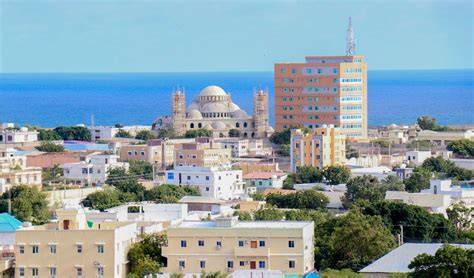


Residents of Mogadishu are calling on the Banadir Regional Administration to take urgent action to address worsening infrastructure and sanitation challenges, including deteriorating roads, uncollected garbage, poor drainage systems and the public health risks associated with environmental neglect.
Many roads across the Somali capital remain damaged or poorly maintained, creating major transportation difficulties for motorists, pedestrians and public transport operators.
The situation becomes particularly severe during the rainy season, when flooded streets and potholes disrupt traffic and limit access to homes, businesses and essential services.
Local business owners say deteriorating road conditions have negatively affected commercial activity, while residents argue that infrastructure upgrades have largely focused on major roads, leaving many residential neighborhoods without adequate maintenance.
Citizens are calling for a comprehensive road rehabilitation plan that includes both primary and secondary streets throughout the city.
Waste management has also emerged as a growing concern.
In several districts, piles of garbage remain uncollected for extended periods, contributing to unpleasant odors, environmental pollution and the spread of insects and rodents that can carry disease.
Residents say irregular waste collection services have left many communities struggling with unsanitary conditions.
Flooding caused by inadequate drainage infrastructure continues to be another major challenge.
Blocked or insufficient drainage channels often prevent rainwater from flowing away efficiently, resulting in stagnant water accumulating on roads, in neighborhoods and sometimes inside homes and businesses.
The problem is compounded when garbage is dumped into drainage systems, causing further blockages.
Public health experts warn that stagnant water and poor sanitation create conditions that can increase the risk of disease outbreaks, particularly among children, the elderly and other vulnerable groups.
Residents have urged authorities to prioritize drainage maintenance and sanitation campaigns before the onset of seasonal rains.
Mogadishu has experienced rapid population growth and urban expansion over the past decade, placing increasing pressure on public infrastructure and municipal services.
While several development projects have been undertaken in parts of the city, many residents believe the pace of improvement has not matched the growing needs of the population.
Citizens are now calling for a long-term urban development strategy backed by transparent budgeting, stronger accountability and sustained investment in roads, sanitation and drainage infrastructure.
They argue that improving these basic services is essential to transforming Mogadishu into a cleaner, healthier and more livable city for its residents.