




Mogadishu (Kaab TV) – Residents of Mogadishu neighborhoods who are unable to pay taxes collected by the Ministry of Finance and local municipalities are now being forced to pay additional fees.
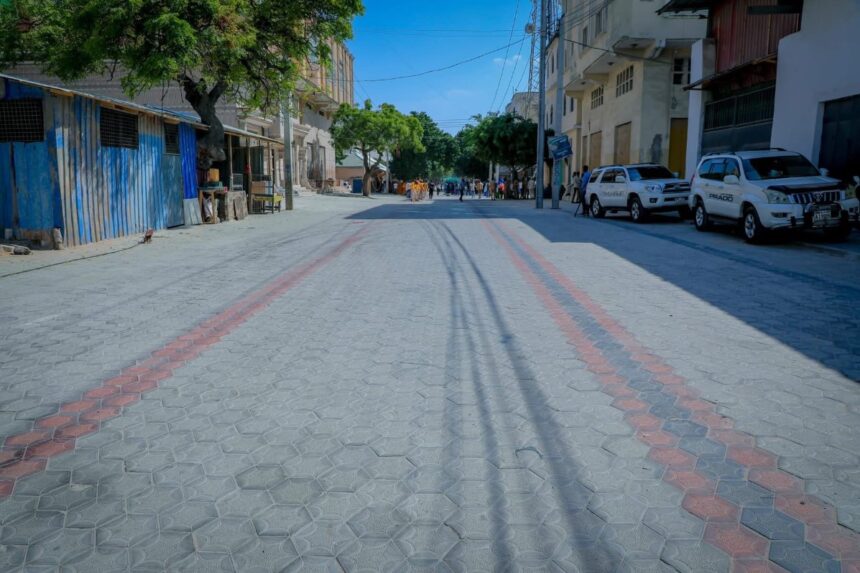
They are told that the fees are for covering roads in their neighborhoods with interlocking stones, which has become both a burden and a source of frustration for people already struggling to survive.
If district governors and the companies responsible for installing the interlocking stones are organizing this scheme, and if the agreement is to force residents to pay more than expected, it is crucial to understand why these officials are taking such actions.
At the core, this appears to be the misuse of governmental power by individuals prioritizing personal gain over public service responsibilities.
The Banadir regional administration and local government cannot ignore this issue. Yet, roads are being constructed, and fees are being demanded from vulnerable residents living in slums—people who have no steady income, whose homes are at risk, and who rely on government support for basic survival.
Residents are reportedly being pressured to pay between $1,000 and $2,000 for roads that, according to official statements, are funded by international organizations.
These funds are said to be deposited into special accounts, raising questions about why locals are being charged directly.
Affected residents have expressed fear and frustration, reporting that district governors threaten imprisonment for those who cannot pay—an action that has reportedly occurred in the past. Many have told the media that they cannot afford such exorbitant fees.
The most pressing challenge for the people of Mogadishu today is accessing the money they need for basic survival: money that is unpaid wages, money that should be provided for work, and money that could lead to imprisonment if missing.
If local and central governments fail to take responsibility for protecting the livelihoods of the capital’s residents and addressing their hardships, this neglect will inevitably breed distrust, anxiety, and further suffering.
It is essential for residents to voice their concerns and complaints peacefully. Likewise, both local and central governments must recognize their duty to respond, ensuring justice for the many non-tax fees that are crippling ordinary citizens.
The aesthetic improvement of streets should not come before the basic needs of parents struggling to feed their children and pay rent.