


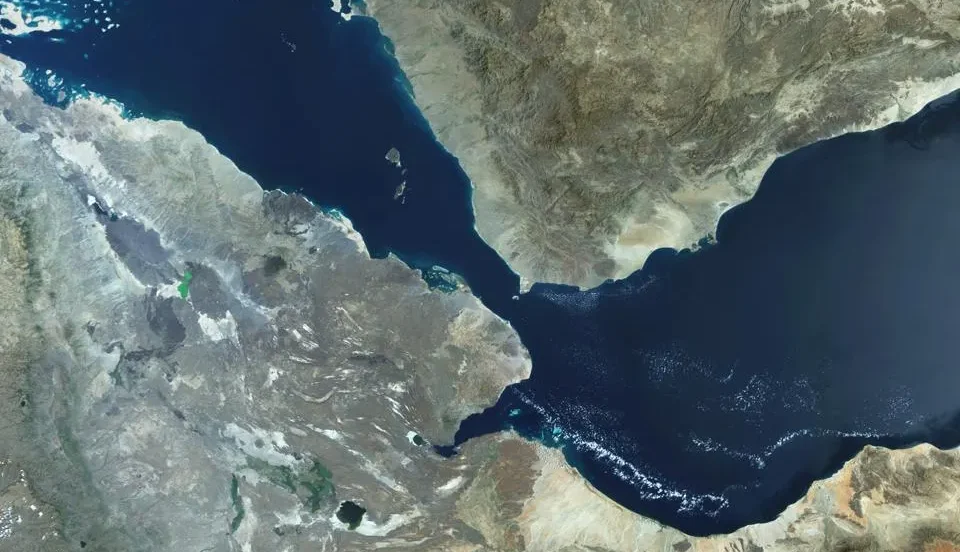


Several oil tankers have altered their routes in the Red Sea after Yemen’s Iran-backed Houthi movement announced a naval blockade of the Bab al-Mandeb Strait, raising fresh concerns that one of the world’s most important maritime trade corridors could face major disruption, according to Forbes.
Citing Reuters, Forbes reported that at least seven oil tankers have changed course in recent days after receiving warnings linked to the Houthis.
Four tankers reportedly diverted away from the Bab al-Mandeb Strait on Wednesday, while three others bound for India and China turned around a day earlier, opting for longer and more expensive alternative routes.


According to Forbes, a vehicle carrier operated by Chinese shipping giant COSCO also reversed course in the Gulf of Aden after receiving an email warning from Houthi forces instructing it to stop sailing toward Saudi Arabian ports.
The incident has heightened concerns among commercial shipping companies operating in the region.
The developments follow the Houthis’ announcement earlier this week that they were imposing a blockade on the Bab al-Mandeb Strait, just days after reports indicated the group had deployed missiles and drones near the strategic waterway.
Despite the threats, Forbes noted that there have so far been no confirmed attacks on commercial vessels in either the Bab al-Mandeb Strait or the Red Sea.
According to Forbes, the latest tensions come amid heightened confrontation between the United States and Iran. Reuters previously reported that Tehran had asked the Houthis to prepare to close the Bab al-Mandeb if Washington launched strikes on Iran’s critical infrastructure.
Sources told Reuters that the Houthis had positioned missiles and drones capable of targeting ships in the Red Sea and were awaiting further instructions.
Adding to the growing international concern, U.S. Secretary of State Marco Rubio said the Houthis had been “suckered” by Iran into escalating attacks on Red Sea shipping.
“The Houthis largely were smart and stayed out of all this throughout the conflict, but they now apparently have gotten themselves suckered into this, going after Saudi Arabia and their ships,” Rubio said on the sidelines of a Southeast Asian summit in Manila.
Rubio’s remarks reinforce Washington’s view that Iran is encouraging its regional allies to expand the conflict by threatening key international shipping routes, further increasing tensions in one of the world’s busiest maritime corridors.
Forbes also highlighted earlier statements by Ali Akbar Velayati, a senior adviser to Iran’s leadership, who suggested that the Bab al-Mandeb Strait should be viewed in the same strategic manner as the Strait of Hormuz.
Although Iran does not border Bab al-Mandeb, it maintains close ties with the Houthis, who control much of Yemen’s Red Sea coastline and have previously launched attacks on Israel-linked vessels during the Gaza conflict.
The Bab al-Mandeb Strait is considered one of the world’s most strategically important maritime chokepoints.
According to Forbes, citing the U.S. Energy Information Administration, around 4.1 million barrels of petroleum products passed through the strait each day in 2024.
The waterway also links the Suez Canal, the Red Sea, and the Indian Ocean, carrying roughly 12% of global trade.
Shipping disruptions in the area could significantly affect global energy markets and international commerce, particularly oil exports from the Middle East to Asia.
Forbes noted that analysts believe any prolonged disruption at Bab al-Mandeb would increase shipping costs, delay cargo deliveries, and place additional pressure on global oil prices.
Although the Houthis have not yet attacked vessels in the Bab al-Mandeb Strait during the current standoff, according to Forbes, regional security analysts believe the group possesses both the capability and the intent to expand its maritime campaign if tensions between Iran, the United States, and their regional allies continue to escalate.