

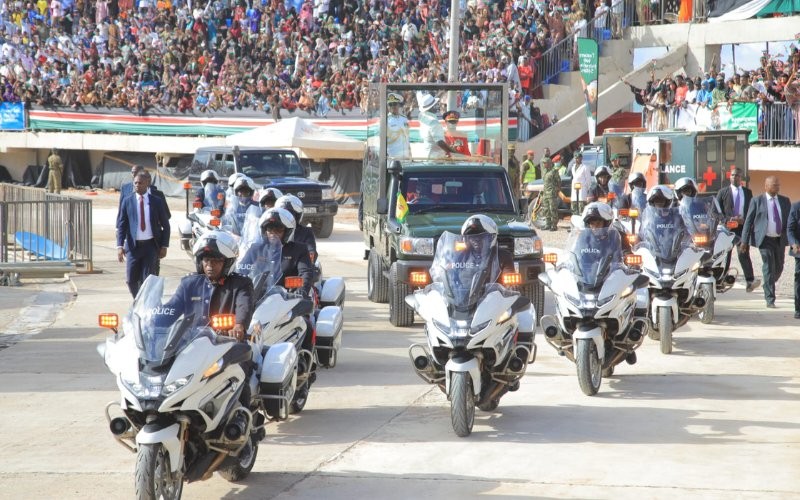

WAJIR (Kaab TV) – Kenyan President William Ruto on Monday led the country’s national Madaraka Day celebrations in Wajir County, marking a historic first for Kenya’s North Eastern region.
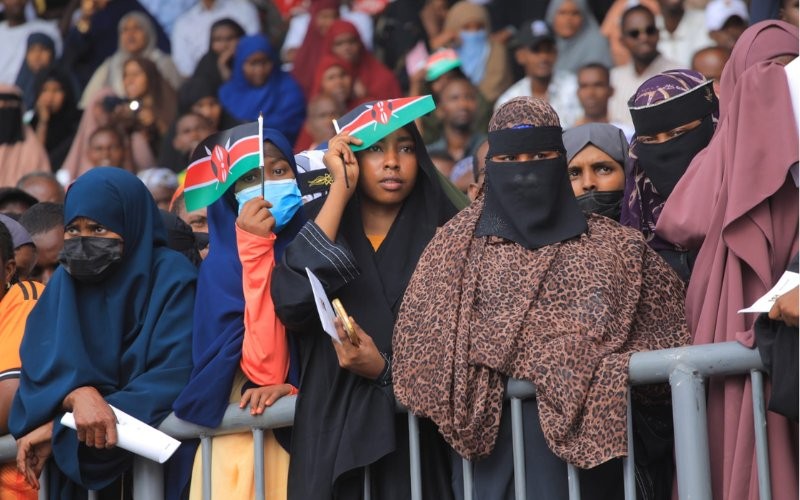
The 2026 national Madaraka Day celebrations were held at the newly constructed 10,000-seat Wajir Stadium and attended by senior government officials, diplomats, security chiefs, religious leaders, and thousands of residents from across the country.
This year’s event marked the first time since Kenya gained independence that the North Eastern region hosted the national celebrations, a move widely viewed as part of efforts to promote inclusion, regional development, and national unity.

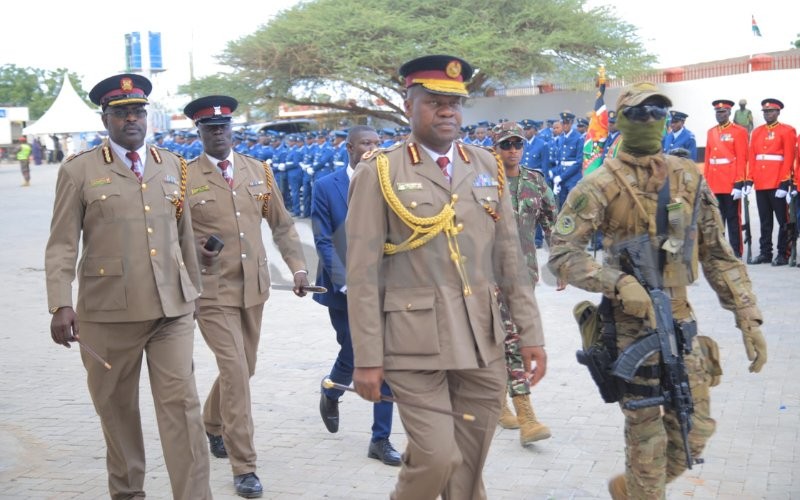
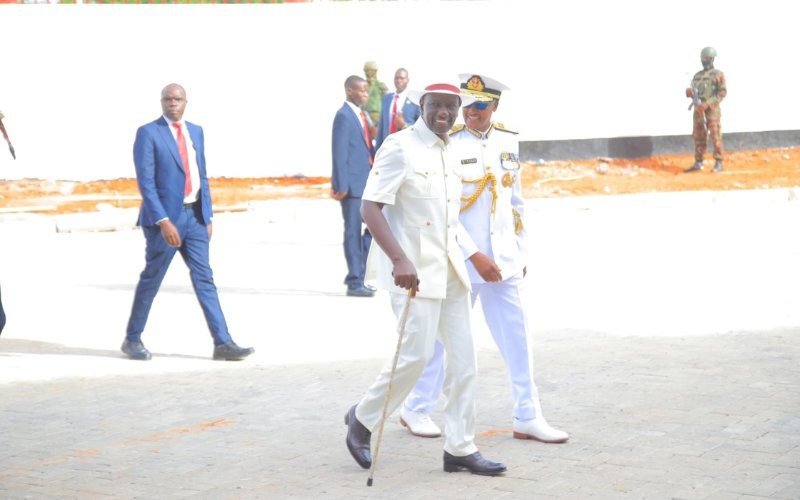
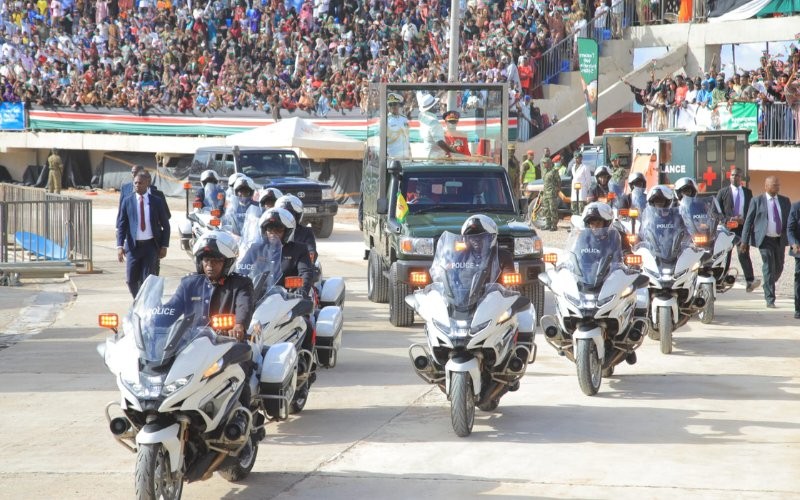
President Ruto inspected a military parade and later addressed the nation, focusing on economic reforms, infrastructure development, youth employment, and national cohesion.
He also highlighted government investments in historically marginalized regions, particularly northern Kenya, saying the decision to hold the celebrations in Wajir reflected the government’s commitment to equitable development across all counties.
The president praised Kenya’s security agencies for maintaining stability and strengthening border security, especially in areas near the frontier with Somalia, where Kenyan forces continue counterterrorism operations against threats linked to Al-Shabaab militants.
Madaraka Day, celebrated annually on June 1, commemorates the day Kenya attained internal self-rule from British colonial administration in 1963 before achieving full independence later that year.
The holiday is traditionally marked by military displays, cultural performances, and presidential speeches reflecting on the country’s achievements and future direction.
This year’s celebrations come at a time when Kenya continues to face economic challenges, political debate over government policies, and regional security concerns, while also pursuing major infrastructure and development projects under President Ruto’s administration.
Analysts say hosting the national celebrations in Wajir carries symbolic political significance, particularly for a region that has historically complained of marginalization and underdevelopment despite its strategic importance to Kenya.