

NAIROBI (Kaab TV) – Kenya has formally designated the Muslim Brotherhood-affiliated Al-Islah movement and Hizb ut-Tahrir as terrorist organizations, placing them in the same category as Al-Shabaab and other outlawed militant groups.
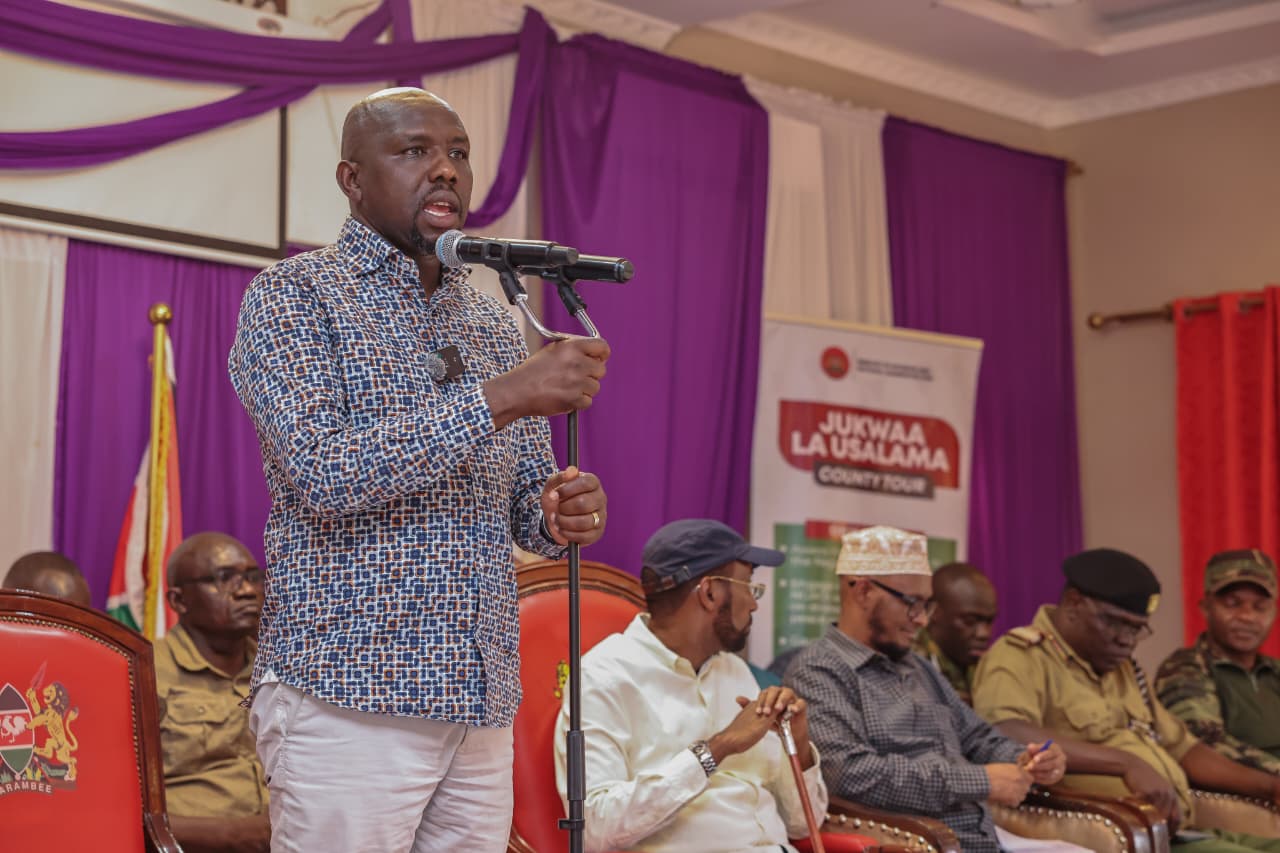
The decree was announced by Interior and National Administration Cabinet Secretary Kipchumba Murkomen in Kenya Gazette Supplement No. 157, published on September 19, 2025, under the Prevention of Terrorism Act.
The order criminalizes membership, financing, association, or propaganda in support of the two groups.
Al-Islah, which operates through factions known as Dam Jadiid (New Blood) and Dam Qadiim (Old Blood), has already been banned in most Arab countries, though it continues to wield influence in Qatar and Turkey.
In Somalia, the group holds considerable sway, with strong networks across government institutions, businesses, universities, and private companies.
Somali President Hassan Sheikh Mohamud, Prime Minister Hamza Abdi Barre, and several cabinet ministers are known to have ties to Al-Islah — a designation that now risks straining relations between Nairobi and Mogadishu.
While neither the Muslim Brotherhood nor Hizb ut-Tahrir has carried out major attacks in Kenya, intelligence agencies have long flagged them for radicalization, clandestine recruitment, and links to global terror networks.
Kenya is the first East African country to outlaw the Brotherhood, joining nations such as Egypt, Saudi Arabia, the UAE, Bahrain, and Russia, which have already blacklisted it.
Founded in Egypt in 1928, the Brotherhood is widely regarded as the ideological fountainhead of modern political Islam.
Kenya’s decision comes amid persistent insecurity linked to Somalia’s al-Qaeda affiliate Al-Shabaab, blamed for deadly attacks including the 2013 Westgate Mall siege, the 2015 Garissa University massacre, and the 2019 DusitD2 hotel bombing.
Officials say the ban strengthens Kenya’s counterterrorism framework, giving security agencies wider powers to disrupt extremist networks.
It also underscores the country’s role as a frontline state in the global fight against terrorism.