




IRAN (Kaab TV) – Diplomatic tensions between Iran and the United States continue to escalate as Tehran reportedly proposed new conditions tied to the reopening and security of the strategically vital Strait of Hormuz.
According to diplomatic sources, Iranian officials have suggested that any agreement related to the Strait of Hormuz would require the United States to first provide compensation to Iran. Tehran has also reportedly demanded that negotiations on easing economic sanctions and releasing billions of dollars in frozen Iranian assets take place before any final agreement is signed.
The Strait of Hormuz is considered one of the world’s most critical maritime trade routes, with nearly a fifth of global oil shipments passing through the narrow waterway every day. Any threat to shipping in the area has the potential to disrupt global energy markets and increase international oil prices.
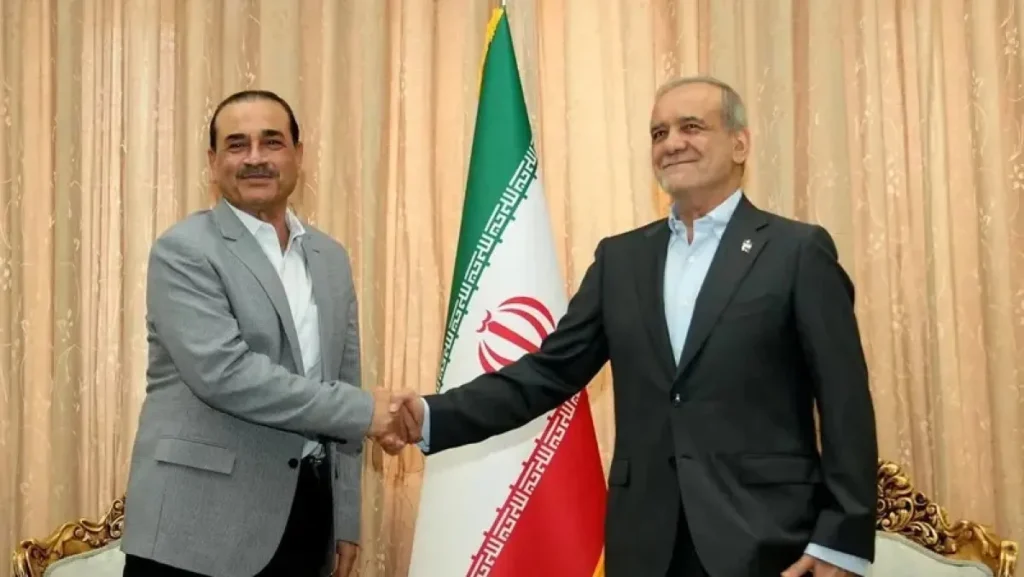
”The recent visit of Pakistani Army Chief Asim Munir to Tehran was intended to facilitate the exchange of messages between Iran and the United States amid ongoing regional tensions,” said Iranian Foreign Ministry spokesperson Esmaeil Baghaei during a press briefing today.
The diplomatic maneuvering comes at a time of growing fears of military escalation in the Middle East. U.S. media outlets Axios and CBS News recently reported that Washington is considering possible new military strikes against Iran if negotiations collapse. American officials have repeatedly stated that military action remains an option should diplomatic efforts fail.
Relations between Iran and the United States have remained strained for years due to disputes over Iran’s nuclear program, regional influence, sanctions, and maritime security in the Gulf region. Since the U.S. withdrawal from the 2015 nuclear agreement, tensions have repeatedly escalated through sanctions, military threats, and confrontations involving shipping routes in the Gulf.
Regional powers are also increasingly becoming involved in mediation efforts to prevent further escalation. Meanwhile, Donald Trump held a phone conversation today with the Amir of Qatar, Tamim bin Hamad Al Thani. According to the Qatari royal court, the Amir expressed support for “all efforts aimed at reducing tensions through diplomatic dialogue.”
Analysts warn that any collapse in negotiations or military confrontation involving the Strait of Hormuz could have serious consequences not only for the Middle East but also for global trade, energy supplies, and international security.