


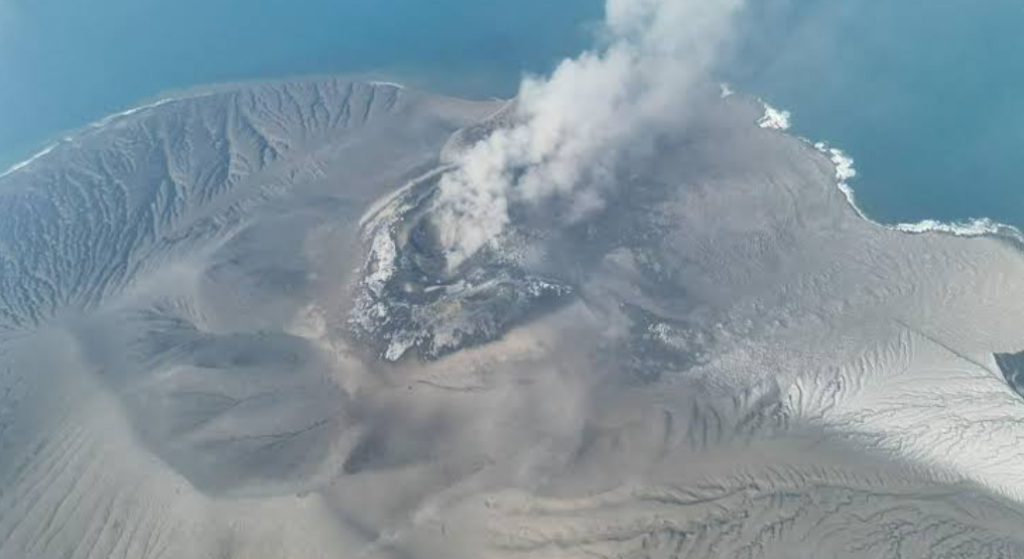


Indonesia is facing one of its most significant volcanic events in recent days after the Anak Krakatau volcano erupted violently, sending a massive ash plume up to 50,000 feet (around 15 kilometers) into the atmosphere.
The ash cloud spread across parts of Java and Sumatra and significantly affected airspace around the capital, Jakarta.
The eruption forced the closure or suspension of operations at eight airports across Indonesia, including Jakarta’s Soekarno-Hatta International Airport.
More than 1,500 flights were canceled or delayed, affecting nearly 170,000 passengers. Indonesian authorities said volcanic ash poses a serious threat to aircraft engines and flight safety, prompting widespread disruptions to air travel.
Anak Krakatau is located in the Sunda Strait between the islands of Java and Sumatra.
The volcano emerged from the remnants of Krakatoa, whose catastrophic 1883 eruption remains one of the deadliest volcanic disasters in modern history.
Anak Krakatau also erupted in 2018, when part of the volcano collapsed, triggering a tsunami that killed more than 400 people.
Indonesia is simultaneously monitoring increased activity from the Semeru and Lewotobi Laki-Laki volcanoes, both of which have also experienced eruptions.
Authorities have issued warnings about the potential risk from other volcanoes as well. Experts note that Indonesia sits along the Pacific “Ring of Fire,” making it one of the world’s most active regions for earthquakes and volcanic eruptions.


Meanwhile, meteorological agencies are warning of above-average rainfall and potential flooding across the Horn of Africa between October and December 2026.
The World Meteorological Organization (WMO) says strengthening El Niño conditions could bring warmer and wetter-than-normal weather across much of the region.
Somalia, Ethiopia and Kenya are among the countries expected to face elevated flood risks, prompting calls for governments and humanitarian agencies to strengthen preparedness measures ahead of the rainy season.
Experts warn that heavy rainfall could lead to river flooding, displacement of communities, damage to infrastructure, and disruptions to agriculture and transportation across vulnerable areas.