


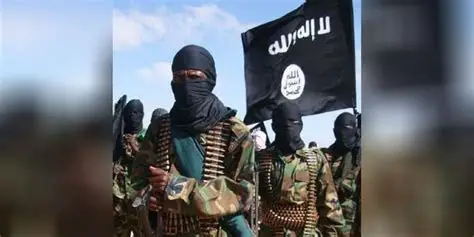


A new report by the International Crisis Group (ICG) has concluded that Somalia’s military campaign against Al-Shabaab has reached a renewed stalemate, warning that the conflict has entered a critical phase after the militant group regained influence in several areas previously recaptured by government forces.
The report states that while the Federal Government of Somalia achieved significant territorial gains during its large-scale military offensives between 2022 and 2023, Al-Shabaab has since re-established a presence in some of those areas, highlighting the group’s resilience and its continued ability to regroup despite sustained military pressure.
According to the ICG, Somali government forces continue to maintain strong defensive positions around Mogadishu and other key strategic towns. However, the report warns that growing military, political, and financial pressures are increasingly testing the government’s ability to sustain long-term security gains.
The report identifies several major obstacles undermining Somalia’s counterinsurgency efforts, including insufficient military training and force generation, political disputes between federal and regional leaders, limited coordination among security institutions, and declining international support for Somalia’s security sector and African Union operations.
The findings come amid growing uncertainty over the future of the African Union Support and Stabilization Mission in Somalia (AUSSOM) after the United States announced it would end support for the UN Support Office in Somalia (UNSOS) when AUSSOM’s mandate expires at the end of 2026.
Security analysts warn that reduced international logistical and financial support could further complicate military operations against Al-Shabaab.
The International Crisis Group urged the Somali government and its international partners to undertake a comprehensive strategic review of the country’s security policy, accelerate security sector reforms, strengthen coordination between federal and state security forces, and improve governance in areas recovered from Al-Shabaab to prevent the group from re-establishing control.
The report also argues that a purely military approach is unlikely to bring a lasting end to the conflict. It recommends that, over the longer term, Somalia consider exploring a political dialogue aimed at ending the insurgency, while acknowledging that any such process would be politically sensitive and require careful planning.
For nearly two decades, Al-Shabaab has remained one of the most significant security challenges facing Somalia, carrying out bombings, assassinations, and attacks against government institutions, security forces, civilians, and African Union troops despite repeated military offensives.
The ICG concludes that Somalia is at a pivotal moment, warning that without stronger political unity, sustained security reforms, and continued international engagement, the conflict risks becoming further protracted, potentially reversing gains made in recent years.