

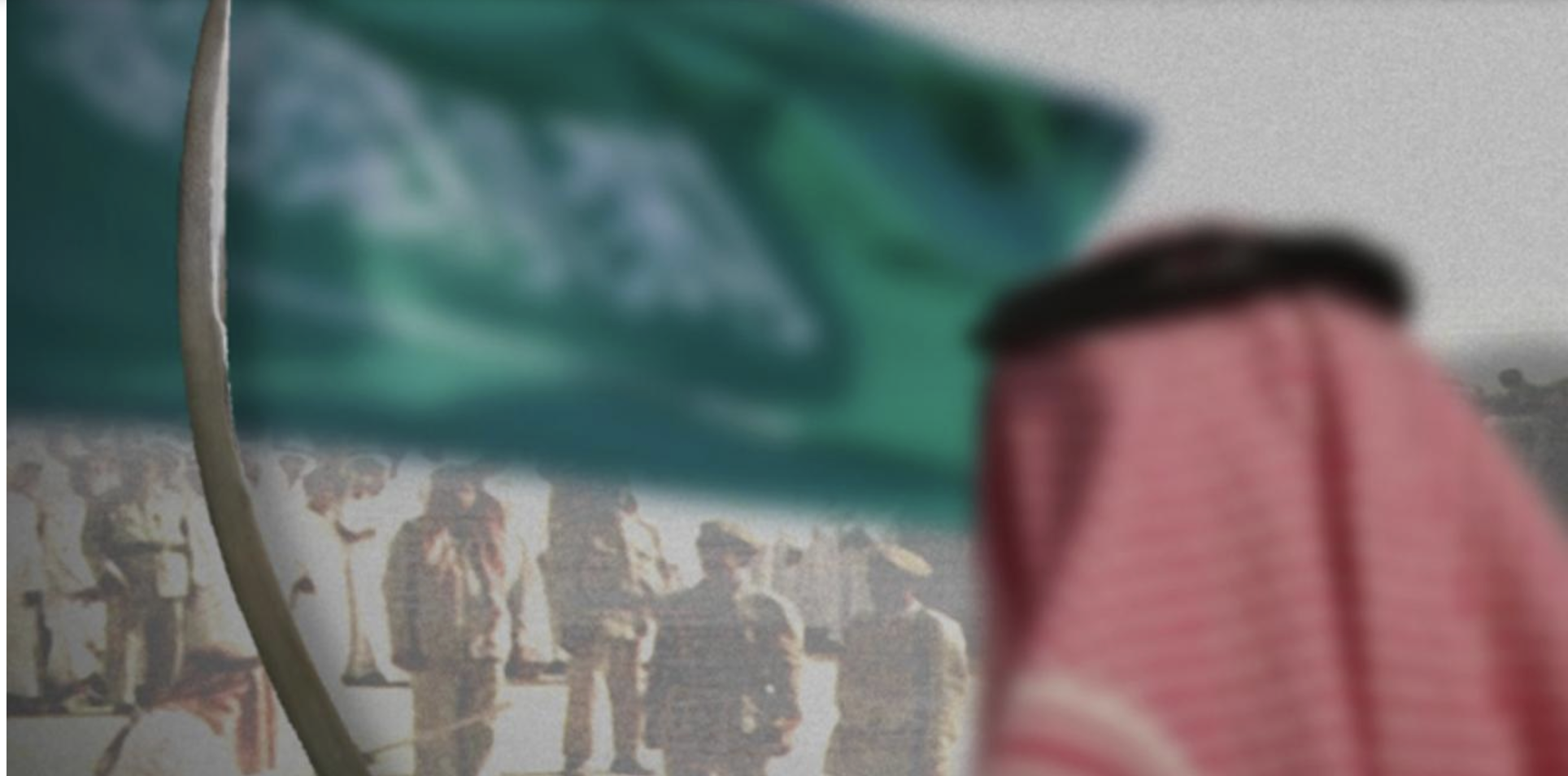

MOGADISHU (Kaab TV) – Dozens of Somali, Ethiopian, and Egyptian nationals among those facing death sentences for non-lethal drug offences amid execution surge.
Human rights organisations across Africa, Asia, and Europe have raised urgent concerns over the looming execution of hundreds of foreign nationals in Saudi Arabia, many of whom were convicted of non-lethal drug offences.
Among those at imminent risk are scores of Egyptian, Ethiopian, and Somali men, currently held in Saudi prisons under death sentences.
According to figures from the Saudi Press Agency, 98 people have already been executed for drug-related offences in 2025, marking a dramatic increase. Rights groups say many prisoners now live in “a state of terror,” with executions carried out without warning and amid serious due process violations.
In Najran Prison, in southwestern Saudi Arabia, at least 37 Ethiopian and 27 Somali nationals are on death row. So far this year, 19 Somalis and 7 Ethiopians have been executed, most on charges of “smuggling hashish.”
In June alone, 12 Somali men and 3 Ethiopian nationals were executed, with fears that more executions are imminent.
End extrajudicial executions
In Tabuk Prison, in the northwest, 26 Egyptian nationals are also on death row for drug-related crimes. At least three Egyptians have been executed this year, including Mahmoud Mohamed Khamis and Farhat Abu al-Saud, executed on May 24 and 25, respectively.
Other prisoners have reportedly been told they will be executed following the Eid al-Adha holiday, which ended on June 10. On that day, the UN Special Rapporteur on extrajudicial executions called on Saudi Arabia to halt the executions and end the death penalty for drug crimes, stating that violations of fair trial guarantees make such sentences “arbitrary and unlawful.”
Human rights organisations warn that many of those on death row may be victims of human trafficking, coerced or deceived into transporting drugs under threats or false promises. Yet most were denied a fair trial, with limited or no access to legal representation, consular assistance, or appeal processes.
Court documents and testimonies reviewed by rights groups point to systematic abuses, including torture during interrogations, reliance on forced confessions, and lack of legal transparency — all in violation of both Saudi law and international human rights standards, including the Universal Declaration of Human Rights and the Arab Charter on Human Rights.
Saudi authorities routinely withhold the bodies of executed prisoners and fail to notify families in advance, who often only learn of executions through the media.
The location of burial sites is typically not disclosed.
As of 17 June 2025, 154 executions have been reported this year, an 80% increase from the same period in 2024 — the year with the highest number of executions in Saudi Arabia (345). Of those executed this year, 69 were foreign nationals from 11 African and Asian countries, including Somalia (19), Pakistan (12), Ethiopia (7), and Egypt (3).
International law strictly limits the use of the death penalty to the “most serious crimes,” interpreted to mean crimes involving intentional killing. Drug offences do not meet this threshold. While Saudi Arabia observed a short-lived moratorium on drug-related executions from January 2021 to November 2022, it was never formally codified, and executions resumed at alarming rates.
Despite repeated promises from Crown Prince Mohammed bin Salman to reduce the use of the death penalty, including pledges made as recently as March 2022, Saudi Arabia remains among the world’s top executioners. Rights groups note that some executions are carried out in secret and not publicly reported — with 49 of the 196 executions in 2022 never formally announced by state media.
In response to the ongoing crisis, over 30 human rights organisations have issued a joint appeal urging Saudi authorities to:
- Immediately commute all death sentences for non-lethal offences;
- Establish an official moratorium on executions;
- And reform legislation to align with international human rights standards.
Signatory organisations include:
African Academy of Diplomacy (AAD), ALQST for Human Rights, Somali Journalists Syndicate (SJS), ECPM, Amnesty-associated national coalitions, DAWN, Reprieve, European Saudi Organisation for Human Rights (ESOHR), MENA Rights Group, Women’s Action for Human Rights (WAHR), among many others across Africa, the Middle East, and Europe.