


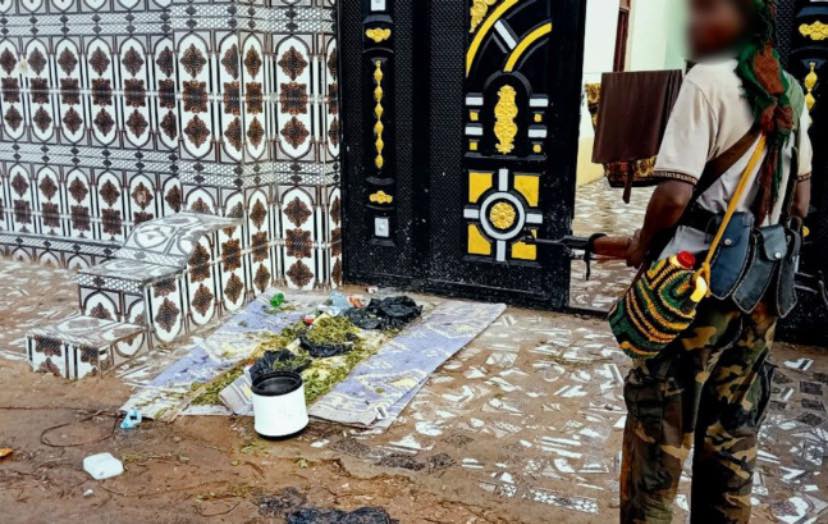


MOGADISHU (Kaab TV) – The Al-Shabaab militant group has made changes to blend in with local communities and has altered the way it interacts with Somali clans—especially those in the southern and central regions.
This change began after the military operations by the Federal Government of Somalia and Mawisleyda militias in the years 2022 and 2023 in the central regions.
Since the aftermath of those military operations, which have now ended in failure claiming the lives of many Somali soldiers, the leadership of the Al-Shabaab group has started a new plan to agree with most of the tribes that participated in the Mawisley operations.
Among the areas where Al-Shabaab carried out these agreements are the regions of Hiraan, Middle Shabelle and Galgaduud, which were at the center of the Mawisley uprising and operations in 2022 and 2023.
The expansion of Al-Shabaab in Mogadishu
The most important of the agreements reached by Al-Shabaab with the tribes is the one between the Hiran and Middle Shabelle clans in March 2025, in which Al-Shabaab allowed the elders of the communities to bail the people whom Al-Shabaab captured, and to sell weapons to the Mawisley militias on the side of the separatist government.
Al-Shabaab has also allowed the reopening of major regional roads in much of the country—including Bay, Bakool, Hiiraan, and Middle Shabelle—where the group had previously imposed strict movement restrictions on people and commercial goods entering or leaving many towns.

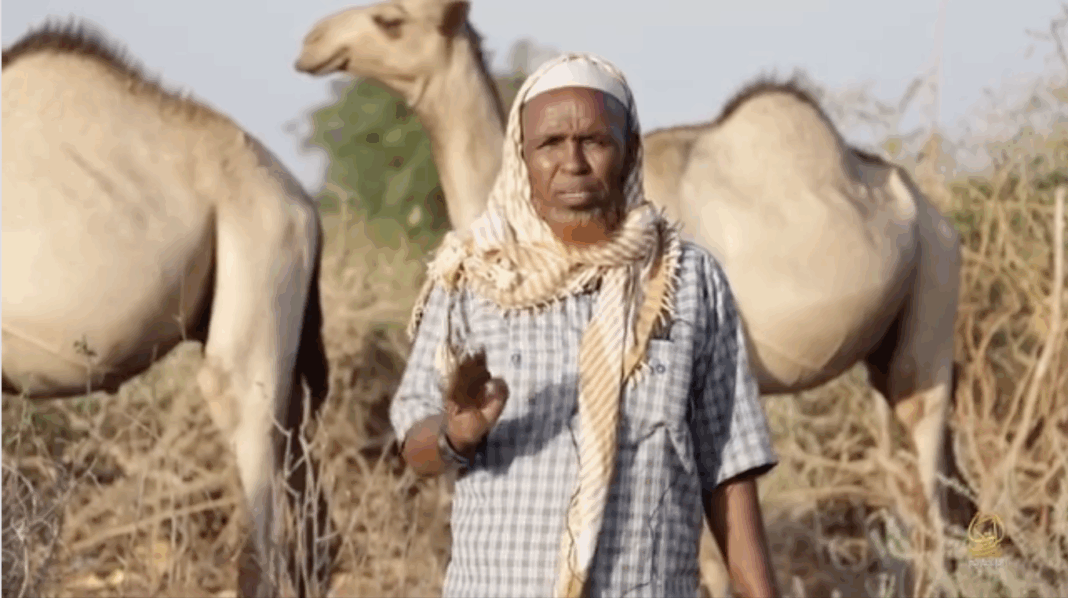
For example, the towns of Dinsoor, Hudur and Wajid, which have been blocked by Al-Shabaab for more than eight years, are now open for the transport of commercial goods, such as those leaving Baidoa.
In the areas of Middle Shabelle and Hiiraan under their control, Al-Shabaab has eased some of the harsh restrictions on residents, such as the ban on using mobile phones with internet access. They have also stopped shutting down telephone networks, a measure they previously put in place.
The group initiated these agreements with the clans after a series of coordinated attacks in which they seized weapons and military equipment from government forces. These operations resulted in significant losses for the government troops and the Macawisley militias supporting them.
All these measures enabled Al-Shabaab to approach Mogadishu from the four corners of the capital.

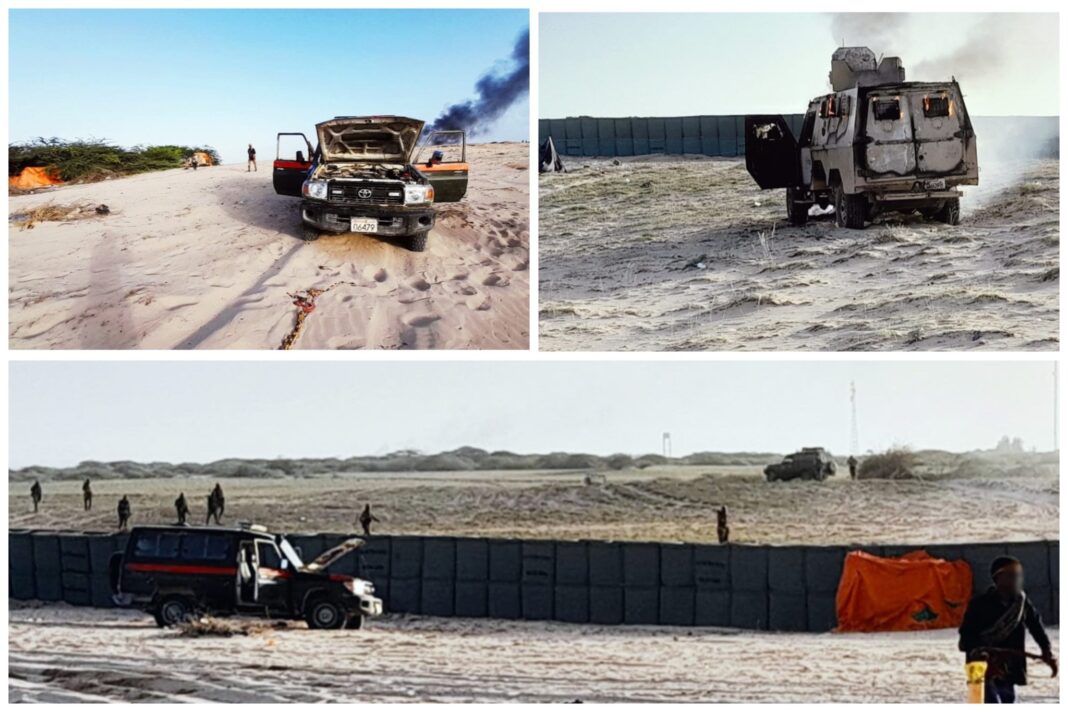
Along the coastal regions, Al-Shabaab took full control weeks ago of the area from Jilib Marko to Gendershe, which lies on the outskirts of Mogadishu along the coastline. They have also seized the outskirts of Afgooye and Bal’ad districts.
Security officials familiar with the situation told Kaab TV that the government currently maintains security over approximately a 200-mile perimeter around Mogadishu, while the territories beyond that are under Al-Shabaab’s control.
Al-Shabaab has also recently activated the court they established in Beerta Cali Mahdi, on the outskirts of Afgooye district, where hundreds of people leaving Mogadishu every week will be subjected to the group’s rulings.
Security in Mogadishu
There has been much discussion about how Al-Shabaab appears to allow relative security in Mogadishu. While the group previously carried out frequent attacks, recently there has been a noticeable decline in bombings and targeted killings in the capital.
The two attacks Al-Shabaab carried out in Mogadishu this year were: the attempted assassination of President Hassan Sheikh Mohamud near Villa Somalia on March 18, 2025, and the attack on Godka Jilicow prison on October 4, 2025.
Intelligence sources and security officials in Mogadishu agree that Al-Shabaab received assistance from insiders in both attacks. For example, of the eight militants involved in the NISA prison attack at Godka Jilicow, four were former Al-Shabaab defectors who had joined the National Intelligence and Security Agency (NISA).


It is not limited to that. Al-Shabaab has deeply infiltrated Mogadishu’s tribes, and government institutions such as security, district administrations, and important centers. The group has also reintroduced the collection of zakat from traders and markets in Mogadishu, which merchants now pay in exchange for security guarantees from Al-Shabaab.
All of these factors make it easier for Al-Shabaab to reduce or temporarily halt attacks in Mogadishu, which were mostly directed at government buildings and commercial areas. Security sources believe that now that the group has obtained the financial resources they wanted and wields influence over most government institutions, there is little reason for them to carry out large-scale attacks in the capital.
However, two important questions remain: Are Al-Shabaab preparing to gradually take over the entire government administration, and are they planning to position themselves to control the next government in Mogadishu?
The other question is how long the relative calm they are currently satisfied with in Mogadishu will last, given that it serves their interests.